
Overview & Design Features
The Haval GW4C20A engine is a prominent 2.0-liter turbocharged, direct-injection gasoline engine developed and manufactured by Great Wall Motor (GWM), a leading Chinese automotive conglomerate and parent company of the Haval brand. Introduced as part of GWM’s next-generation powertrain strategy, this engine quickly became a cornerstone for the brand’s performance-oriented SUVs and crossovers. Its displacement of 1967 cubic centimeters and inline four-cylinder configuration position it as a versatile and potent choice within its segment, marking a significant advancement in GWM’s internal combustion engine technology and contributing to Haval’s competitive edge in global markets.
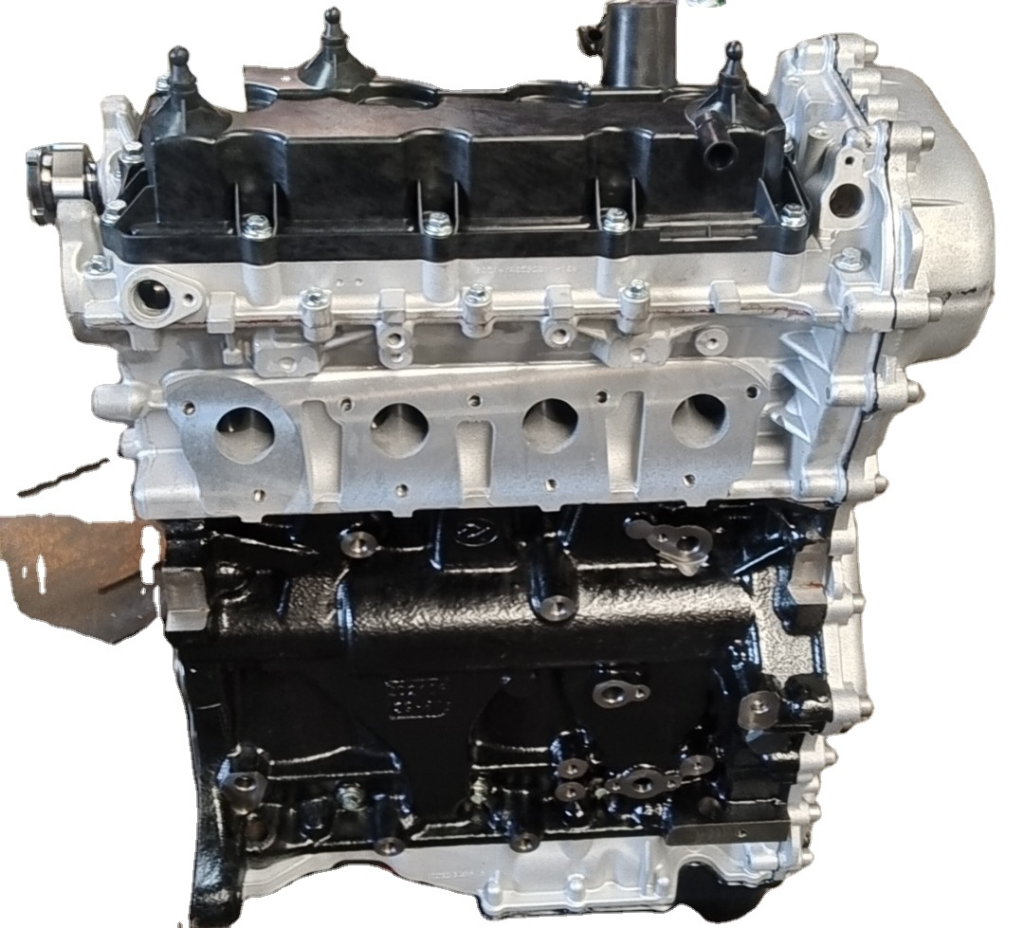
Engineered for efficiency and power delivery, the GW4C20A features an all-aluminum alloy construction for both its cylinder block and cylinder head, contributing to reduced weight and improved thermal management. Fuel delivery is handled by a sophisticated Gasoline Direct Injection (GDI) system, which precisely atomizes fuel directly into the combustion chambers for enhanced efficiency and power output. The valvetrain incorporates a Double Overhead Camshaft (DOHC) design with a chain drive, paired with Dual Variable Valve Timing (Dual VVT) on both intake and exhaust camshafts. This technology optimizes valve overlap and lift across the RPM range, improving torque delivery and fuel economy. Furthermore, the engine is equipped with a twin-scroll turbocharger, minimizing turbo lag and delivering a broad, flat torque curve.
The Haval GW4C20A engine has been extensively deployed across a wide array of Haval’s best-selling models, underscoring its versatility and reliability. Key vehicles featuring this powertrain include the Haval H6 (second and third generations), Haval H7, Haval H9 (select variants), Haval F7, and Haval F7x. It has also powered various models under GWM’s premium WEY brand, such as the WEY VV5 and VV7. Production years span from its introduction in the mid-2010s to current model lineups, with continuous refinements and power output variations implemented across different vehicle trims and market requirements.
Technical Specifications
| Displacement | 1967 cc |
| Max Power | 224 hp (165 kW) @ 5500 RPM |
| Max Torque | 345 Nm (35.2 kg*m) @ 2000-3200 RPM |
| Fuel Type | Gasoline (Petrol), RON 92 minimum recommended |
| Fuel Consumption | 8.0 – 9.5 l/100 km (combined cycle, vehicle dependent) |
| Engine Type | Inline 4-cylinder, DOHC, Turbocharged, GDI |
| Compression Ratio | 9.6:1 |
| Cylinder Bore | 82.0 mm |
| Piston Stroke | 92.0 mm |
| Valvetrain | DOHC, Chain-driven |
| Valves per Cylinder | 4 |
| Additional Info | Gasoline Direct Injection (GDI), Dual Variable Valve Timing (Dual VVT), Twin-scroll Turbocharger, Aluminum Alloy Block & Head |
Common Problems & Reliability
The Haval GW4C20A engine is generally regarded as a robust and reliable powerplant, benefiting from modern engineering and GWM’s continuous development. However, like many contemporary direct-injection turbocharged engines, it exhibits specific characteristics and potential weak points that informed owners should be aware of. One common issue for GDI engines is the accumulation of carbon deposits on the intake valves, which can lead to reduced airflow, decreased performance, and rough idling over time. This is because fuel is injected directly into the cylinder, bypassing the intake valves, thus preventing the washing action that port injection provides.
Another area of consideration is the turbocharger system. While designed for durability, consistent operation under high stress, especially with inadequate oil changes or aggressive driving without proper cool-down periods, can lead to premature wear of turbocharger bearings or seals. Early signs might include excessive oil consumption or noticeable turbo whine. The engine’s timing chain system is generally robust, but vigilance regarding proper oil viscosity and change intervals is crucial. Neglecting oil maintenance can accelerate chain wear, potentially leading to stretching or guide failures at very high mileages, manifesting as rattling noises from the front of the engine.
Under proper and diligent maintenance, including the use of manufacturer-specified lubricants and adherence to service schedules, the Haval GW4C20A engine can reliably achieve service lives exceeding 250,000 to 300,000 kilometers before requiring any major overhaul. Some units, particularly with meticulous care, have been known to surpass these figures.
Maintenance Tips & Service Schedule
To ensure the longevity and optimal performance of the Haval GW4C20A engine, adherence to a proactive maintenance regimen is essential. Regular oil and filter changes are paramount: synthetic engine oil with a viscosity grade such as 5W-30 or 5W-40, meeting API SN/SP or ACEA C3 specifications, should be replaced every 7,500 to 10,000 kilometers or every 6-12 months, whichever comes first. This is particularly critical for turbocharged direct-injection engines to mitigate carbon buildup and ensure proper turbocharger lubrication.
Spark plugs, typically iridium-tipped, require replacement approximately every 30,000 to 40,000 kilometers, depending on driving conditions and fuel quality, to maintain efficient combustion. The air filter should be inspected at every service and replaced every 20,000 to 30,000 kilometers to ensure clean airflow to the engine and turbocharger. Coolant flushes and replacements are recommended every 60,000 kilometers or every 3-4 years, using the manufacturer-specified long-life coolant. While the timing chain is designed for the engine’s lifespan, it should be inspected for excessive slack or noise at around 150,000 kilometers. For GDI engines, a preventative intake valve carbon cleaning service, often performed via walnut blasting or chemical cleaning, is advisable around 80,000 to 100,000 kilometers to prevent significant performance degradation.
Conclusion
The Haval GW4C20A engine represents a sophisticated and capable powertrain for its vehicle class, delivering a compelling blend of power, torque, and modern technology. For a used vehicle buyer, it presents a generally reliable choice, offering strong performance for daily driving and highway cruising. Its widespread adoption across numerous Haval and WEY models attests to its proven track record. Provided the vehicle has a documented history of consistent and proper maintenance, including adherence to recommended oil change intervals and the use of specified lubricants, the GW4C20A engine can provide many years of dependable service. Awareness of potential GDI-related carbon buildup and diligent turbocharger care are key factors in ensuring its long-term health, making it a sound investment for those seeking a modern, turbocharged SUV experience.