
Overview & Design Features
The Haval GW4C20 is a prominent turbocharged gasoline engine developed by Great Wall Motors (GWM), primarily for its Haval SUV brand and Wey luxury division. Introduced in the mid-2010s, this 2.0-liter (1967 cc) inline four-cylinder engine represents a significant engineering effort by GWM to offer competitive power and efficiency in the fiercely contested SUV market. It superseded earlier naturally aspirated and less sophisticated turbocharged units, marking a move towards more advanced powertrain solutions and contributing substantially to Haval’s market growth and reputation for robust, modern vehicles.
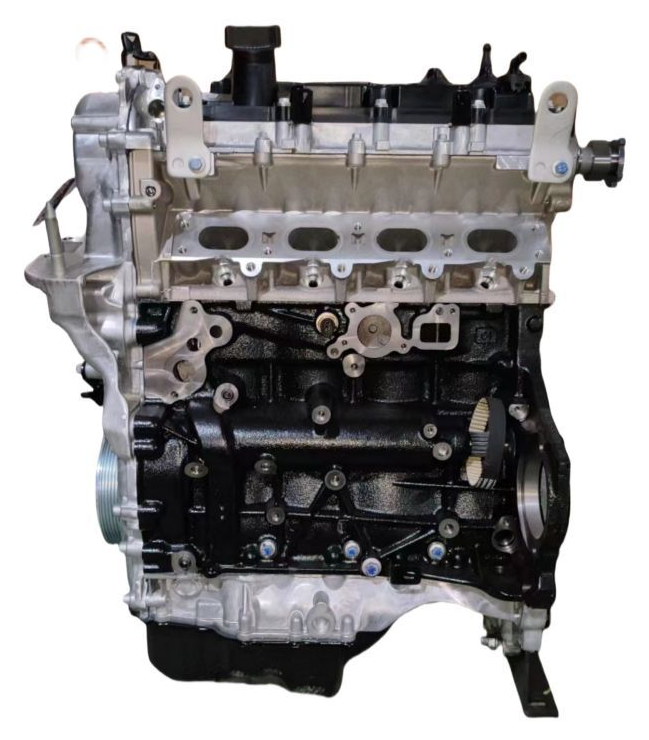
Engineered for contemporary performance and fuel economy, the GW4C20 features an all-aluminum alloy construction for both its cylinder block and cylinder head, contributing to reduced overall vehicle weight and improved thermal management. It incorporates sophisticated technologies such as direct fuel injection (GDI) for precise fuel delivery and optimal combustion efficiency. A key element of its design is the dual variable valve timing (DVVT) system on both intake and exhaust camshafts, which optimizes valve overlap and lift across the RPM range, enhancing both power output and fuel efficiency. Furthermore, a twin-scroll turbocharger minimizes turbo lag and provides a broad, flat torque curve, delivering responsive acceleration.
This engine has been widely deployed across a range of Haval and Wey models, becoming a cornerstone of their respective lineups. Notable applications include the Haval H6 Coupe (from 2015), Haval H7 (from 2016), Haval H8, Haval H9, and the newer Haval F7/F7x series. It also powered several Wey brand vehicles, such as the VV5 and VV7, showcasing its versatility and robust performance characteristics across different vehicle segments within the GWM umbrella, typically paired with automatic transmissions.
Technical Specifications
| Displacement | 1967 cc |
| Max Power | 197 hp (145 kW) @ 5200-5500 RPM |
| Max Torque | 315 Nm @ 2000-3600 RPM |
| Fuel Type | Gasoline (RON 92/95) |
| Fuel Consumption | 7.5-8.5 l/100 km (Combined) |
| Engine Type | Inline 4-cylinder, Turbocharged, Direct Injection (GDI) |
| Compression Ratio | 9.6:1 – 10:1 (Varies by tune) |
| Cylinder Bore | 82.5 mm |
| Piston Stroke | 92 mm |
| Valvetrain | DOHC, 16-valve with Dual Variable Valve Timing (DVVT) |
| Valves per Cylinder | 4 |
| Additional Info | Aluminum Block & Head, Twin-scroll Turbocharger, Intercooled |
Common Problems & Reliability
The Haval GW4C20 engine generally demonstrates commendable reliability within its class, attributed to its relatively modern design and manufacturing standards. However, like many direct-injection turbocharged engines, specific areas warrant attention over extended periods of ownership. One common concern reported at higher mileages involves the turbocharger system, specifically potential for wastegate actuator wear or minor oil seepage from turbo seals, which can manifest as reduced boost pressure or increased oil consumption. Another typical characteristic of GDI engines is the susceptibility to carbon buildup on the intake valves due to the absence of fuel washing over them; this can lead to reduced airflow, misfires, and decreased performance if not addressed proactively through appropriate cleaning methods. While less common, some isolated reports indicate issues with ignition coil packs failing prematurely, typically presenting as engine hesitation or rough idling. With diligent maintenance and adherence to service schedules, the GW4C20 engine can realistically achieve a service life exceeding 250,000 kilometers (approximately 155,000 miles) before requiring significant internal overhauls.
Maintenance Tips & Service Schedule
Optimal longevity and performance from the Haval GW4C20 engine rely heavily on strict adherence to a comprehensive maintenance schedule. Regular engine oil and filter changes are paramount; it is recommended to use fully synthetic engine oil, specifically 5W-30 or 5W-40, meeting API SN/SP or ACEA A3/B4 standards, every 7,500 to 10,000 kilometers or annually, whichever comes first. Given its direct injection nature, periodic checks for carbon buildup on the intake valves are advised, potentially requiring walnut blasting services around 80,000 to 100,000 kilometers, depending on driving conditions and fuel quality. Spark plugs should be replaced every 40,000 to 60,000 kilometers to maintain efficient combustion. The engine utilizes a timing chain system, generally designed for the life of the engine, but an inspection for excessive stretch or noise is prudent around 150,000 kilometers. Coolant flushes are recommended every 3-5 years or 60,000-100,000 kilometers using manufacturer-approved long-life coolant. Air and fuel filters should be inspected and replaced as per manufacturer guidelines or more frequently in dusty environments to ensure proper engine breathing and fuel purity.
Conclusion
The Haval GW4C20 engine presents itself as a competitive and generally reliable powertrain choice for used Haval and Wey vehicles. Its modern engineering, encompassing direct injection and dual variable valve timing, offers a commendable blend of power and efficiency for its class. While specific issues like potential turbocharger wear and carbon buildup are common to contemporary GDI engines, these are largely mitigated through diligent and proactive maintenance. For a used car buyer, a GW4C20 unit with a comprehensive service history represents a safe and economical acquisition, promising robust performance and satisfactory longevity.