
Overview & Design Features
The IVECO F2CE0681B engine is a prominent variant within the F1C family of diesel powerplants, engineered by IVECO, a global leader in commercial vehicles. This 3.0-liter (2998 cc) inline four-cylinder, turbocharged diesel engine is specifically designed for demanding commercial applications, prioritizing durability, fuel efficiency, and substantial torque output. Introduced as part of Euro 4, 5, and later Euro 6 compliant generations, it represents a cornerstone of IVECO’s commitment to robust and adaptable powertrains for light commercial vehicles and heavy-duty vans, establishing a reputation for reliable performance in various operational environments.
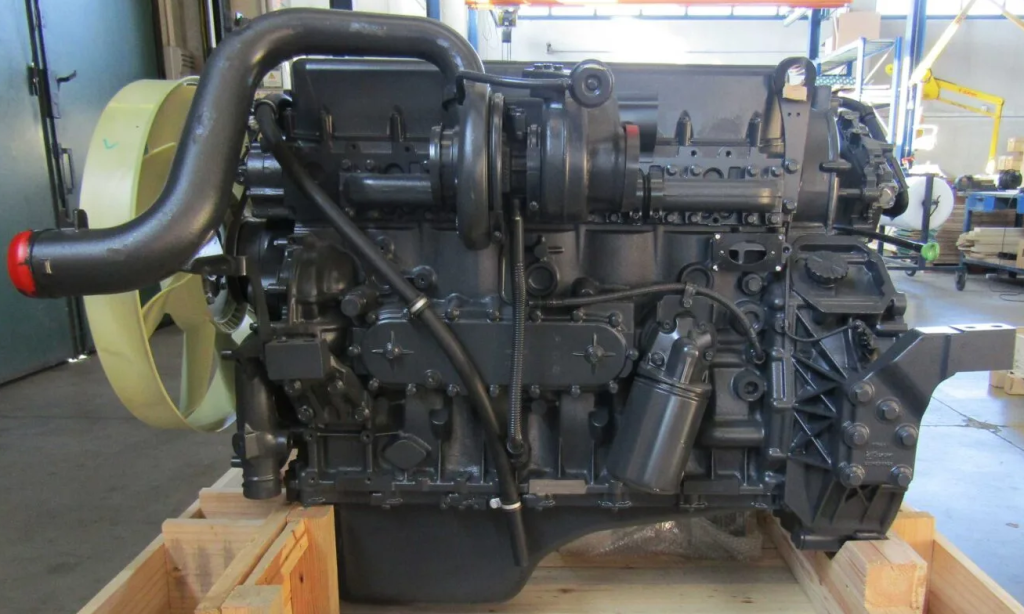
Engineering features of the F2CE0681B underscore its commercial lineage. It utilizes a robust cast iron cylinder block, providing excellent structural rigidity and heat dissipation, complemented by an aluminum alloy cylinder head for optimized weight distribution and thermal management. Fuel delivery is managed by a sophisticated Bosch Common Rail direct injection system, allowing for precise fuel atomization and combustion control across the rev range. This system is typically paired with a variable geometry turbocharger (VGT) in higher output versions, enhancing responsiveness and torque delivery. The valvetrain consists of a Double Overhead Camshaft (DOHC) configuration with four valves per cylinder, ensuring efficient gas flow for optimal power and emissions control. Later iterations incorporate advanced emissions technologies such as Exhaust Gas Recirculation (EGR) and Diesel Particulate Filters (DPF) to meet stringent environmental regulations.
The IVECO F2CE0681B engine has been widely deployed across several key commercial vehicle platforms. Its primary application is found in the IVECO Daily van and chassis cab series, specifically within the 3.5 to 7.2-ton gross vehicle weight ranges, from approximately 2006 onwards through current generations. This engine also powered specific heavy-duty variants of the Fiat Ducato, particularly those requiring enhanced towing capacity and payload performance. Additionally, the F2CE0681B, or closely related F1C variants, has been utilized in various other commercial applications, including motorhomes, light trucks, and specialized utility vehicles where its combination of power and longevity is advantageous.
Technical Specifications
| Displacement | 2998 cc (3.0 L) |
| Max Power | 170 hp (125 kW) @ 3500 RPM (Typical mid-range variant) |
| Max Torque | 400 Nm (40.8 kg*m) @ 1400-3000 RPM (Typical mid-range variant) |
| Fuel Type | Diesel |
| Fuel Consumption | 9.0 – 11.0 l/100 km (Combined, highly load-dependent) |
| Engine Type | Inline 4-Cylinder, Turbocharged Diesel, Common Rail Direct Injection |
| Compression Ratio | 16.5:1 – 17.5:1 |
| Cylinder Bore | 95.8 mm |
| Piston Stroke | 104 mm |
| Valvetrain | DOHC (Double Overhead Camshaft) |
| Valves per Cylinder | 4 |
| Additional Info | Common Rail Direct Injection, Variable Geometry Turbocharger (on higher output variants), Intercooler, Exhaust Gas Recirculation (EGR), Diesel Particulate Filter (DPF) (Euro 5/6 versions). |
Common Problems & Reliability
- EGR Valve and Cooler Issues: Like many modern diesel engines, the F2CE0681B is susceptible to carbon buildup in its Exhaust Gas Recirculation (EGR) valve and cooler. This accumulation can lead to restricted flow, sticking valves, and ultimately, component failure, manifesting as engine warning lights, reduced performance, and increased emissions. Regular inspection and cleaning can mitigate these issues.
- Diesel Particulate Filter (DPF) Clogging: Vehicles predominantly used for short trips or urban driving may experience premature DPF clogging. The DPF requires sufficient exhaust temperatures to complete regeneration cycles. Failure to complete these cycles leads to DPF saturation, triggering warning lights, power limitations, and potentially costly replacement if not addressed through forced regeneration or specialized cleaning.
- Fuel Injector Wear: While generally robust, the high-pressure Common Rail direct injection system’s injectors can eventually wear over very high mileages (typically beyond 300,000 km). This wear can lead to poor fuel atomization, increased smoke, reduced fuel economy, and potential misfires. Diagnosis usually involves leak-off tests and professional scanning equipment.
- Turbocharger Actuator Faults: Higher output variants utilizing variable geometry turbochargers (VGT) can sometimes develop issues with the electronic actuator controlling the VGT vanes. This can result in inconsistent boost pressure, leading to a lack of power or “limp home” mode activation. The turbocharger itself is generally reliable but relies on consistent oil supply and quality.
Under proper and diligent maintenance, the IVECO F2CE0681B engine is engineered for longevity. It is realistically expected to achieve a service life exceeding 500,000 kilometers before requiring major internal overhaul, with many examples surpassing this figure in commercial operations.
Maintenance Tips & Service Schedule
- Engine Oil and Filter: Regular oil changes are paramount. Utilize a high-quality, synthetic low-SAPS (Sulphated Ash, Phosphorus, Sulphur) engine oil meeting ACEA C3 or C4 specifications, typically 5W-30 or 5W-40, as specified by IVECO. Intervals typically range from 20,000 to 40,000 km or annually, whichever occurs first, depending on vehicle usage and manufacturer recommendations. For heavy-duty operation, shorter intervals are advisable.
- Fuel Filter: The high-pressure Common Rail system demands exceptionally clean fuel. Replace the fuel filter every 40,000 to 60,000 km to protect the injectors and high-pressure pump from contamination.
- Air Filter: Ensure proper engine breathing and prevent particulate ingress by replacing the air filter every 40,000 to 60,000 km, or more frequently if operating in dusty environments.
- Timing Chain: This engine employs a robust timing chain system, designed for the life of the engine. Routine replacement is not typically part of the service schedule, but inspection for noise or excessive slack is recommended at higher mileages (e.g., beyond 250,000 km).
- Coolant Flush: Perform a coolant flush and refill with the manufacturer-specified long-life coolant every 5 years or 100,000 to 150,000 km to maintain optimal cooling system performance and corrosion protection.
- DPF Maintenance: For vehicles with a Diesel Particulate Filter, ensure regular driving cycles include periods of sustained highway speeds to allow for passive regeneration. Avoid excessive idling and ensure the engine reaches operating temperature consistently. Monitor DPF warning lights promptly.
Conclusion
The IVECO F2CE0681B engine stands as a testament to robust commercial vehicle engineering. Its design prioritizes durability and torque, making it a highly capable and reliable powerplant for demanding applications. For a used vehicle buyer, this engine generally represents a safe and dependable choice, provided its maintenance history is transparent and comprehensive. While modern emissions systems (EGR, DPF) can introduce specific high-mileage maintenance considerations, consistent adherence to manufacturer-recommended service schedules and proactive addressing of minor issues will ensure a long and productive operational life. Its proven track record in the IVECO Daily and other commercial vehicles affirms its status as a workhorse engine.