
Overview & Design Features
The IVECO F1C is a highly regarded inline four-cylinder, 3.0-liter (2998 cc) turbocharged common rail direct injection diesel engine developed by IVECO. Primarily recognized for its robust construction and high torque output, the F1C engine has been a cornerstone in the light commercial vehicle (LCV) segment, serving a wide array of demanding applications. Its engineering prioritizes durability, fuel efficiency, and performance under heavy loads, establishing it as a significant powertrain choice for commercial transport.
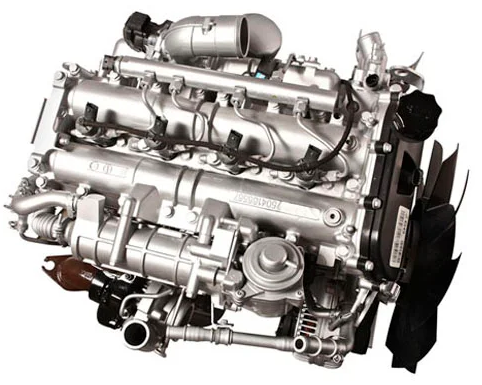
At its core, the F1C engine features a durable cast iron cylinder block, renowned for its strength and longevity, paired with an aluminum cylinder head to optimize weight distribution and heat dissipation. The valvetrain utilizes a Double Overhead Camshaft (DOHC) configuration with four valves per cylinder, totaling 16 valves, ensuring efficient gas flow for optimal combustion. Fuel delivery is managed by an advanced common rail direct injection system, providing precise fuel atomization and control, which contributes to its commendable fuel economy and reduced emissions. Most variants are equipped with a Variable Geometry Turbocharger (VGT) and an intercooler, enhancing power delivery across the RPM range and improving engine efficiency.
The IVECO F1C engine has been widely deployed across several generations of the IVECO Daily light commercial vehicle, starting from Euro 4 emission standards and continuing through Euro 5 and Euro 6 variants. It has also powered specific heavy-duty versions of the Fiat Ducato and found applications in other global commercial vehicles, including some Fuso Canter models and Mahindra Genio pickups, showcasing its versatility and reliability across different automotive brands and markets.
Technical Specifications
| Displacement | 2998 cc |
| Max Power | 170 hp (125 kW) @ 3500 RPM (Typical Euro 5/6 variant) |
| Max Torque | 400 Nm @ 1500-2750 RPM (Typical Euro 5/6 variant) |
| Fuel Type | Diesel |
| Fuel Consumption | 8-12 l/100 km (Highly variable based on vehicle, load, and driving conditions) |
| Engine Type | Inline 4-cylinder, Turbocharged, Common Rail Direct Injection Diesel |
| Compression Ratio | 16.5:1 |
| Cylinder Bore | 95.8 mm |
| Piston Stroke | 104 mm |
| Valvetrain | DOHC, Chain-driven |
| Valves per Cylinder | 4 (16 total) |
| Additional Info | Variable Geometry Turbocharger (VGT), Intercooler, EGR, DPF (Euro 4+ variants) |
Common Problems & Reliability
The IVECO F1C engine is generally regarded as highly reliable and durable, especially when subjected to regular maintenance. However, certain issues can arise, particularly in vehicles with high mileage or those operating under adverse conditions. One common concern involves the Exhaust Gas Recirculation (EGR) valve, which can accumulate carbon deposits, leading to reduced performance, increased emissions, and fault codes. Similarly, the Diesel Particulate Filter (DPF), present in Euro 4 and later variants, is susceptible to clogging, particularly if the vehicle is primarily used for short trips that do not allow for complete regeneration cycles. At very high mileages, wear to fuel injectors can occur, leading to poor fuel atomization, reduced efficiency, and potential misfires. The timing chain mechanism is robust but, like all components, can experience wear or stretch over extremely high mileage, potentially requiring inspection or replacement. With proper and consistent maintenance, an IVECO F1C engine can reliably exceed 400,000 kilometers before requiring any major overhaul.
Maintenance Tips & Service Schedule
Maintaining the IVECO F1C engine proactively is crucial for maximizing its lifespan and ensuring optimal performance. Regular oil changes are paramount, typically recommended every 15,000 to 20,000 kilometers or once a year, whichever comes first. The use of high-quality synthetic engine oil, specifically formulated to ACEA C3 or C4 standards (e.g., 5W-30 or 5W-40), is essential for protecting the turbocharger and DPF. The fuel filter should be replaced every 30,000 to 40,000 kilometers to prevent contamination of the common rail system. Air filter replacement is also recommended at similar intervals to ensure proper air intake and combustion efficiency. Coolant flushes are advised every 3 to 5 years or 60,000 to 100,000 kilometers to maintain cooling system effectiveness and prevent corrosion. While the timing chain is designed for the engine’s lifetime, an inspection by a qualified technician is advisable at mileage exceeding 250,000 kilometers, especially if unusual noises are present.
Conclusion
The IVECO F1C engine stands out as a robust, high-torque, and highly dependable diesel powerplant. Its proven track record in demanding commercial applications attests to its durability and longevity. For a used vehicle buyer prioritizing reliability, pulling power, and a long service life, the F1C engine is generally a very safe and reliable choice, provided there is a verifiable history of consistent and proper maintenance. Its common issues are typically manageable with proactive servicing, making it a sound investment for those needing a workhorse engine.