
Overview & Design Features
The IVECO FPT NEF N67 450 Diesel Marine engine represents a pinnacle of marine propulsion engineering from FPT Industrial, a brand of Iveco Group. Part of the New Engine Family (NEF) series, this 6.7-liter inline-six-cylinder turbocharged diesel engine is specifically engineered for demanding marine applications, ranging from pleasure craft and yachting to light commercial vessels. Known for its robust construction, high power density, and fuel efficiency, the N67 450 has established a strong reputation for reliability and performance in arduous operational environments.
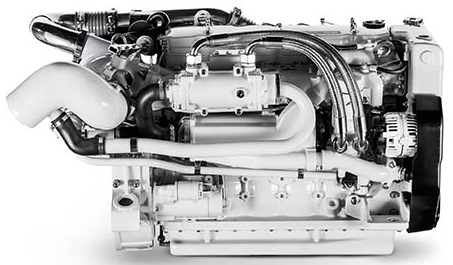
At its core, the N67 450 features a high-strength cast iron cylinder block and a durable cast iron cylinder head, designed to withstand the immense pressures and temperatures inherent in modern diesel combustion. Fuel delivery is managed by a sophisticated Common Rail direct injection system, operating at high pressures to optimize atomization and combustion efficiency, thereby enhancing power output and reducing emissions. The valvetrain typically employs an overhead camshaft (SOHC or DOHC depending on specific variant) operating four valves per cylinder, which facilitates excellent gas flow for improved volumetric efficiency. Forced induction is provided by a wastegate-controlled turbocharger paired with an intercooler, ensuring a consistent supply of dense, cool air for optimal performance across the engine’s operational range.
This specific iteration of the NEF N67 is primarily deployed in various marine vessel types where reliable, high-output diesel power is essential. Applications include planing and semi-planing recreational yachts, fishing boats, patrol vessels, and other light-duty commercial craft requiring continuous and dependable power delivery. Its compact design for a 6.7-liter engine also makes it a favored choice for re-powering existing hulls or for new builds where space constraints are a consideration. Production of the NEF N67 marine series, including the 450 hp variant, has been ongoing for many years, evolving with emission regulations and technological advancements.
Technical Specifications
| Displacement (cc) | 6728 |
| Max Power (hp (kW) @ RPM) | 450 (331) @ 3000 |
| Max Torque (Nm (kg*m) @ RPM) | 1280 (130.5) @ 1800 |
| Fuel Type | Diesel |
| Fuel Consumption (l/100 km) | Refer to manufacturer’s technical documentation (highly dependent on vessel type and load profile) |
| Engine Type | Inline 6-cylinder, Turbocharged, Intercooled Diesel |
| Compression Ratio | 17.0:1 |
| Cylinder Bore (mm) | 104 |
| Piston Stroke (mm) | 132 |
| Valvetrain | SOHC, 4 valves per cylinder |
| Valves per Cylinder | 4 |
| Additional Info | Common Rail Direct Injection, Wastegate Turbocharger |
Common Problems & Reliability
- Fuel System Components: High-pressure common rail systems are sensitive to fuel quality. Contaminated or poor-quality diesel can lead to premature wear or failure of fuel injectors, the high-pressure fuel pump, and fuel filtration components. Symptoms often include rough running, reduced power, or difficulty starting.
- Turbocharger Issues: While generally robust, the turbocharger can experience issues over prolonged periods, particularly if exhaust gas temperatures are consistently high or oil supply is compromised. Bearing wear, wastegate actuator failures, or impeller damage can lead to a noticeable loss of power, excessive smoke, or unusual noises.
- Cooling System Degradation: Marine environments, especially saltwater, present unique challenges for cooling systems. Corrosion of heat exchangers, blockages in raw water intakes, or degradation of impeller pumps can lead to overheating. Regular inspection and maintenance of zinc anodes are critical to mitigating galvanic corrosion.
Under proper care and adherence to recommended service schedules, the IVECO FPT NEF N67 450 Diesel Marine engine is designed for extensive operational hours. A realistic expected service life before requiring a major overhaul, such as ring replacement or bearing service, typically exceeds 10,000 to 15,000 hours in pleasure craft applications, and potentially more in lighter commercial duties, assuming diligent preventative maintenance and proper operation.
Maintenance Tips & Service Schedule
Optimal performance and longevity of the NEF N67 450 Diesel Marine engine rely on strict adherence to a comprehensive maintenance schedule:
- Engine Oil and Filter: Engine oil should be changed every 200-250 operating hours or annually, whichever comes first. Use a high-quality diesel engine oil conforming to API CI-4/CJ-4 or ACEA E7/E9 specifications, with a viscosity such as 15W-40, suitable for marine diesel applications. The oil filter must be replaced with each oil change.
- Fuel Filters: Replace primary and secondary fuel filters every 200-250 operating hours or annually. Regular draining of any water separators is also critical to prevent fuel system contamination.
- Air Filter: Inspect the air filter element every 250 hours and replace as necessary, or annually. In dusty or high-humidity environments, more frequent checks and replacements may be required.
- Cooling System: The raw water impeller should be inspected and typically replaced every 250-500 hours or every 1-2 years to prevent overheating. The freshwater coolant should be flushed and replaced every 2-4 years using a long-life coolant specifically designed for diesel engines. Inspect and replace zinc anodes in the heat exchanger and raw water system annually or more frequently if depleted.
- Valve Lash: Inspect and adjust valve lash every 1000-1500 operating hours. This procedure ensures proper valve operation and engine efficiency.
- Timing Belt/Gear: The NEF N67 typically uses a gear-driven timing system, eliminating the need for timing belt replacements. However, ancillary drive belts (alternator, seawater pump) should be inspected for wear and tension every 250 hours and replaced as needed, generally every 1000 hours or 5 years.
Conclusion
The IVECO FPT NEF N67 450 Diesel Marine engine stands as a highly capable and reliable power plant for a wide array of marine vessels. Its robust engineering, combined with advanced fuel injection and turbocharging, delivers impressive power and torque outputs while maintaining good fuel efficiency. For a used vessel buyer, this engine generally represents a safe and dependable choice, provided that a verifiable service history is available and regular, diligent maintenance has been performed. Potential buyers should prioritize pre-purchase inspections by qualified marine technicians to assess the health of the engine, particularly the fuel and cooling systems, ensuring many more hours of reliable operation.