
Overview & Design Features
The IVECO F2CE9684C is a prominent variant within IVECO’s F2C series of diesel engines, primarily engineered for demanding commercial applications. Manufactured by IVECO, a global leader in commercial vehicles, this engine boasts a displacement of 2998 cubic centimeters (3.0 liters). It is characterized by an inline four-cylinder configuration, delivering robust power and torque specifically tailored for light commercial vehicles, vans, and chassis cabs where reliability and efficiency are paramount. The F2CE9684C has earned a reputation for its durable construction and suitability for high-mileage operation, making it a cornerstone in its segment since its introduction.
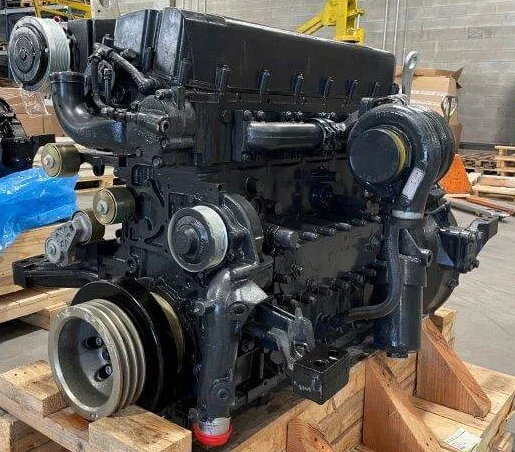
At its core, the F2CE9684C engine features a robust cast-iron cylinder block and an aluminum alloy cylinder head, a combination chosen for optimal thermal management and structural integrity under heavy loads. Fuel delivery is managed by a sophisticated Common Rail direct injection system, ensuring precise fuel atomization and combustion efficiency across varying operating conditions. This is complemented by a variable geometry turbocharger (VGT), which enhances throttle response and broadens the engine’s power band, particularly at lower RPMs. The valvetrain employs a Double Overhead Camshaft (DOHC) design with four valves per cylinder, optimizing airflow for both intake and exhaust cycles and contributing to the engine’s overall performance and emissions compliance.
The IVECO F2CE9684C engine was extensively deployed across various models of the IVECO Daily line. It has been a primary power unit for the Daily 3.0L variants, specifically in Euro 5 and Euro 6 compliant generations. Common applications include the IVECO Daily van (35S, 50C, 70C series), chassis cab, and crew cab configurations, across different gross vehicle weight ratings. Its versatility has also seen it adopted in certain motorhome chassis derivatives based on the Daily platform, leveraging its ample torque and durability for sustained heavy-duty use over long distances.
Technical Specifications
| Specification | Value |
|---|---|
| Displacement (cc) | 2998 |
| Max Power (hp (kW) @ RPM) | 180 (132) @ 3500 |
| Max Torque (Nm (kg*m) @ RPM) | 430 (43.8) @ 1500 |
| Fuel Type | Diesel |
| Fuel Consumption (l/100 km) | 10.2 (combined cycle, indicative) |
| Engine Type | Inline 4-cylinder, DOHC, Turbocharged Common Rail Diesel |
| Compression Ratio | 16.5:1 |
| Cylinder Bore (mm) | 95.8 |
| Piston Stroke (mm) | 104 |
| Valvetrain | DOHC |
| Valves per Cylinder | 4 (16 total) |
| Additional Info | Common Rail Direct Injection, Variable Geometry Turbocharger (VGT), EGR, SCR with AdBlue for Euro 5/6 compliance, Diesel Particulate Filter (DPF) |
Common Problems & Reliability
The IVECO F2CE9684C is generally regarded as a robust and reliable engine, built for the rigors of commercial use. However, like any complex modern diesel, it is susceptible to certain issues, particularly at higher mileages or when maintenance is neglected. A common concern revolves around the Exhaust Gas Recirculation (EGR) valve and cooler system. Carbon buildup within these components can lead to reduced efficiency, error codes, and in some cases, coolant leaks from a degraded EGR cooler. Regular cleaning or replacement of the EGR system components can mitigate these problems.
Another area requiring attention, especially in vehicles used for short-trip urban driving, is the Diesel Particulate Filter (DPF). Frequent incomplete regeneration cycles can lead to DPF clogging, resulting in reduced engine performance, increased fuel consumption, and costly replacement if not addressed through forced regeneration or specialized cleaning. Injector wear and potential failure, while not exceptionally common, can occur at very high mileages or due to persistent use of low-quality fuel. Symptoms include rough idling, misfires, or black smoke.
Under proper and diligent maintenance, the IVECO F2CE9684C engine has a realistic expected service life exceeding 300,000 to 500,000 kilometers before requiring a major overhaul. Instances of engines reaching significantly higher mileages are not uncommon in fleets with strict maintenance regimes.
Maintenance Tips & Service Schedule
Proactive maintenance is crucial for maximizing the longevity and reliability of the IVECO F2CE9684C. Engine oil and filter changes are paramount: use a manufacturer-approved full synthetic oil with a viscosity typically specified as 5W-30 or 5W-40, meeting ACEA E6 or E9 standards, at intervals of 20,000 to 40,000 kilometers or annually, whichever comes first, depending on operating conditions and manufacturer recommendations. The fuel filter is vital for protecting the high-pressure Common Rail injection system and should be replaced every 40,000 to 60,000 kilometers.
Air filter replacement intervals typically align with fuel filter changes, or more frequently in dusty environments. The coolant should be a long-life, silicate-free type, flushed and replaced every 5 years or 250,000 kilometers. The F2CE9684C utilizes a timing chain system, which is designed for the life of the engine; however, periodic inspection for excessive slack or noise is recommended at intervals beyond 200,000 kilometers. The AdBlue (DEF) system requires regular top-ups and occasional diagnostic checks to ensure proper operation for emission control. For DPF-equipped vehicles, ensuring the engine reaches operating temperature and maintaining sufficient highway driving allows for active regeneration cycles, preventing premature clogging.
Conclusion
The IVECO F2CE9684C stands as a highly competent and reliable power unit within the commercial vehicle segment. Its robust design, advanced fuel injection, and turbocharging technology ensure strong performance and decent fuel efficiency for its class. For a used vehicle buyer, an IVECO Daily equipped with the F2CE9684C can be a safe and sound choice, provided a comprehensive service history is available, demonstrating adherence to the manufacturer’s stringent maintenance schedule. Diligent preventative maintenance, especially regarding the EGR, DPF, and fuel system components, will largely determine its long-term reliability and economic viability. With proper care, this engine is capable of delivering many hundreds of thousands of kilometers of dependable service.