
Overview & Design Features
The IVECO F1A engine represents a cornerstone in the light commercial vehicle (LCV) segment, engineered by the Italian automotive manufacturer IVECO. Primarily recognized for its robust design and suitability for demanding commercial applications, the F1A is an inline four-cylinder, turbocharged diesel engine. Its most common iteration features a displacement of 2.3 liters (2287 cc), designed to deliver a balance of power, fuel efficiency, and durability crucial for fleet operations and heavy-duty use. Introduced as part of IVECO’s F1 engine family, it quickly became a workhorse, powering a wide range of vehicles across Europe and beyond.
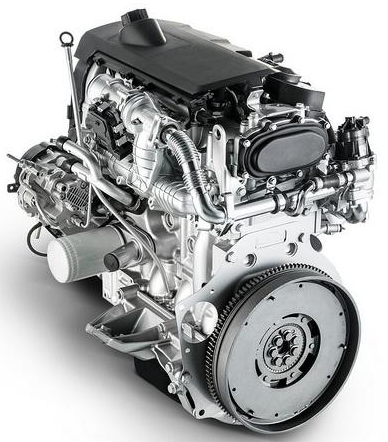
From an engineering perspective, the F1A engine incorporates a cast-iron cylinder block for structural rigidity and longevity, paired with an aluminum alloy cylinder head to optimize weight and heat dissipation. Fuel delivery is managed by a sophisticated common rail direct injection (CRDI) system, which allows for precise fuel atomization and combustion control, contributing to improved fuel economy and reduced emissions. The engine employs a double overhead camshaft (DOHC) valvetrain configuration, operating four valves per cylinder (16 valves total), enhancing volumetric efficiency. Forced induction is provided by a variable geometry turbocharger (VGT) or a fixed geometry turbocharger (FGT) depending on the specific variant and power output, further boosting torque and power delivery across the RPM range.
The IVECO F1A engine has been extensively deployed across various vehicle platforms due to its versatility and reliability. Its primary application is found in the IVECO Daily light commercial vehicle, spanning multiple generations and numerous trim levels, including vans, chassis cabs, and minibuses. Beyond the IVECO brand, this engine has also powered models under other manufacturers, most notably in the Fiat Ducato and its rebadged counterparts like the Peugeot Boxer and Citroën Jumper, particularly in Euro 5 and Euro 6 compliant versions. Production years for models featuring the F1A engine typically range from the mid-2000s onwards, continuing its service into contemporary vehicle lineups.
Technical Specifications
| Displacement (cc) | 2287 |
| Max Power (hp (kW) @ RPM) | 116-176 hp (85-130 kW) @ 3500-3600 RPM (varies by variant) |
| Max Torque (Nm (kg*m) @ RPM) | 320-470 Nm (32.6-47.9 kg*m) @ 1500-3000 RPM (varies by variant) |
| Fuel Type | Diesel |
| Fuel Consumption (l/100 km) | 7.5-10.5 (combined, varies by vehicle and load) |
| Engine Type | Inline-4, Turbocharged Diesel |
| Compression Ratio | 16.2:1 – 16.5:1 |
| Cylinder Bore (mm) | 88.0 |
| Piston Stroke (mm) | 94.0 |
| Valvetrain | DOHC |
| Valves per Cylinder | 4 |
| Additional Info | Common Rail Direct Injection, Variable Geometry Turbocharger (on most variants) |
Common Problems & Reliability
The IVECO F1A engine is generally regarded as a robust unit, but like all engines, it exhibits specific wear characteristics and potential failure points over extended use. One common issue reported involves the EGR (Exhaust Gas Recirculation) valve and cooler, which can become clogged with carbon deposits, leading to reduced engine performance, increased emissions, and illuminated warning lights. This is often exacerbated by frequent short trips or prolonged idling. Another area of concern can be the turbocharger, particularly on higher mileage units, where wear to bearings or actuator mechanisms can lead to a loss of boost pressure or excessive oil consumption. Finally, issues with the injectors are not uncommon; these can suffer from wear, contamination, or electrical faults, manifesting as rough idling, misfires, or poor fuel economy. Regular fuel filter replacement and use of quality fuel can mitigate injector problems.
With diligent maintenance and proper driving habits, the IVECO F1A engine can achieve an impressive service life. A realistically expected service life before requiring a major overhaul (such as piston rings, bearing replacement, or cylinder head work) is often in the range of 300,000 to 400,000 kilometers (approximately 185,000 to 250,000 miles) for units used in typical commercial applications, with many examples exceeding this with proper care.
Maintenance Tips & Service Schedule
Proactive maintenance is paramount to ensuring the longevity and reliability of the IVECO F1A engine. Adhering to manufacturer-recommended service intervals is critical. Engine oil and filter changes should be performed every 20,000 to 40,000 kilometers (12,500 to 25,000 miles) or annually, whichever comes first, using a C3 or C4 compliant synthetic diesel engine oil with a viscosity such as 5W-30 or 5W-40, as specified in the owner’s manual. The fuel filter is a vital component for common rail systems and should be replaced every 40,000 to 60,000 kilometers (25,000 to 37,500 miles) to prevent injector issues. The air filter requires inspection at every service and replacement as needed, typically every 40,000 kilometers (25,000 miles) or more frequently in dusty conditions. The F1A engine utilizes a timing chain, which is generally designed for the life of the engine, but inspection for excessive noise or wear is recommended at major service intervals (e.g., 200,000 km / 125,000 miles). Coolant flushes and replacement should occur every 5 years or 100,000 kilometers (60,000 miles) using an OAT (Organic Acid Technology) long-life coolant. Regular inspection of the serpentine belt and tensioners, as well as checking for leaks or unusual noises, contributes significantly to sustained engine health.
Conclusion
The IVECO F1A engine stands as a testament to robust diesel engineering, offering a compelling blend of power, efficiency, and durability for commercial applications. Its widespread use across various light commercial vehicles underscores its proven track record. For a used vehicle buyer, an F1A-equipped model can be a safe and reliable choice, provided a comprehensive service history is available and regular maintenance has been diligently performed. While prone to certain common diesel engine issues like EGR and injector concerns, these are typically manageable with preventative care and timely repairs. A well-maintained F1A engine is capable of delivering many hundreds of thousands of kilometers of reliable service, making it a sound investment for those seeking a dependable workhorse.