
Overview & Design Features
The IVECO CURSOR 8 engine is a prominent heavy-duty diesel powerplant developed by IVECO, a global manufacturer of light, medium, and heavy commercial vehicles, buses, and special vehicles. Introduced as part of the CURSOR engine family, which succeeded earlier IVECO designs, the CURSOR 8 is characterized by its inline six-cylinder configuration and a nominal displacement of 7.8 liters (7790 cc). This engine series is engineered for demanding commercial applications, prioritizing robustness, fuel efficiency, and compliance with stringent emissions regulations across multiple generations, cementing its role as a workhorse in the heavy transport sector.
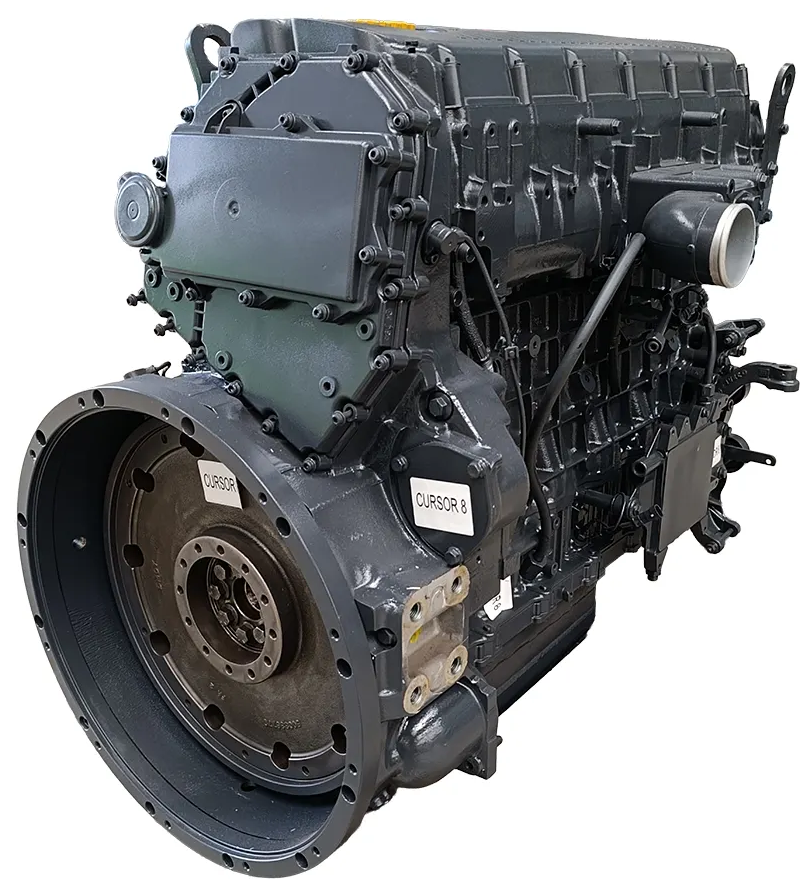
Engineering features of the CURSOR 8 prioritize durability and performance. The engine block is constructed from high-strength cast iron, providing exceptional rigidity and longevity, while the cylinder head is typically also cast iron, designed to withstand high combustion pressures and temperatures. Fuel delivery is managed by a sophisticated Common Rail Direct Injection (CRDI) system, which precisely controls fuel atomization and timing for optimal combustion efficiency and reduced emissions. This system is often paired with a Variable Geometry Turbocharger (VGT) to enhance throttle response and maintain high torque output across a wide RPM range. Exhaust gas recirculation (EGR) and Selective Catalytic Reduction (SCR) systems, utilizing AdBlue, are integrated to meet Euro V and Euro VI emissions standards, demonstrating a commitment to environmental performance.
The IVECO CURSOR 8 engine has been widely deployed across a diverse range of commercial vehicles. Key applications include various models within the IVECO Stralis, Trakker, and Eurocargo truck ranges, spanning multiple payload and usage categories. It has also powered numerous buses, notably under the Irisbus and IVECO Bus brands, and found application in specialized vehicles such as Magirus fire trucks. Production of different versions of the CURSOR 8 has continued for several decades, with successive iterations featuring technological updates to improve power, efficiency, and emissions compliance, reflecting its adaptability and sustained relevance in the commercial vehicle market.
Technical Specifications
| Specification | Value |
|---|---|
| Displacement (cc) | 7790 cc (7.8 L) |
| Max Power (hp (kW) @ RPM) | 270-360 hp (200-265 kW) @ 1900-2100 RPM (Varies by tune) |
| Max Torque (Nm (kg*m) @ RPM) | 1000-1500 Nm (102-153 kg*m) @ 1100-1600 RPM (Varies by tune) |
| Fuel Type | Diesel |
| Fuel Consumption (l/100 km) | Highly variable depending on application, load, and driving conditions |
| Engine Type | Inline 6-cylinder, Turbocharged Diesel, Common Rail Direct Injection |
| Compression Ratio | Approx. 17.0:1 |
| Cylinder Bore (mm) | 115 mm |
| Piston Stroke (mm) | 125 mm |
| Valvetrain | SOHC (Single Overhead Camshaft) |
| Valves per Cylinder | 4 |
| Additional Info | Common Rail Direct Injection, Variable Geometry Turbocharger (VGT), Exhaust Gas Recirculation (EGR), Selective Catalytic Reduction (SCR) system with AdBlue |
Common Problems & Reliability
The IVECO CURSOR 8 engine is generally considered a robust and reliable unit, built for the rigors of heavy-duty commercial operation. However, like all complex modern diesel engines, certain components may exhibit wear or issues over extended mileage. Common areas of concern include:
- EGR System Blockages: The Exhaust Gas Recirculation (EGR) valve and cooler can accumulate soot deposits over time, particularly in applications with frequent idling or stop-and-go driving. This can lead to reduced engine performance, increased emissions, and fault codes. Regular inspection and cleaning or replacement are essential.
- SCR System Failures: Components of the Selective Catalytic Reduction (SCR) system, such as the AdBlue injector, NOx sensors, or the SCR catalyst itself, can experience issues. AdBlue crystallization, sensor failures, or contamination within the system can trigger diagnostic trouble codes and potentially lead to engine derate.
- Fuel Injector Wear: High-pressure common rail injectors are precision components that can wear over very high mileages or due to fuel contamination. Symptoms include rough idling, reduced power, increased fuel consumption, or excessive exhaust smoke. Regular fuel filter changes are critical in mitigating injector issues.
With proper maintenance, high-quality fluids, and adherence to manufacturer service schedules, the IVECO CURSOR 8 engine is designed for an impressive service life. Many units are capable of achieving 800,000 to 1,000,000 kilometers (approximately 500,000 to 620,000 miles) before requiring a major overhaul, underscoring its inherent durability for commercial vehicle operation.
Maintenance Tips & Service Schedule
Optimal performance and longevity of the IVECO CURSOR 8 engine are contingent upon strict adherence to a comprehensive maintenance schedule. Key service items and intervals include:
- Engine Oil and Filter: Replacement is typically recommended every 40,000 to 60,000 kilometers or annually, whichever comes first. The use of heavy-duty diesel engine oil conforming to manufacturer specifications, such as ACEA E6/E9 or API CK-4, with a viscosity grade like 10W-40 or 5W-30 (depending on ambient temperature and specific engine variant), is critical for protecting internal components and maintaining emissions system integrity.
- Fuel Filters: Diesel fuel filters, including primary and secondary units, should be replaced every 40,000 to 60,000 kilometers. This is vital for protecting the sensitive Common Rail Direct Injection system from contaminants.
- Air Filter: Inspection should occur at every service, with replacement as needed, typically every 80,000 to 100,000 kilometers or more frequently in dusty environments. A clean air filter is essential for efficient combustion and preventing turbocharger damage.
- Coolant Flush: The engine cooling system should be flushed and refilled with heavy-duty Organic Acid Technology (OAT) coolant every 2 to 3 years or 200,000 to 300,000 kilometers to prevent corrosion and maintain heat transfer efficiency.
- AdBlue System: Regular topping up of the AdBlue tank is necessary. The AdBlue filter (if fitted) and general system health should be checked according to the manufacturer’s recommendations, usually coinciding with main service intervals.
- Valve Lash Adjustment: For some CURSOR 8 variants, a valve lash inspection and adjustment may be specified at higher mileage intervals, such as 200,000 to 300,000 kilometers, to maintain optimal valve timing and engine efficiency.
- Timing System: The CURSOR 8 engine often utilizes a gear-driven timing system, which is highly durable and generally does not require routine replacement like a timing belt or chain. However, during major overhauls, inspection of gear wear and backlash is prudent.
Conclusion
The IVECO CURSOR 8 engine stands as a testament to robust engineering within the heavy-duty commercial vehicle segment. Its inline six-cylinder configuration, combined with Common Rail Direct Injection and advanced emissions control systems, delivers a balance of power, efficiency, and environmental compliance. For a used vehicle buyer, an IVECO CURSOR 8-equipped truck or bus represents a generally reliable choice, provided the unit has a documented history of consistent and proper maintenance. Awareness of potential issues related to the EGR and SCR systems, common to most modern diesels, is important. With diligent adherence to manufacturer service schedules and the use of specified fluids, the CURSOR 8 is capable of providing many hundreds of thousands of kilometers of dependable service, making it a sound investment for commercial operations seeking long-term value.