
Overview & Design Features
The IVECO F4AE3481DS is a robust, inline four-cylinder, turbocharged diesel engine from IVECO’s acclaimed FPT (Fiat Powertrain Technologies) NEF (New Engine Family) series. Designed for demanding commercial applications, this powerplant typically features a displacement of 4.5 liters, embodying IVECO’s commitment to durability, efficiency, and performance in medium-duty trucks, buses, and industrial machinery. Its significance lies in its widespread deployment across various commercial platforms globally, offering a balance of power, torque, and operational longevity essential for arduous duty cycles.
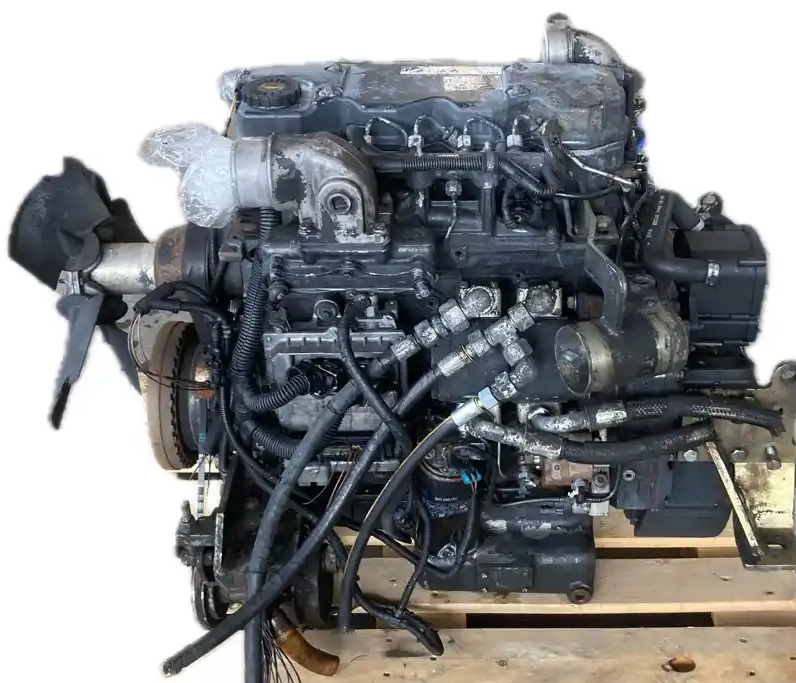
Engineered for endurance, the F4AE3481DS typically incorporates a cast iron cylinder block and an aluminum alloy cylinder head, optimizing both structural rigidity and thermal management. Fuel delivery is managed by a high-pressure common rail direct injection system, providing precise fuel atomization for efficient combustion and adherence to stringent emission standards. A variable geometry turbocharger (VGT) or fixed geometry turbocharger with wastegate, coupled with an intercooler, significantly enhances power output and throttle response across the engine’s operating range. The valvetrain commonly features a Single Overhead Camshaft (SOHC) design, actuating four valves per cylinder, a configuration chosen for its reliability and efficiency in commercial environments.
This specific engine variant has been widely deployed across a range of IVECO products. Primary vehicle models include the IVECO Eurocargo series, particularly in its medium-duty configurations, during its various production runs. It is also prevalent in various industrial and agricultural applications, serving as a reliable power source for equipment where consistent performance and high torque are paramount. Specific trims and model years utilizing the F4AE3481DS may vary by market and application, often tailored to meet specific power requirements and emission regulations of the region.
Technical Specifications
| Displacement | 4485 cc (4.5 L) |
| Max Power | 180 hp (132 kW) @ 2500 RPM |
| Max Torque | 650 Nm (66.3 kg*m) @ 1200-1600 RPM |
| Fuel Type | Diesel |
| Fuel Consumption | Refer to manufacturer’s technical documentation due to broad application range and vehicle type |
| Engine Type | Inline 4-cylinder, Turbocharged Diesel |
| Compression Ratio | 17.5:1 |
| Cylinder Bore | 104 mm |
| Piston Stroke | 132 mm |
| Valvetrain | SOHC (Single Overhead Camshaft) |
| Valves per Cylinder | 4 (Total 16 valves) |
| Additional Info | Common Rail Direct Injection, Turbocharged, Intercooled, EGR, DPF (emission standard dependent) |
Common Problems & Reliability
The IVECO F4AE3481DS engine is recognized for its robust construction and high reliability, inherent to engines designed for commercial heavy-duty use. However, like all complex mechanical systems, certain issues can arise, particularly at high mileage or due to insufficient maintenance. EGR (Exhaust Gas Recirculation) system clogs and failures are relatively common, often exacerbated by extended idling, short-distance operation, or poor fuel quality, leading to reduced performance and increased emissions. Similarly, Diesel Particulate Filter (DPF) regeneration problems can occur if vehicles are not operated at sufficient temperatures or speeds for adequate DPF cleaning cycles, potentially leading to DPF blockage and warning lights.
Fuel injector wear or contamination can also manifest over time, particularly if fuel filters are not changed regularly or if low-quality diesel is used. This can result in misfires, rough running, and reduced fuel efficiency. Turbocharger wear, specifically bearing fatigue or oil supply issues, can occur after significant mileage, signaling potential repair or replacement. With proper and diligent maintenance, the IVECO F4AE3481DS engine has an expected service life often exceeding 500,000 to 700,000 kilometers before requiring a major overhaul, underscoring its design for prolonged operational periods.
Maintenance Tips & Service Schedule
Optimal performance and longevity of the F4AE3481DS engine depend heavily on adherence to a strict maintenance schedule. Engine oil and filter changes are paramount, typically recommended every 20,000 to 40,000 kilometers or annually, whichever comes first, depending on the specific application and operating conditions. The use of high-quality synthetic diesel engine oil conforming to ACEA E6, E7, or E9 specifications, with a viscosity such as 15W-40 or 10W-40, is crucial for engine protection. Fuel filter replacement is critical for common rail systems and should be performed every 20,000 to 40,000 kilometers to prevent injector damage. Air filter replacement intervals should follow manufacturer recommendations, adjusting for dusty operating environments.
Coolant system flushes are typically advised every 2 to 4 years or 100,000 to 200,000 kilometers, utilizing the specified long-life antifreeze to maintain cooling efficiency and prevent corrosion. The F4AE3481DS often employs a gear-driven or heavy-duty timing chain system for its valvetrain, designed for the engine’s lifetime under normal conditions, though inspection for wear is prudent during major service milestones. Regular inspection of auxiliary belts, tensioners, and pulleys is also recommended. Monitoring the DPF system through diagnostic tools and ensuring proper regeneration cycles are completed is essential for emission system health.
Conclusion
The IVECO F4AE3481DS engine stands as a testament to robust engineering, offering a highly reliable and durable power solution for commercial and industrial applications. Its reputation for longevity, coupled with a proven track record in demanding environments, makes vehicles equipped with this engine a sound choice for a used vehicle buyer prioritizing operational resilience and lower total cost of ownership over the long term. Provided a history of diligent maintenance and proper care, the F4AE3481DS is an engine that can deliver continued dependable service, reinforcing its status as a workhorse in the commercial vehicle segment.