
Overview & Design Features
The IVECO F3AE3681A is a distinguished 3.0-liter, 4-cylinder inline diesel engine, a prominent member of IVECO’s highly regarded F1C engine family. Manufactured by IVECO, a global leader in commercial vehicle production, this engine is engineered for robust performance and efficiency, primarily deployed in light commercial vehicles where reliability and torque are paramount. It has earned a reputation for its durability in demanding operational environments, becoming a cornerstone for various IVECO models and their derivatives.
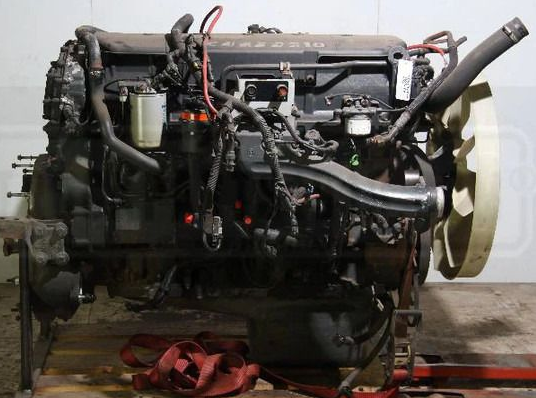
At its core, the F3AE3681A features a high-strength cast iron cylinder block, providing exceptional structural rigidity and longevity, complemented by an aluminum cylinder head designed for optimized weight distribution and thermal management. The valvetrain utilizes a Double Overhead Camshaft (DOHC) configuration, actuating four valves per cylinder to ensure efficient gas flow and combustion. Fuel delivery is managed by a sophisticated common rail direct injection system, enabling precise fuel atomization and combustion control, which contributes to its commendable fuel efficiency and emissions compliance, often meeting Euro V and Euro VI standards. Boost pressure is supplied by a variable geometry turbocharger (VGT), optimizing performance across a broad RPM range and enhancing responsiveness.
This specific iteration of the 3.0L F1C engine, identifiable by the F3AE3681A designation, has seen widespread application across several generations of the IVECO Daily light commercial vehicle range. It has been a common powertrain choice for models including the IVECO Daily V and Daily VI, typically found in various chassis-cab, van, and minibus configurations from approximately the mid-2200s through the 2010s and beyond, adapting to evolving emissions regulations and market demands. Its deployment underscores its versatility and capability to power vehicles requiring significant payload capacity and consistent performance.
Technical Specifications
| Displacement (cc) | 2998 |
| Max Power (hp (kW) @ RPM) | 170 (125) @ 3500 |
| Max Torque (Nm (kg*m) @ RPM) | 400 (40.8) @ 1250 |
| Fuel Type | Diesel |
| Fuel Consumption (l/100 km) | Approx. 9.0-11.0 (vehicle dependent) |
| Engine Type | Inline 4-cylinder, DOHC, Turbocharged Diesel |
| Compression Ratio | 17.5:1 |
| Cylinder Bore (mm) | 95.8 |
| Piston Stroke (mm) | 104 |
| Valvetrain | DOHC |
| Valves per Cylinder | 4 |
| Additional Info | Common Rail Direct Injection, Variable Geometry Turbocharger, EGR, DPF (Euro V/VI) |
Common Problems & Reliability
- Diesel Particulate Filter (DPF) Issues: Like many modern diesel engines, the F3AE3681A is susceptible to DPF clogging, particularly when operated predominantly in urban environments or on short trips that prevent complete regeneration cycles. This can lead to reduced performance, increased fuel consumption, and dashboard warning lights.
- EGR Valve Malfunction: The Exhaust Gas Recirculation (EGR) valve is prone to carbon buildup over time, which can impede its operation. A stuck or faulty EGR valve can result in rough idling, loss of power, increased emissions, and illuminate the check engine light.
- Fuel Injector Wear: The high-pressure common rail injection system, while efficient, relies on precision-engineered injectors. Over very high mileage or with consistent use of sub-standard fuel, these injectors can wear, leading to poor atomization, misfires, reduced fuel efficiency, and potential damage to other engine components.
With diligent adherence to manufacturer-recommended maintenance schedules and proper operating conditions, the IVECO F3AE3681A engine is designed for exceptional longevity. A realistic expected service life before requiring a major overhaul, such as engine bearings, piston rings, or cylinder head refurbishment, typically ranges between 400,000 to 500,000 kilometers. Ancillary components, however, may require attention or replacement sooner.
Maintenance Tips & Service Schedule
- Engine Oil and Filter: Regular oil changes are crucial. It is recommended to replace the engine oil and oil filter every 20,000 to 40,000 kilometers or every 12-24 months, whichever comes first, using a fully synthetic engine oil conforming to API CJ-4/CK-4 or ACEA E6/E7/E9 specifications (e.g., 5W-30 or 5W-40) to support DPF health.
- Fuel Filter: Given the precision of common rail systems, regular replacement of the fuel filter is essential to protect the injectors and high-pressure pump. A typical interval is every 40,000 to 60,000 kilometers.
- Air Filter: The air filter should be inspected regularly and replaced every 40,000 to 60,000 kilometers, or more frequently if the vehicle operates in dusty environments, to ensure optimal engine breathing and prevent turbocharger damage.
- Coolant Flush: Coolant should be replaced every 5 years or 100,000 kilometers using an OAT (Organic Acid Technology) long-life coolant compatible with IVECO specifications to prevent corrosion and maintain cooling efficiency.
- Timing Chain Inspection: While the timing chain is generally durable, inspection for stretch or wear is advisable at intervals exceeding 200,000 kilometers. Replacement should occur if significant stretch or noise is detected.
- DPF Maintenance: For vehicles frequently driven short distances, ensuring periodic longer highway runs is essential to allow the DPF to complete its regeneration cycles. If issues persist, manual DPF regeneration may be initiated via diagnostic tools.
- EGR Valve Cleaning: Proactive inspection and cleaning of the EGR valve, typically around 100,000 to 150,000 kilometers, can mitigate buildup issues and prevent costly replacements.
Conclusion
The IVECO F3AE3681A is generally regarded as a robust and reliable engine, particularly for the demanding applications it serves in commercial vehicles. Its strong construction and proven common rail diesel technology offer a compelling blend of power, torque, and fuel efficiency. For a used vehicle buyer, an IVECO model equipped with the F3AE3681A engine can be a sound choice, provided there is a comprehensive service history confirming adherence to its stringent maintenance requirements. Buyers should prioritize vehicles with documented evidence of timely oil changes, fuel filter replacements, and proactive DPF/EGR system management to ensure continued operational longevity and minimize the risk of common, albeit manageable, diesel-specific issues.