
Overview & Design Features
The GMC LC9 is a 5.3-liter (325 cubic inch) naturally aspirated V8 engine, part of General Motors’ venerable Gen IV small-block engine family. Manufactured by General Motors, it represents a significant evolution in GM’s truck and SUV powertrain offerings, produced primarily between 2007 and 2013. Distinguished by its all-aluminum construction, the LC9 was engineered to deliver a powerful blend of robust torque, respectable horsepower, and improved fuel efficiency, making it a cornerstone for light-duty truck and SUV applications where a balance of capability and weight savings was paramount. Its deployment marked a strategic shift towards lighter engine blocks to enhance vehicle dynamics and overall efficiency.
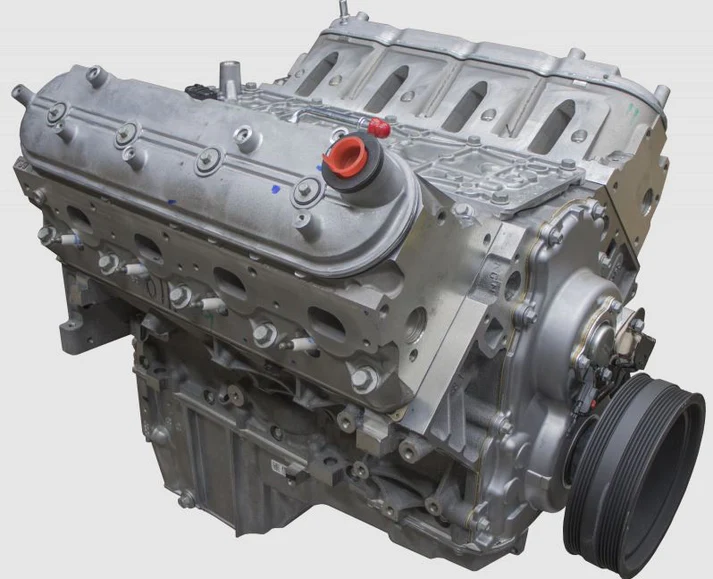
At its core, the LC9 features an aluminum cylinder block and matching aluminum cylinder heads, contributing to a substantial weight reduction compared to its iron-block counterparts. The engine utilizes a traditional overhead valve (OHV) valvetrain with two valves per cylinder, a design known for its compact packaging and low-end torque characteristics. Fuel delivery is managed by a multi-port fuel injection (PFI) system, ensuring precise fuel atomization and efficient combustion. Key technological enhancements include Variable Valve Timing (VVT) on the camshaft, which optimizes valve overlap for improved performance across the RPM range, and Active Fuel Management (AFM), also known as Displacement on Demand (DoD), which deactivates four cylinders under light-load conditions to conserve fuel.
This engine was widely adopted across General Motors’ light-duty truck and SUV lineup during its production run. Notable vehicles equipped with the LC9 include the Chevrolet Silverado 1500, GMC Sierra 1500, Chevrolet Tahoe, GMC Yukon, Chevrolet Suburban, and Chevrolet Avalanche. Its application spanned various trims, primarily those requiring a potent and efficient V8 powerplant for towing, hauling, and everyday driving, solidifying its reputation as a reliable and versatile engine within the North American market.
Technical Specifications
| Specification | Value |
|---|---|
| Displacement (cc) | 5328 cc |
| Max Power (hp (kW) @ RPM) | 315 hp (235 kW) @ 5300 RPM |
| Max Torque (Nm (kg*m) @ RPM) | 454 Nm (46.3 kg*m) @ 4400 RPM |
| Fuel Type | Regular Unleaded (Flex-Fuel E85 capable in some variants) |
| Fuel Consumption (l/100 km) | Combined Cycle (estimate): 13-16 l/100 km (highly dependent on vehicle, drivetrain, and driving conditions) |
| Engine Type | Naturally Aspirated V8 |
| Compression Ratio | 9.9:1 |
| Cylinder Bore (mm) | 96.01 mm |
| Piston Stroke (mm) | 92.00 mm |
| Valvetrain | Overhead Valve (OHV), Pushrod |
| Valves per Cylinder | 2 |
| Additional Info | Aluminum block & heads, Variable Valve Timing (VVT), Active Fuel Management (AFM)/Displacement on Demand (DoD), Multi-Port Fuel Injection (PFI) |
Common Problems & Reliability
While the LC9 generally upholds the reputation of GM’s small-block reliability, it is susceptible to specific issues, primarily related to its Active Fuel Management (AFM) system. A prominent concern is premature lifter failure, particularly for AFM lifters, which can lead to excessive valvetrain noise, misfires, and, in severe cases, damage to the camshaft lobes. This issue often stems from inadequate oil pressure to the lifter bores, exacerbated by extended oil change intervals or improper oil viscosity.
Another common problem linked to AFM is elevated oil consumption. This can occur due to AFM cylinder deactivation causing increased wear on piston rings in the deactivated cylinders, leading to oil bypassing the rings and being burned. Over time, this can result in low oil levels between services, potentially contributing to further engine wear if not diligently monitored.
Lesser, but still prevalent, issues include water pump leaks and occasional issues with the Variable Valve Timing (VVT) actuator, leading to rough idling or diagnostic trouble codes. Despite these potential drawbacks, the core mechanicals of the LC9 are robust. With diligent maintenance, including frequent oil changes and proactive addressing of AFM-related symptoms, an LC9 engine can reliably achieve service lives exceeding 200,000 to 250,000 miles (320,000 to 400,000 km) before requiring a major overhaul.
Maintenance Tips & Service Schedule
Optimal maintenance is crucial for the longevity of the GMC LC9, particularly concerning its AFM system. Frequent oil changes are paramount; it is recommended to use Dexos-approved 5W-30 synthetic blend or full synthetic oil every 5,000-7,500 miles (8,000-12,000 km) or more frequently if the vehicle’s Oil Life Monitor (OLM) indicates. This helps ensure proper lubrication for the AFM lifters and mitigates sludge buildup.
Spark plugs should be replaced every 100,000 miles (160,000 km) using manufacturer-specified iridium plugs. The engine features a timing chain, which typically does not require scheduled replacement but should be inspected for noise or excessive slack during high-mileage services. Coolant flushes, using Dex-Cool coolant, are recommended every 5 years or 100,000-150,000 miles (160,000-240,000 km) to prevent corrosion and maintain cooling system efficiency.
Owners experiencing or wishing to prevent AFM-related issues often consider installing an AFM disabler device or a custom engine tune. While this is not a factory-recommended procedure, it can prevent cylinder deactivation, thereby reducing stress on AFM lifters and potentially mitigating excessive oil consumption. Regular checks of oil levels between scheduled changes are also highly advised.
Conclusion
The GMC LC9 is a capable and powerful 5.3L V8 engine that served as a workhorse in numerous GM trucks and SUVs. Its aluminum construction offers advantages in weight and efficiency. For a used vehicle buyer, it represents a generally reliable choice, providing ample power and towing capability. However, careful consideration of its Active Fuel Management system is essential. A pre-purchase inspection should specifically look for signs of AFM-related issues, such as valvetrain noise or excessive oil consumption. With a history of consistent, quality maintenance and, potentially, proactive AFM mitigation, the LC9 can offer many more miles of dependable service, making it a viable option for those seeking a robust and powerful V8.