
Overview & Design Features
The GMC LGX is a prominent member of General Motors’ third-generation High Feature V6 engine family, succeeding the LFX variant. Manufactured by General Motors, this 3.6-liter (3649 cc) naturally aspirated V6 engine was introduced in 2016, designed to offer a blend of robust performance, enhanced fuel efficiency, and reduced emissions across a range of General Motors vehicles. Its introduction marked a significant step in GM’s commitment to advanced powertrain technologies, providing a lighter and more refined driving experience compared to its predecessors.
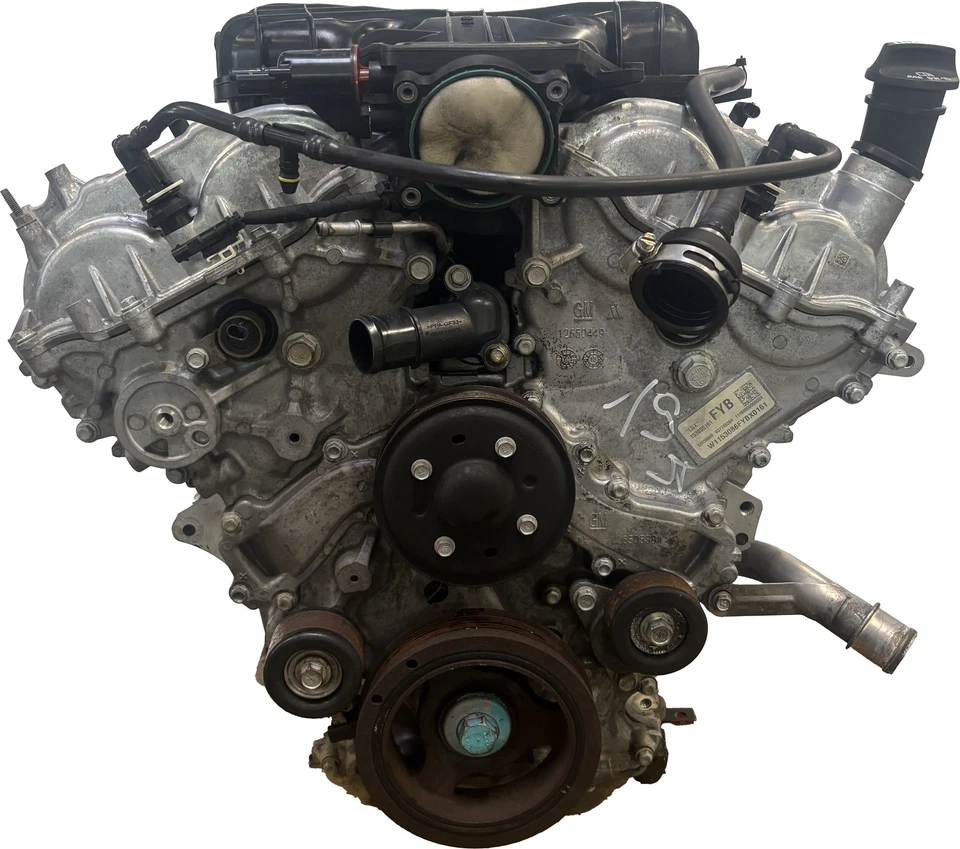
Engineered for optimal performance and durability, the LGX features an all-aluminum construction for both its cylinder block and cylinder heads, contributing to its lighter weight and improved thermal management. It employs Spark Ignition Direct Injection (SIDI), which precisely delivers fuel directly into the combustion chambers for superior atomization, leading to increased power output and fuel economy. Dual overhead camshafts (DOHC) drive four valves per cylinder, complemented by continuously Variable Valve Timing (VVT) on both intake and exhaust sides. This sophisticated valvetrain management optimizes valve overlap and lift for varying engine speeds and loads, enhancing torque across the RPM band and improving emissions control. Further advancements include an integrated exhaust manifold into the cylinder head, reducing weight and improving catalyst light-off times.
The LGX engine has been widely deployed across various GM models, serving as a versatile powertrain for both performance-oriented and utility vehicles. Key applications include the 2016-present Chevrolet Camaro, 2016-present Cadillac CT4, Cadillac CT5, Cadillac XT5, and Cadillac XT6. It also powered the 2017-present GMC Acadia and the 2016-present Buick Envision. Depending on the specific vehicle and tuning, power outputs vary, demonstrating the engine’s adaptability to diverse vehicle segments and performance requirements.
Technical Specifications
| Displacement (cc) | 3649 |
| Max Power (hp (kW) @ RPM) | 335 hp (250 kW) @ 6800 RPM |
| Max Torque (Nm (kg*m) @ RPM) | 383 Nm (39.1 kg*m) @ 5300 RPM |
| Fuel Type | Unleaded Gasoline (Premium Recommended) |
| Fuel Consumption (l/100 km) | ~10.7 (Combined, varies by vehicle) |
| Engine Type | V6, Naturally Aspirated |
| Compression Ratio | 11.5:1 |
| Cylinder Bore (mm) | 94.0 |
| Piston Stroke (mm) | 85.6 |
| Valvetrain | DOHC, VVT |
| Valves per Cylinder | 4 |
| Additional Info | Spark Ignition Direct Injection (SIDI), Active Fuel Management (AFM) / Cylinder Deactivation (some applications), Auto Stop/Start |
Common Problems & Reliability
While the LGX engine generally exhibits robust reliability, certain characteristics and potential issues are noteworthy. A common concern with direct injection engines, including the LGX, is the accumulation of carbon deposits on the intake valves. Without the wash of fuel over the valves (as in port injection), oil vapor and exhaust gas recirculation can lead to sticky carbon buildup, potentially causing rough idle, misfires, and reduced performance over time. Regular use of top-tier gasoline and periodic fuel system cleaners can help mitigate this, but mechanical cleaning (walnut blasting) may be required at higher mileages.
Timing chain wear, a known issue in earlier High Feature V6 generations, has been significantly improved in the LGX due to design enhancements and updated materials. However, some instances of timing chain stretch can still occur in poorly maintained engines or at very high mileages, leading to diagnostic trouble codes and requiring costly replacement. While not as widespread as in previous iterations, it remains a point of attention for high-mileage units.
Some reports indicate minor oil consumption in certain LGX engines, often related to the PCV (Positive Crankcase Ventilation) system. While not typically a catastrophic failure, consistent monitoring of oil levels and adherence to recommended oil change intervals are crucial. The expected service life for a well-maintained LGX engine before requiring a major overhaul is generally around 250,000 kilometers (150,000 miles) or more, highlighting its fundamental durability.
Maintenance Tips & Service Schedule
Optimal longevity and performance from the LGX engine depend on diligent adherence to its maintenance schedule. Engine oil changes are critical; synthetic 5W-30 motor oil meeting GM’s dexos1 specification is recommended every 12,000-16,000 kilometers (7,500-10,000 miles) or as indicated by the vehicle’s Oil Life Monitoring system, whichever comes first. This proactive approach helps to prevent sludging and ensures proper lubrication of complex components.
Spark plugs typically require replacement every 160,000 kilometers (100,000 miles) using iridium-tipped plugs as specified by the manufacturer. While the timing chain is designed for the life of the engine, inspections for unusual noise or diagnostic codes at higher mileages are advisable. The engine’s coolant should be flushed and replaced approximately every 5 years or 160,000 kilometers (100,000 miles) with the specified long-life coolant to prevent corrosion and maintain cooling system efficiency. To combat carbon buildup, incorporating a quality fuel system cleaner into the maintenance routine every 15,000-20,000 kilometers (10,000-12,500 miles) is a beneficial preventative measure.
Conclusion
The GMC LGX engine represents a strong contender in the naturally aspirated V6 segment, offering a compelling blend of power, efficiency, and modern engineering. Its advanced features, including direct injection and variable valve timing, contribute to its responsive performance and respectable fuel economy. For a used vehicle buyer, the LGX is generally a safe and reliable choice, provided the vehicle has a documented history of consistent and proper maintenance. Awareness of the potential for intake valve carbon buildup and routine monitoring of oil levels are key considerations. With proactive care and adherence to service intervals, the LGX can deliver many years of dependable service, making it a sound investment in a pre-owned vehicle.