
Overview & Design Features
The GMC LK0 engine is a naturally aspirated 3.6-liter (3564cc) V6 gasoline engine, an iteration within General Motors’ highly successful High Feature V6 engine family. Manufactured by GMC, this engine represents a refinement of previous designs, focusing on improved efficiency, performance, and emissions control. It is characterized by its compact design, robust construction, and widespread application across various light truck and SUV platforms, underscoring its historical significance as a workhorse powertrain for the brand’s utility vehicle lineup.
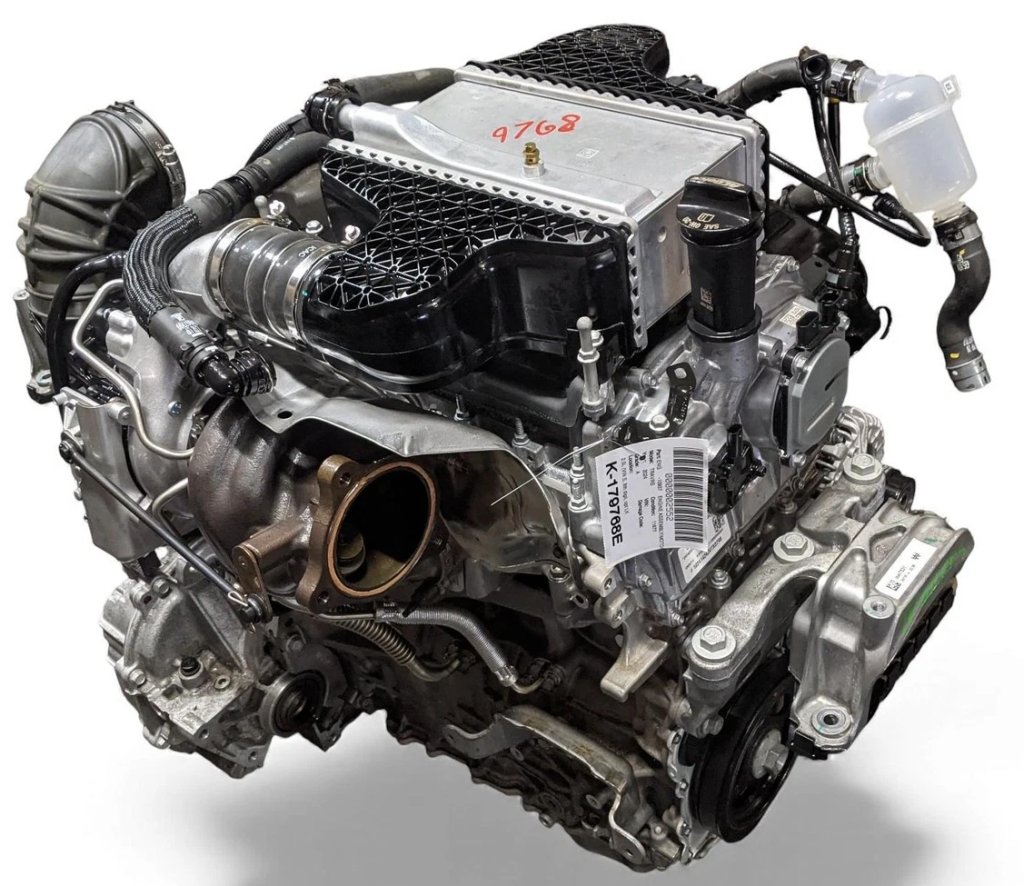
Engineered for durability and responsiveness, the LK0 features an all-aluminum construction for both its cylinder block and cylinder heads, contributing to reduced overall vehicle weight and improved thermal management. It employs Dual Overhead Camshafts (DOHC) with four valves per cylinder, facilitating optimal airflow. A key technological advancement in the LK0 is its Spark Ignited Direct Injection (SIDI) system, which delivers fuel directly into the combustion chambers for precise mixture control, enhancing both power output and fuel economy. Variable Valve Timing (VVT) is also integrated, continuously adjusting intake and exhaust valve timing for optimized performance across the entire RPM range, while some applications incorporate Active Fuel Management (AFM) for further efficiency gains.
This specific engine variant was predominantly deployed in a range of GMC and Chevrolet utility vehicles. Primary applications include the third-generation GMC Acadia (2017-present), second-generation Chevrolet Colorado (2017-present), and third-generation GMC Canyon (2017-present). It also powered the second-generation Chevrolet Traverse (2018-present) and the Cadillac XT5/XT6 in certain configurations. The LK0 served as a reliable powertrain option across various trims, providing a balance of towing capability and everyday driving performance.
Technical Specifications
| Displacement (cc) | 3564 |
| Max Power (hp (kW) @ RPM) | 308 (229) @ 6800 |
| Max Torque (Nm (kg*m) @ RPM) | 365 (37.2) @ 4000 |
| Fuel Type | Unleaded Gasoline (87 Octane) |
| Fuel Consumption (l/100 km) | 10.5 – 11.5 (Combined, Varies by application) |
| Engine Type | V6, DOHC, Direct Injection |
| Compression Ratio | 11.5:1 |
| Cylinder Bore (mm) | 94.0 |
| Piston Stroke (mm) | 85.6 |
| Valvetrain | Dual Overhead Camshaft (DOHC) |
| Valves per Cylinder | 4 |
| Additional Info | Variable Valve Timing (VVT), Spark Ignited Direct Injection (SIDI), Aluminum Block and Heads, Active Fuel Management (AFM) in select applications. |
Common Problems & Reliability
While the GMC LK0 engine is generally considered reliable, certain areas warrant attention. A common concern with direct-injected engines like the LK0 is the potential for carbon buildup on intake valves. This occurs because fuel is injected directly into the combustion chamber, bypassing the intake valves, thus preventing the washing action that typically keeps them clean in port-injected engines. Symptoms include misfires, reduced power, and rough idle. Another notable issue, though less prevalent than in earlier High Feature V6 iterations, can be premature timing chain wear, often signaled by a rattling noise from the front of the engine, especially at startup. Oil consumption, particularly in higher mileage examples, can also be a point of concern, often linked to the Positive Crankcase Ventilation (PCV) system or valve stem seal wear.
Under proper and consistent maintenance, an LK0 engine can typically achieve a service life exceeding 200,000 to 250,000 miles (approximately 320,000 to 400,000 kilometers) before requiring a major overhaul. Proactive maintenance and addressing minor issues promptly are crucial for reaching these higher mileage thresholds.
Maintenance Tips & Service Schedule
To maximize the longevity and performance of the GMC LK0 engine, adherence to a stringent maintenance schedule is essential. Regular engine oil and filter changes are paramount, typically recommended every 7,500 to 10,000 miles (12,000 to 16,000 kilometers) or as indicated by the vehicle’s Oil Life Monitoring system. It is advisable to use a synthetic or semi-synthetic oil with the viscosity grade specified in the owner’s manual, commonly 5W-30 or 0W-20, to ensure proper lubrication and VVT system operation.
Spark plugs should be inspected and replaced every 100,000 miles (160,000 kilometers) with OEM-specified iridium-tipped plugs. While the timing chain is designed for the life of the engine, it should be monitored for noise or signs of wear, especially past 150,000 miles (240,000 kilometers). Coolant flushes using Dex-Cool extended-life coolant are recommended every 5 years or 100,000 miles (160,000 kilometers). To mitigate carbon buildup, periodic use of a high-quality fuel system cleaner formulated for direct injection engines is beneficial, and intake valve cleaning may be necessary at higher mileages. Air filter replacement should occur annually or every 15,000-30,000 miles (24,000-48,000 kilometers) depending on driving conditions.
Conclusion
The GMC LK0 engine stands as a generally reliable and capable V6 powerplant, offering a compelling blend of power, efficiency, and proven design for a variety of utility vehicle applications. Its widespread use and continuous refinement over predecessor engines contribute to its overall dependability. For a used vehicle buyer, an LK0-equipped vehicle represents a safe and robust choice, provided that a comprehensive service history is available, demonstrating adherence to manufacturer-recommended maintenance. Diligent preventative maintenance, especially regarding oil changes and monitoring for common direct injection-related issues, will ensure this engine continues to perform reliably for many years and miles.