
Overview & Design Features
General Motors introduced the LLT engine as a key member of its High Feature V6 family. Displacing 3.6 liters (3,564 cc) in a 60-degree V6 configuration, this powerplant represented a significant leap forward in performance and efficiency for mid-to-large-size crossovers, sedans, and sports cars. Serving as a flagship naturally aspirated V6, the LLT gained widespread adoption across GM’s diverse portfolio, showcasing the brand’s commitment to modern dual-overhead-cam architecture.
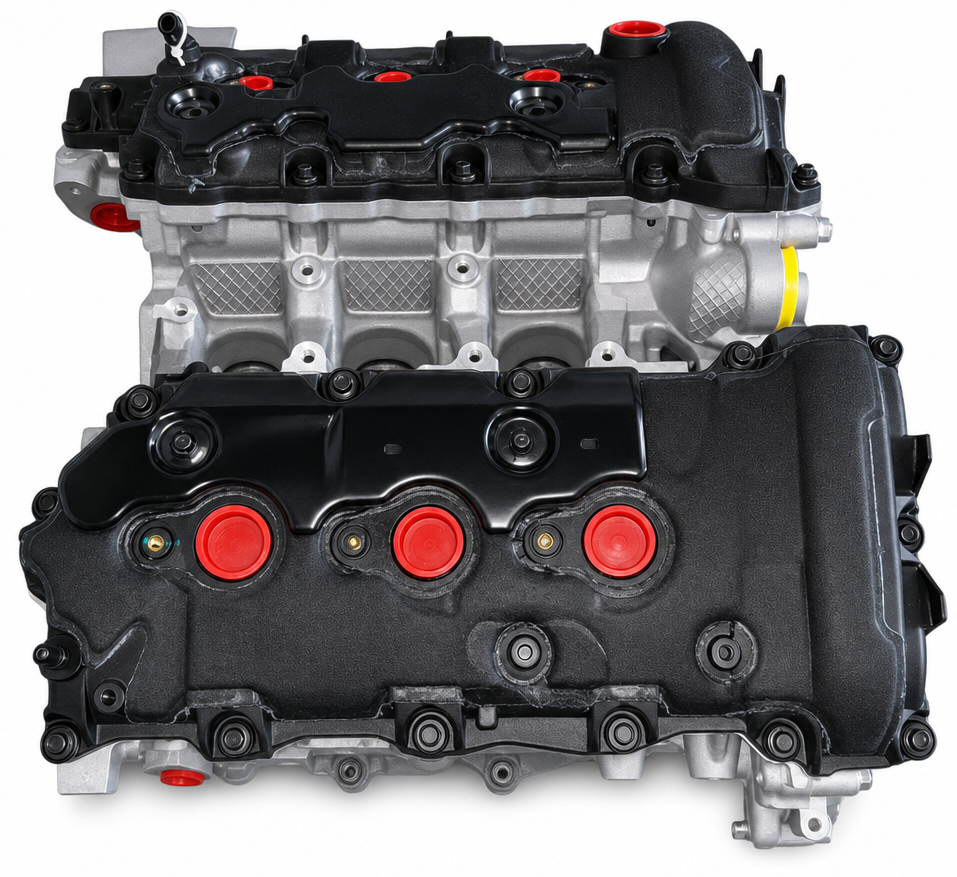
At its technical core, the LLT features a lightweight aluminum cylinder block and cylinder heads, optimizing front-to-rear weight distribution in front-wheel-drive and rear-wheel-drive configurations alike. The defining engineering achievement of this engine is the integration of Spark Ignition Direct Injection (SIDI) alongside continuously variable valve timing (VVT) for both intake and exhaust valves. This combination allows for precise fuel metering directly into the combustion chambers, resulting in optimal gas exchange, reduced emissions, and improved thermal efficiency across the entire RPM range.
The LLT engine was primarily utilized from 2008 through 2011. Notable applications within the GMC lineup include the GMC Acadia (including SLE, SLT, and Denali trims) from 2009 to 2011. It was also widely deployed in sister GM models such as the Chevrolet Traverse, Buick Enclave, Saturn Outlook, Chevrolet Camaro LT, and Cadillac CTS.
Technical Specifications
| Specification | Value |
|---|---|
| Displacement (cc) | 3,564 cc |
| Max Power (hp (kW) @ RPM) | 281 hp to 312 hp (209 kW to 233 kW) @ 6,300 – 6,400 RPM |
| Max Torque (Nm (kg*m) @ RPM) | 361 Nm to 370 Nm (36.8 kg*m to 37.7 kg*m) @ 3,400 – 5,200 RPM |
| Fuel Type | Petrol / Gasoline |
| Fuel Consumption (l/100 km) | 9.8 – 13.8 l/100 km (depending on vehicle model and drive type) |
| Engine Type | Naturally Aspirated V6 (SIDI) |
| Compression Ratio | 11.3:1 |
| Cylinder Bore (mm) | 94.0 mm |
| Piston Stroke (mm) | 85.6 mm |
| Valvetrain | DOHC, Chain Drive, Dual VVT |
| Valves per Cylinder | 4 |
| Additional Info | Features electronic throttle control, cast aluminum pistons, and a forged steel crankshaft |
Common Problems & Reliability
While the LLT delivered excellent power output, it is prone to several notorious mechanical weak points. The most widespread defect is premature timing chain wear. The factory-installed timing chains are highly susceptible to stretching, often triggered by the original GM Oil Life Monitor software which scheduled oil changes at excessively long intervals. A stretched timing chain can cause severe engine misfires, activate the check engine light (codes P0008 and P0017), and eventually cause catastrophic internal valve-to-piston contact if left unaddressed.
Additionally, the integration of direct injection causes significant carbon buildup on the intake valves. Unlike port-injected systems, fuel does not wash over the intake valves, allowing oily crankcase vapors to bake onto the hot metal. This buildup restricts airflow, leading to rough idling, loss of power, and poor fuel economy. High oil consumption is also a common complaint, meaning owners must closely monitor fluid levels to prevent oil starvation.
With meticulous care, the realistic expected service life of the LLT engine is between 150,000 and 200,000 miles (240,000 to 320,000 km) before requiring a major overhaul. However, reaching this milestone requires proactive maintenance that supersedes original factory guidelines.
Maintenance Tips & Service Schedule
Preserving the longevity of the LLT engine requires strict adherence to a modified preventative maintenance program, specifically designed to mitigate timing chain wear and carbon accumulation:
- Engine Oil: Change the oil every 5,000 miles (8,000 km) or six months. It is imperative to use a high-quality full synthetic 5W-30 oil meeting the GM Dexos 1 Gen 2 specification, which contains additives to minimize timing chain wear.
- Spark Plugs: Replace the spark plugs and inspect the ignition coils every 80,000 miles (128,000 km).
- Intake Valve Cleaning: Perform a professional manual or chemical intake valve cleaning service every 40,000 to 50,000 miles to remove carbon deposits.
- Cooling System: Flush the cooling system with fresh Dex-Cool coolant every 5 years or 100,000 miles (160,000 km).
Conclusion
The GMC LLT engine offers a compelling blend of power and modern direct-injection technology, but it demands unwavering maintenance discipline. For a used vehicle buyer, purchasing an LLT-equipped model is a calculated risk. It is only considered a safe purchase if the vehicle features a fully documented service history showing frequent oil changes, or proof that the timing chains have already been replaced with updated components. Without this documentation, buyers should expect significant repair expenses.