
Overview & Design Features
The GMC LZ1 is a 5.3-liter (5328cc) naturally aspirated V8 engine, an integral part of General Motors’ highly successful Gen IV small-block architecture. This powerplant was engineered to deliver a robust combination of power, torque, and durability, primarily for light truck and SUV applications. Its deployment marked a strategic move to provide V8 performance in mid-size platforms, maintaining the legacy of GM’s small-block reliability while addressing specific vehicle segment demands.
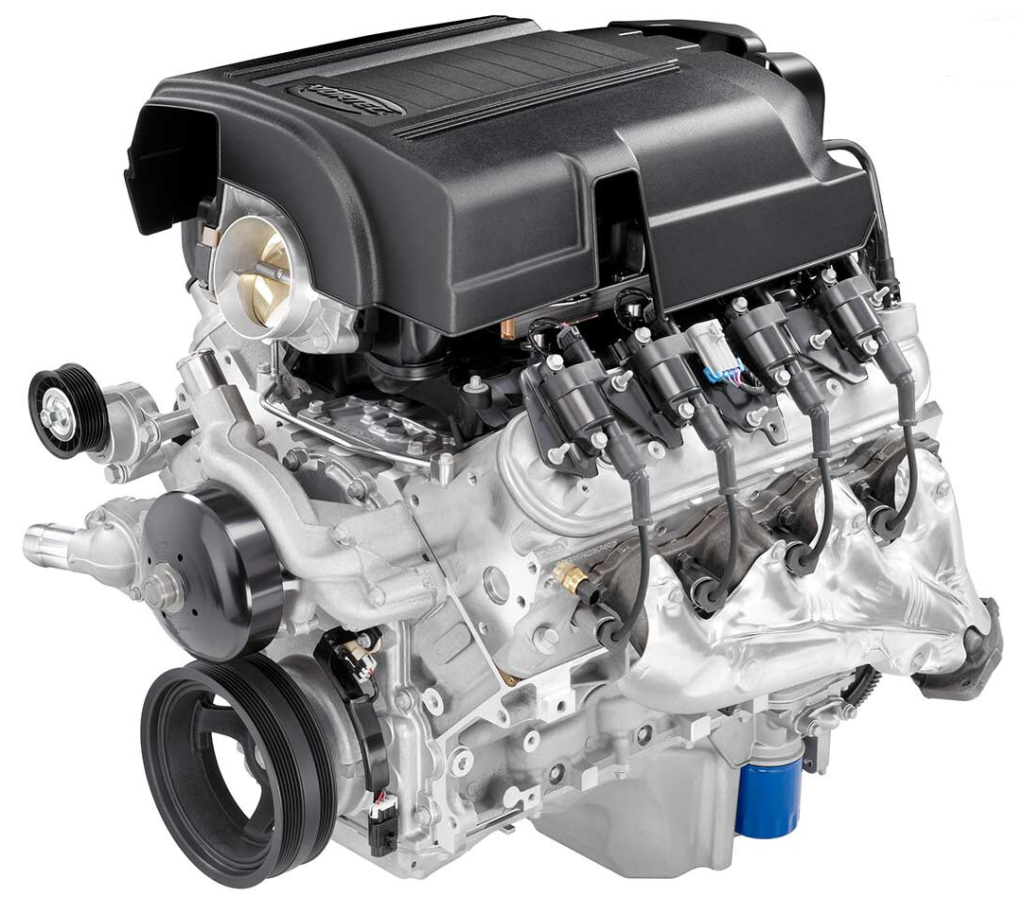
From an engineering perspective, the LZ1 features an all-aluminum cylinder block and cylinder heads, contributing to reduced overall vehicle weight and improved thermal management. It employs a traditional Overhead Valve (OHV) pushrod design, characteristic of GM’s small-block engines, which ensures a compact package and efficient torque production. The engine utilizes two valves per cylinder and incorporates Variable Valve Timing (VVT) technology, optimizing valve overlap for enhanced performance and fuel efficiency across various RPM ranges. Fuel delivery is handled by a proven Port Fuel Injection (PFI) system.
The LZ1 engine was primarily deployed in the Hummer H3 Alpha, specifically from 2008 to 2010, where it served as the sole V8 option. It also powered the Chevrolet Colorado and GMC Canyon mid-size pickup trucks during their 2009 to 2012 model years, offering a significant power upgrade over their standard V6 and inline-four engine offerings.
Technical Specifications
| Specification | Value |
|---|---|
| Displacement | 5328 cc (5.3 L) |
| Max Power | 300 hp (224 kW) @ 5200 RPM |
| Max Torque | 434 Nm (44.3 kg*m) @ 4000 RPM |
| Fuel Type | Unleaded Gasoline (87 octane) |
| Fuel Consumption | ~16.8 l/100 km (Combined cycle, Hummer H3 Alpha) |
| Engine Type | Naturally Aspirated V8 |
| Compression Ratio | 9.9:1 |
| Cylinder Bore | 96.01 mm |
| Piston Stroke | 92.00 mm |
| Valvetrain | OHV, Pushrod |
| Valves per Cylinder | 2 |
| Additional Info | Variable Valve Timing (VVT), Aluminum Block and Heads, Port Fuel Injection (PFI), No Active Fuel Management (AFM) |
Common Problems & Reliability
The GMC LZ1 engine is largely considered a reliable and durable powertrain, benefiting from its robust design and the absence of the problematic Active Fuel Management (AFM) system found in many other Gen IV V8s. However, like any mechanical system, it can exhibit certain issues over extended use:
- Oil Pressure Sensor Failure: A common point of failure for this generation of GM V8s, the oil pressure sensor, located under the intake manifold, can degrade. This leads to inaccurate oil pressure readings or triggers the “low oil pressure” warning light, even when oil levels are adequate. Replacement typically resolves the issue.
- Oil Leaks: As mileage accumulates, minor oil leaks can develop. Common areas include the valve cover gaskets, the rear main seal, and the oil pan gasket. While usually not catastrophic, these leaks should be addressed to prevent fluid loss and potential component damage.
- VVT Actuator/Solenoid Issues: Although less frequent, malfunctions in the Variable Valve Timing (VVT) actuator or its solenoid can occur. Symptoms may include a rough idle, reduced engine performance, or the illumination of the check engine light with corresponding diagnostic trouble codes.
With consistent and proper maintenance, the LZ1 engine is engineered for longevity. It is realistic to expect a service life exceeding 200,000 to 250,000 miles before requiring significant internal repairs or a major overhaul, underscoring its inherent durability.
Maintenance Tips & Service Schedule
Adhering to a stringent maintenance schedule is paramount for maximizing the service life and performance of the GMC LZ1 engine:
- Engine Oil & Filter: Regular oil changes are critical. Use a high-quality synthetic 5W-30 motor oil, replacing it and the oil filter every 5,000-7,500 miles or every 6 months, whichever comes first. Consistent monitoring of oil levels between changes is recommended.
- Spark Plugs: Factory-specified iridium-tipped spark plugs should be replaced every 100,000 miles to maintain optimal combustion efficiency and fuel economy.
- Coolant System: The cooling system should be flushed and refilled with Dex-Cool compatible coolant every 5 years or 100,000 miles. This prevents corrosion and ensures efficient heat transfer.
- Timing System: The LZ1 utilizes a robust timing chain designed to last the engine’s lifespan under normal operating conditions. While no routine replacement interval is specified, inspection for unusual noise or excessive slack is advisable during high-mileage services (e.g., 150,000 miles).
- Air Filter: The engine air filter should be inspected annually and replaced as needed, typically every 15,000 to 30,000 miles, depending on driving conditions.
Conclusion
The GMC LZ1 engine stands out as a highly reliable and robust powertrain, particularly for buyers of used vehicles. Its conventional yet effective OHV design, coupled with an all-aluminum construction and the crucial absence of Active Fuel Management, positions it as a resilient choice. When a specific vehicle equipped with the LZ1 engine possesses a documented maintenance history and passes a comprehensive pre-purchase inspection, it represents a sound investment for those seeking a durable and capable V8 in a light truck or SUV platform.