
Overview & Design Features
The MG 15N4G4 engine is a prominent internal combustion unit developed by SAIC Motor, the parent company of the modern MG automotive brand. This powerplant is a 1.5-liter, four-cylinder, turbocharged gasoline engine designed to deliver a balance of performance and fuel efficiency for a range of contemporary vehicles. Its introduction marked a significant step in MG’s strategy to offer competitive, modern engines in the global market, particularly for its popular SUV and compact sedan segments. The 15N4G4 represents SAIC’s engineering capabilities in developing robust and technologically advanced powertrains.
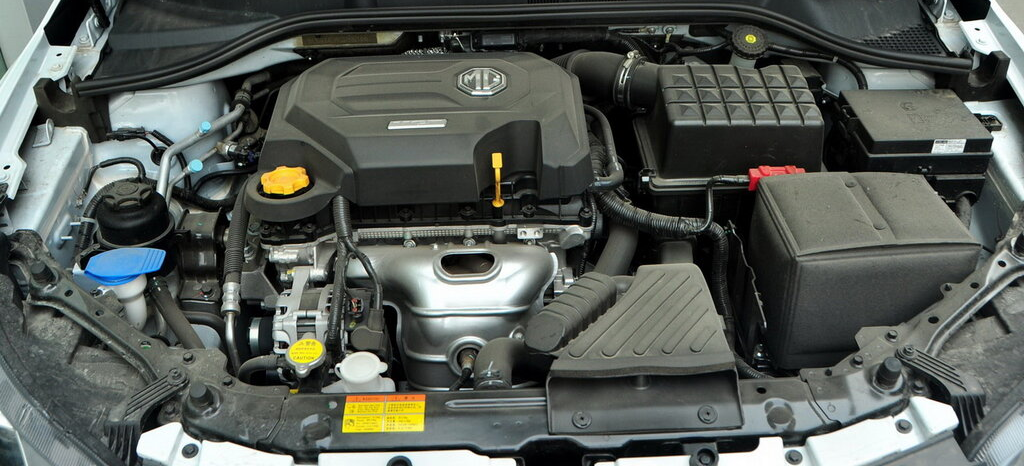
Engineered with a lightweight aluminum alloy cylinder block and head, the 15N4G4 features a double overhead camshaft (DOHC) valvetrain with four valves per cylinder, integrating variable valve timing (VVT) on both intake and exhaust camshafts for optimized performance across the RPM range. Fuel delivery is managed by a high-pressure Gasoline Direct Injection (GDI) system, which atomizes fuel directly into the combustion chambers, enhancing combustion efficiency and reducing emissions. A single turbocharger, often a BorgWarner unit, provides forced induction, significantly boosting power and torque output compared to naturally aspirated engines of similar displacement.
The MG 15N4G4 engine has been widely deployed across several key models within the MG lineup. It serves as a primary engine option in vehicles such as the MG ZS (e.g., ZS Trophy, certain international variants), the MG HS SUV, and also appears in some iterations of the MG 5 sedan. Production years for its widespread use typically span from the mid-2010s onwards, becoming a staple in MG’s compact and medium-sized offerings globally, especially in Asian, Oceanian, and South American markets.
Technical Specifications
| Specification | Value |
|---|---|
| Displacement (cc) | 1490 – 1498 |
| Max Power (hp (kW) @ RPM) | 160-170 hp (118-125 kW) @ 5600 rpm |
| Max Torque (Nm (kg*m) @ RPM) | 250 Nm (25.5 kg*m) @ 1700-4400 rpm |
| Fuel Type | Gasoline |
| Fuel Consumption (l/100 km) | 6.8 – 7.5 (Combined cycle, vehicle dependent) |
| Engine Type | Inline-4, Turbocharged, DOHC |
| Compression Ratio | 10.0:1 – 10.5:1 |
| Cylinder Bore (mm) | 74.0 |
| Piston Stroke (mm) | 86.6 |
| Valvetrain | DOHC with Variable Valve Timing (VVT) |
| Valves per Cylinder | 4 |
| Additional Info | Gasoline Direct Injection (GDI), Single Turbocharger, Aluminum Block and Head |
Common Problems & Reliability
The MG 15N4G4 engine generally exhibits reasonable reliability when properly maintained. However, common issues observed with turbocharged, direct-injection gasoline engines, including this unit, often relate to carbon buildup on intake valves. Due to the GDI system, fuel is injected directly into the combustion chamber, bypassing the intake valves, which can lead to deposits accumulating over time from oil vapor and exhaust gas recirculation (EGR). This can result in reduced airflow, misfires, and decreased performance.
Another area requiring attention can be the turbocharger system itself. Like all forced induction units, the turbocharger’s longevity is highly dependent on oil quality and regular changes. Instances of minor oil leaks from turbocharger seals or associated plumbing can occur at higher mileages. Additionally, the ignition system, particularly spark plugs and ignition coils, can be sensitive to fuel quality and extended service intervals, potentially leading to rough idle or hesitation. With diligent maintenance, including regular oil changes with appropriate synthetic oil and proactive inspection, the 15N4G4 engine can reliably achieve 200,000 to 250,000 kilometers before requiring major component overhauls, although individual results may vary based on driving conditions and maintenance history.
Maintenance Tips & Service Schedule
Optimal maintenance is crucial for the longevity and performance of the MG 15N4G4 engine. Engine oil and filter changes should be performed every 10,000 kilometers or 12 months, whichever comes first, using a fully synthetic engine oil conforming to API SN/SP or ACEA C3 specifications, with a viscosity grade typically recommended as 5W-30 or 5W-40. Regular oil analysis for fleet operators or high-mileage vehicles can help monitor engine health.
Spark plugs, specifically iridium or platinum-tipped types as factory-fitted, should be inspected and replaced every 30,000 to 40,000 kilometers to maintain ignition efficiency and prevent misfires. The air filter should be checked at every service and replaced every 20,000 to 30,000 kilometers, or more frequently in dusty environments, to ensure proper air intake and protect the turbocharger. The engine utilizes a timing chain, which is generally designed for the life of the engine, but inspection for excessive stretch or noise is advisable at higher mileages (e.g., 150,000 km). Coolant flushes and replacements are recommended every 45,000 to 60,000 kilometers or every 3-4 years using an OEM-specified long-life coolant. For GDI-specific carbon buildup, a periodic intake valve cleaning service (e.g., walnut blasting) may be considered every 80,000 to 100,000 kilometers as a preventative measure.
Conclusion
The MG 15N4G4 engine stands as a competitive and modern turbocharged unit within its segment. Its combination of direct injection, variable valve timing, and forced induction delivers a commendable balance of power and efficiency for the vehicles it powers. For a used vehicle buyer, the 15N4G4 engine can be a reliable choice, provided there is a verifiable history of diligent maintenance, particularly concerning oil changes and turbocharger care. Potential buyers should prioritize vehicles with documented service records to mitigate risks associated with carbon buildup or turbocharger wear. With appropriate proactive maintenance and attention to its specific GDI and turbocharging requirements, the 15N4G4 offers a satisfactory ownership experience.