
Overview & Design Features
The MG 18K4G engine represents a significant evolution of the venerable Rover K-Series, specifically developed and produced under SAIC Motor Corporation Limited. With a displacement of 1796 cc, this inline four-cylinder engine is a testament to persistent engineering refinement, aiming to build upon the K-Series’ lightweight design and performance capabilities. Its historical significance lies in bridging the gap between the classic British K-Series legacy and its adaptation for modern applications, particularly in the Chinese and subsequent international markets under the resurrected MG brand.
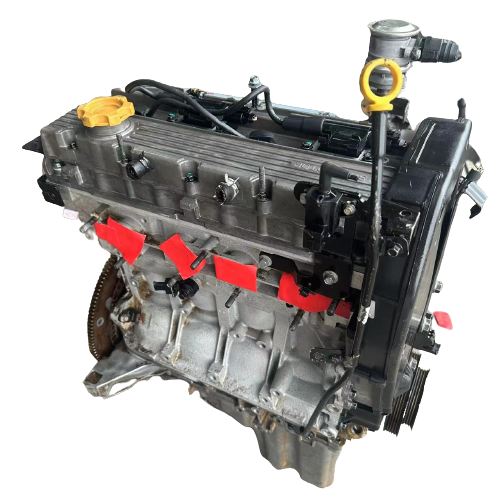
At its core, the 18K4G features an all-aluminum alloy construction for both its cylinder block and cylinder head, contributing to its inherently low mass. This lightweight characteristic is a key design philosophy carried over from its predecessors, benefiting vehicle dynamics and fuel efficiency. Fuel delivery is managed by a multi-point electronic fuel injection (MPI) system, ensuring precise fuel metering. The valvetrain typically employs a Double Overhead Camshaft (DOHC) layout with 16 valves, allowing for efficient gas flow. Notably, many 18K4G variants integrate Variable Valve Timing (VVT) technology, optimizing engine breathing across the RPM range for improved power output and torque delivery, particularly at lower engine speeds. A significant improvement over earlier K-Series iterations often includes a revised cooling system and the adoption of a Multi-Layer Steel (MLS) head gasket, directly addressing historical reliability concerns.
The MG 18K4G engine found widespread deployment in various SAIC-era MG and Roewe models. It was a primary power unit for the first-generation MG 6 (both sedan and fastback versions), typically in its turbocharged configuration, from its introduction in 2010 onwards. Other notable applications include the Roewe 550 and Roewe 750, where it offered a blend of performance and economy. While derived from the K-series, the specific 18K4G designation largely points to the modernized, often turbocharged, variants used in these contemporary SAIC-produced vehicles.
Technical Specifications
| Specification | Value |
|---|---|
| Displacement (cc) | 1796 |
| Max Power (hp (kW) @ RPM) | 160 (118) @ 5500 (Turbocharged variant) |
| Max Torque (Nm (kg*m) @ RPM) | 215 (21.9) @ 2500-4500 (Turbocharged variant) |
| Fuel Type | Unleaded Petrol |
| Fuel Consumption (l/100 km) | 7.8 (Combined, Turbocharged variant) |
| Engine Type | Inline 4-cylinder, Turbocharged |
| Compression Ratio | 9.2:1 |
| Cylinder Bore (mm) | 80 |
| Piston Stroke (mm) | 89.3 |
| Valvetrain | DOHC, VVT |
| Valves per Cylinder | 4 |
| Additional Info | Multi-point electronic fuel injection (MPI), Aluminum alloy block and head, Twin camshafts, Intercooled Turbocharger |
Common Problems & Reliability
Despite significant refinements over its Rover K-Series heritage, the MG 18K4G is not entirely immune to certain mechanical weaknesses, though their prevalence is reduced. A primary area of concern, albeit mitigated, remains the head gasket integrity. While the 18K4G often utilizes a more robust Multi-Layer Steel (MLS) gasket and improved block-to-head dowelling, the cooling system’s efficiency and maintenance are paramount. Overheating, often due to coolant loss or a failing thermostat, can still induce head gasket stress. Related to this is the vulnerability of various cooling system components. Plastic thermostat housings, expansion tanks, and water pump impellers can degrade over time, leading to leaks or blockages that compromise cooling performance. Regular inspection and proactive replacement of these items are critical. Finally, while improved, some variants may exhibit elevated oil consumption at higher mileages, often linked to piston ring wear or PCV system issues, necessitating vigilant oil level checks between service intervals.
With diligent maintenance and timely addressing of known component weaknesses, the 18K4G engine can achieve a realistic expected service life of 150,000 to 200,000 kilometers before requiring a major overhaul.
Maintenance Tips & Service Schedule
Optimizing the longevity and reliability of the MG 18K4G engine hinges on a disciplined maintenance regimen. Engine oil and filter changes are crucial and should be performed every 10,000 kilometers or annually, whichever comes first. A high-quality, fully synthetic engine oil with a viscosity rating of 5W-30 or 5W-40, meeting manufacturer specifications, is recommended to protect the turbocharger and VVT system. Spark plugs typically require replacement every 40,000 to 60,000 kilometers, depending on electrode material and driving conditions.
The 18K4G engine utilizes a timing belt, not a chain, which necessitates strict adherence to its replacement schedule. This critical service, including the replacement of the water pump and all associated tensioners and idlers, should be carried out every 60,000 to 90,000 kilometers or every 4 to 6 years, whichever occurs first. Neglecting this can lead to catastrophic engine damage. Coolant flushes and refills with an OAT (Organic Acid Technology)-compatible antifreeze should be performed every 2 to 3 years, ensuring the cooling system remains free of corrosive elements and maintains optimal heat transfer. Regular inspection of all coolant hoses, the radiator, and particularly the thermostat housing for any signs of leaks or degradation is highly advised.
Conclusion
The MG 18K4G engine, as a refined descendant of the K-Series, presents a compelling package of lightweight performance and modern features, particularly in its turbocharged iterations. For a used vehicle buyer, it can be a safe and reliable choice, provided its maintenance history is transparent and thorough. A diligent owner who understands the engine’s predispositions – particularly concerning the cooling system and timing belt – and commits to proactive, preventative maintenance will find the 18K4G to be a capable and enjoyable powertrain. However, acquiring a vehicle with a neglected service history significantly increases the risk of encountering costly repairs, making pre-purchase inspections by a knowledgeable mechanic essential. With proper care, its inherent design strengths allow for a satisfying ownership experience.