
Overview & Design Features
The MG 18N4S1 is a notable internal combustion engine variant developed by MG (now part of SAIC Motor), primarily designed for compact and mid-size passenger vehicles. Characterized by its 1.8-liter displacement, this inline four-cylinder engine represents a modern iteration in MG’s powertrain lineup, emphasizing a balance of efficiency, performance, and reliability within its segment. It is engineered to meet contemporary emissions standards and deliver accessible power for everyday driving scenarios, succeeding or complementing other well-known MG/Rover engine families in various markets.
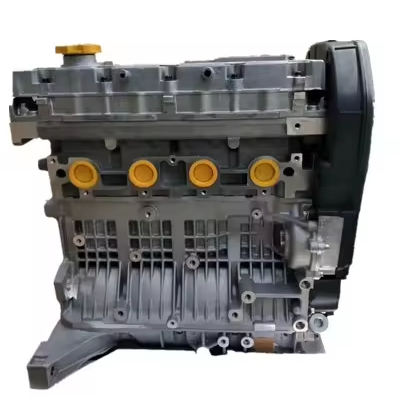
At its core, the 18N4S1 engine typically features an aluminum alloy cylinder block and cylinder head, contributing to reduced overall engine weight and improved thermal management. A Dual Overhead Camshaft (DOHC) valvetrain configuration with 16 valves (four per cylinder) is standard, often incorporating Variable Valve Timing (VVT) technology to optimize intake and exhaust valve operation across different engine speeds and loads. This system enhances both torque delivery at lower RPMs and horsepower at higher RPMs, while also improving fuel economy and emissions. Fuel delivery is commonly achieved through multi-point electronic fuel injection (MPI), ensuring precise fuel metering and efficient combustion.
This specific 1.8-liter variant, the 18N4S1, has been primarily deployed in various SAIC-MG branded vehicles. Its applications include the MG 6 (first and second generation models) from approximately 2010 onwards, the MG GS (certain market specifications), and potentially later iterations of the MG 5 sedan in specific global markets. The engine serves as a foundational powertrain for these models, often paired with both manual and automatic transmissions, providing a robust and economical choice for the target audience.
Technical Specifications
| Specification | Value |
|---|---|
| Displacement (cc) | 1798 |
| Max Power (hp (kW) @ RPM) | 131 hp (96 kW) @ 6000 RPM |
| Max Torque (Nm (kg*m) @ RPM) | 160 Nm (16.3 kg*m) @ 4500 RPM |
| Fuel Type | Unleaded Gasoline (RON 95) |
| Fuel Consumption (l/100 km) | 7.5 (Combined Cycle) |
| Engine Type | Inline 4-cylinder, DOHC, Naturally Aspirated |
| Compression Ratio | 10.5:1 |
| Cylinder Bore (mm) | 80.0 |
| Piston Stroke (mm) | 89.3 |
| Valvetrain | DOHC, VVT |
| Valves per Cylinder | 4 |
| Additional Info | Aluminum Alloy Block & Head, Electronic Throttle Control |
Common Problems & Reliability
The MG 18N4S1 engine generally exhibits reasonable reliability, but like most internal combustion engines, it has specific areas prone to wear or failure over time. One common issue identified by owners and technicians relates to oil leaks, particularly from the valve cover gasket and the front crankshaft seal. These leaks, if left unaddressed, can lead to reduced oil levels and potential damage to other components from oil contamination.
Another area of concern can be the Variable Valve Timing (VVT) actuators or solenoids. Malfunctions in these components can result in rough idling, reduced engine performance, and illumination of the check engine light. While not a catastrophic failure, it requires professional diagnosis and replacement to restore optimal engine operation.
Additionally, some instances of ignition coil failure have been reported, manifesting as misfires, especially under acceleration. This typically requires replacement of the affected ignition coil, sometimes in conjunction with spark plugs. Regular inspection of spark plugs can sometimes provide an early indication of impending ignition system issues.
With proper and diligent maintenance, the MG 18N4S1 engine is engineered to provide a robust service life. A typical expected service life before requiring a major overhaul, such as piston rings or bearing replacement, is generally estimated to be in the range of 200,000 to 250,000 kilometers (approximately 125,000 to 155,000 miles). Exceeding this mileage is certainly possible with meticulous care and prompt attention to minor issues.
Maintenance Tips & Service Schedule
Adherence to a strict maintenance schedule is crucial for maximizing the longevity and reliability of the MG 18N4S1 engine. The following are key maintenance considerations:
- Engine Oil & Filter Change: Recommended every 10,000 kilometers (6,000 miles) or 12 months, whichever comes first. Use a high-quality synthetic or semi-synthetic engine oil conforming to API SN/ACEA A3/B4 standards, with a viscosity grade of 5W-30 or 5W-40, depending on local climate conditions.
- Spark Plugs: Inspection is advisable at every major service (e.g., every 40,000 km or 25,000 miles), with replacement typically recommended every 60,000 to 80,000 kilometers (37,000 to 50,000 miles) to maintain optimal ignition and fuel efficiency.
- Timing Chain: The 18N4S1 utilizes a timing chain system, which is generally designed for the life of the engine. However, periodic inspection (e.g., every 100,000 km or 60,000 miles) for excessive stretch or noise is prudent. Replacement is only necessary if wear is evident, indicated by rattling noises from the timing cover area.
- Coolant Flush: The engine cooling system should be flushed and refilled with suitable long-life coolant every 3 to 5 years, or every 60,000 to 100,000 kilometers (37,000 to 60,000 miles), to prevent corrosion and ensure efficient heat transfer.
- Air Filter: Replacement typically every 20,000 to 30,000 kilometers (12,000 to 18,000 miles) or annually, depending on driving conditions, to ensure proper air-fuel mixture and prevent premature wear.
- Fuel Filter: Replacement intervals can vary but are often specified every 40,000 to 60,000 kilometers (25,000 to 37,000 miles) to maintain fuel system cleanliness and engine performance.
Conclusion
The MG 18N4S1 engine, when considering a used vehicle purchase, represents a generally reliable and well-engineered choice within its segment. Its aluminum construction, DOHC valvetrain with VVT, and multi-point injection provide a good balance of power, efficiency, and modern engine technology. While potential buyers should be aware of common issues such as oil leaks, VVT actuator problems, and ignition coil failures, these are typically manageable and not indicative of fundamental design flaws. With a verifiable service history and adherence to the recommended maintenance schedule, this engine can deliver a long and trouble-free operational life. Therefore, the 18N4S1 is considered a safe and dependable option for a used vehicle, provided due diligence is exercised during inspection and future maintenance is not neglected.