
Overview & Design Features
The MG 25V6S1 engine, a prominent variant of the celebrated Rover KV6 family, represents a significant chapter in modern British automotive engineering. Developed by the MG Rover Group, this 2.5-liter, 90-degree V6 power unit was engineered to deliver a smooth yet highly spirited driving experience. This naturally aspirated engine powered the premium sporting flagships of the MG brand during the early 2000s, balancing refined highway cruising with a distinct, aggressive exhaust note at higher engine speeds.
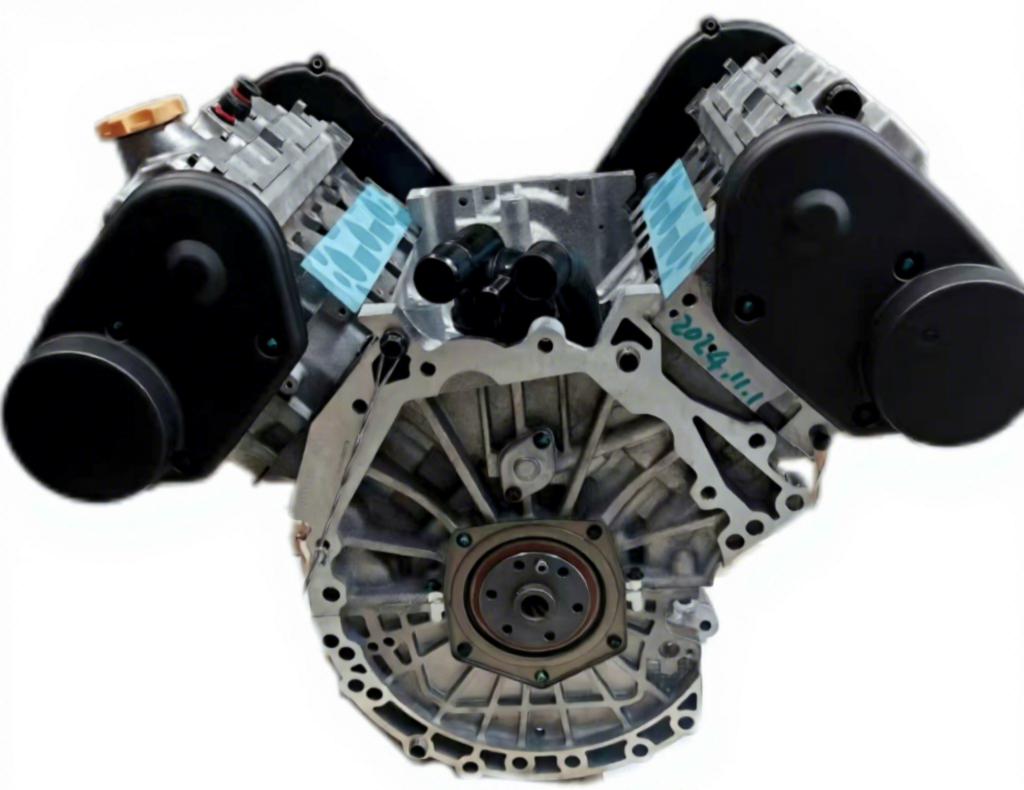
Structurally, the 25V6S1 utilizes a lightweight all-aluminum construction for both the cylinder block and heads, keeping the overall vehicle front weight low for sharper handling. It features damp cylinder liners and a quad-overhead camshaft (DOHC per bank) valvetrain configuration operating 24 valves. To optimize torque across a broad operating range, the engine incorporates a sophisticated Variable Intake System (VIS). This system employs electronic actuator motors to operate butterfly valves within the plastic plenum, altering the intake tract length based on engine load and speed. Fuel delivery is managed via multi-point port fuel injection.
This specific 2.5-liter V6 powerplant was primarily deployed in the sporty MG ZS 180, the executive MG ZT 180, and the high-performance MG ZT 190 editions from 2001 through 2005. It was also widely utilized in the contemporary Rover 75 luxury models and select first-generation Land Rover Freelander SUVs.
Technical Specifications
| Specification | Value |
|---|---|
| Displacement (cc) | 2497 cc |
| Max Power (hp (kW) @ RPM) | 177 hp (130 kW) @ 6500 RPM (Up to 190 hp (140 kW) in ZT 190) |
| Max Torque (Nm (kg*m) @ RPM) | 240 Nm (24.5 kg*m) @ 4000 RPM |
| Fuel Type | Petrol (Gasoline) |
| Fuel Consumption (l/100 km) | 9.8 l/100 km (Combined cycle, model dependent) |
| Engine Type | Naturally aspirated, 90-degree V6 |
| Compression Ratio | 10.5:1 |
| Cylinder Bore (mm) | 80.0 mm |
| Piston Stroke (mm) | 82.8 mm |
| Valvetrain | Quad Cam (DOHC per bank, belt-driven) |
| Valves per Cylinder | 4 |
| Additional Info | Variable Intake System (VIS), aluminum block and heads |
Common Problems & Reliability
The most frequent and frustrating failure point is the Variable Intake System (VIS). Over time, the internal butterfly valves wear out or suffer from oil contamination migrating from the crankcase breather. This causes annoying rattling noises inside the plastic manifold chamber and a noticeable loss of mid-range power. Additionally, the electric VIS actuator motors frequently burn out due to microswitch failures or cracked solder joints on the circuit boards.
Another critical mechanical weakness lies within the engine cooling system. The plastic thermostat housing, situated deep inside the engine “V” valley, becomes extremely brittle from constant thermal cycling and cracks. This leads to rapid coolant loss and severe overheating, which quickly warps the aluminum cylinder heads. With diligent preventative maintenance and prompt cooling system repairs, the realistic expected service life is approximately 200,000 to 250,000 kilometers.
Maintenance Tips & Service Schedule
To ensure maximum longevity and prevent expensive failures, owners must follow a highly structured preventative maintenance schedule:
- Engine Oil: Change the oil and filter every 10,000 kilometers or 12 months. Use high-quality 10W-40 semi-synthetic or 5W-40 fully synthetic oil to protect the complex valvetrain components.
- Timing Belts: The engine utilizes three timing belts (one front main belt and two rear link belts). These must be replaced strictly every 90,000 kilometers or 6 years. This procedure requires specialized locking tools and expert knowledge; failure to replace them leads to complete engine failure.
- Cooling System: Inspect the plastic thermostat housing regularly and flush the cooling system every 4 years using a high-quality Organic Acid Technology (OAT) coolant to prevent internal blockages and overheating.
- Spark Plugs: Replace platinum-tipped spark plugs every 60,000 kilometers. Accessing the rear cylinder bank is highly restricted but essential for maintaining smooth combustion.
Conclusion
The MG 25V6S1 engine is a highly charismatic power unit offering strong performance and an appealing acoustic profile for driving enthusiasts. However, due to its complex belt system and fragile cooling components, it is not a low-maintenance or budget-friendly choice. For a used car buyer, this engine is a viable option only if accompanied by a documented, comprehensive service history confirming that the timing belts and cooling system components have been systematically updated.