
Overview & Design Features
The MG 18N4S4 engine is a key 1.8-liter inline four-cylinder powertrain developed by MG under SAIC ownership. Engineered for a balanced combination of performance, fuel efficiency, and emissions, this engine targets mid-size vehicle segments globally. Its design reflects contemporary automotive practices, providing robust construction and refined operation, competitive within its class.
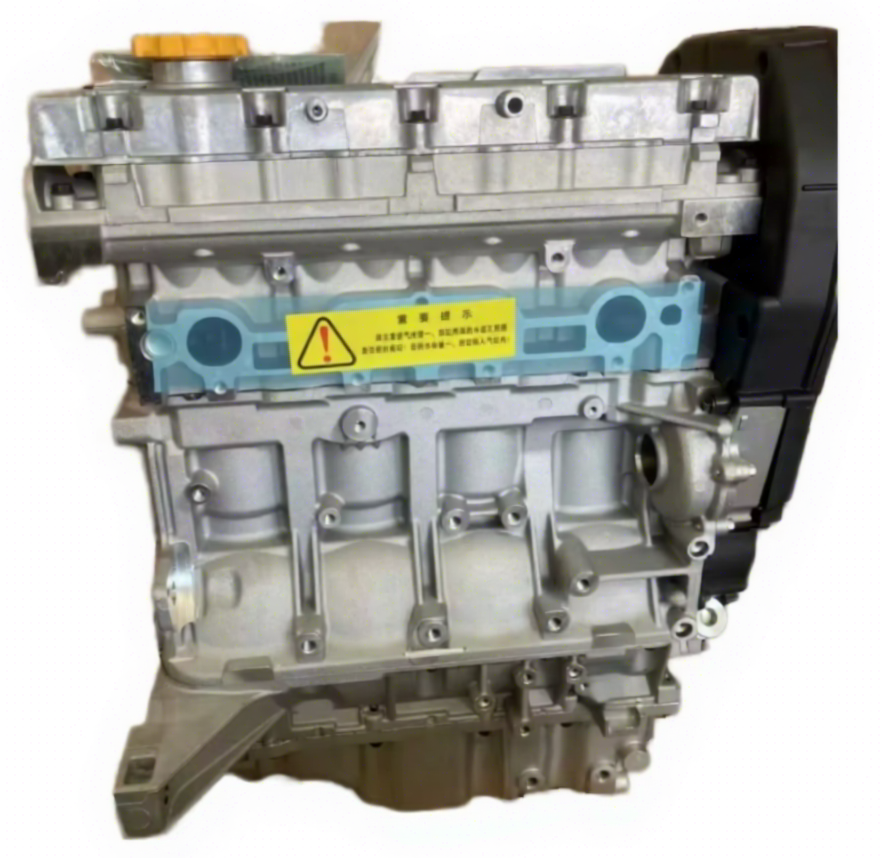
Construction features an aluminum alloy cylinder block and head for reduced weight and improved thermal management. A dual overhead camshaft (DOHC) valvetrain actuates four valves per cylinder, optimizing airflow. This engine utilizes gasoline direct injection (GDI) for precise fuel delivery, enhancing power and atomization. Additionally, a variable valve timing (VVT) system on both intake and exhaust camshafts continuously adjusts valve overlap, optimizing torque and emissions across the RPM range.
The MG 18N4S4 engine was primarily integrated into the MG6 Mk2 (Facelift) 1.8T variants from 2017 onwards. It also saw deployment in specific trims of the MG ZS compact SUV in select markets, offering a higher performance option. Furthermore, it powered some early iterations of the MG HS mid-size SUV, serving as a turbocharged entry-level powerplant typically between 2017 and 2021.
Technical Specifications
| Specification | Value |
|---|---|
| Displacement (cc) | 1796 |
| Max Power (hp (kW) @ RPM) | 168 (125) @ 5500 |
| Max Torque (Nm (kg*m) @ RPM) | 250 (25.5) @ 1700-4400 |
| Fuel Type | Gasoline (RON 95 minimum) |
| Fuel Consumption (l/100 km) | 7.1 (Combined Cycle) |
| Engine Type | Inline Four-Cylinder, Turbocharged, GDI |
| Compression Ratio | 10.5:1 |
| Cylinder Bore (mm) | 80.0 |
| Piston Stroke (mm) | 89.3 |
| Valvetrain | DOHC, 16-valve with VVT |
| Valves per Cylinder | 4 |
| Additional Info | Single-scroll turbocharger, electronic throttle body |
Common Problems & Reliability
The MG 18N4S4 engine, while generally reliable, presents specific common issues. Its GDI system can suffer from carbon buildup on intake valves. As fuel injects directly into the combustion chamber, valves are not cleaned by fuel, allowing oil vapors from the PCV system to accumulate. This restricts airflow, reduces performance, causes rough idle, and increases fuel consumption, typically after 80,000 to 100,000 kilometers. Preventative measures or periodic professional cleaning are often necessary.
Another area of concern involves the variable valve timing (VVT) actuators and solenoids. Malfunctions can cause incorrect valve timing, leading to reduced power, increased emissions, and a check engine light. Symptoms include ticking noises or rough engine operation, especially at idle. Using high-quality engine oil and strict oil change intervals mitigates premature wear.
Issues related to the turbocharger wastegate actuator or diverter valve have been reported, particularly in higher mileage examples. Failures in these boost control components can lead to under-boosting and a noticeable power loss. Diagnosis often requires specialized scan tools. With proper maintenance, including timely oil changes, the MG 18N4S4 engine offers a realistic expected service life of approximately 200,000 to 250,000 kilometers before major overhaul, assuming no significant component failures.
Maintenance Tips & Service Schedule
Strict adherence to a maintenance schedule is crucial for the MG 18N4S4 engine’s longevity. Engine oil and filter changes are required every 10,000 kilometers or 12 months, whichever occurs first. A fully synthetic engine oil conforming to API SN/SP or ACEA C3 standards, typically 5W-30 or 0W-40 viscosity, is recommended. Regular oil analysis is beneficial.
Spark plugs (iridium type) should be replaced every 60,000 kilometers for optimal combustion. Ignition coils should be inspected concurrently. The engine utilizes a timing chain, designed for the engine’s life, but inspection for excessive slack or noise is advised after 150,000 kilometers. Chain replacement is typically only necessary if wear indicators are present.
Coolant flushes and replacements are recommended every 50,000 kilometers or 3 years, using an MG-specified OAT coolant. Air and cabin filters require annual inspection and replacement every 20,000 to 30,000 kilometers, or more often in dusty conditions. Routine inspections of the serpentine belt, hoses, and fluid levels ensure proper ancillary system function.
Conclusion
The MG 18N4S4 engine represents a capable and generally reliable choice for a used vehicle buyer seeking a modern turbocharged four-cylinder. Its GDI and VVT technologies provide a compelling blend of power and efficiency. Prospective owners should be aware of potential carbon buildup on intake valves and the critical need for meticulous adherence to oil change intervals to protect the VVT system and turbocharger. A well-maintained 18N4S4 unit, with documented service history addressing these concerns, can deliver a satisfying ownership experience with a reasonable service life. Prioritizing pre-purchase inspections focused on VVT system health, turbocharger function, and evidence of regular maintenance will enhance the likelihood of acquiring a dependable vehicle.