
Overview & Design Features
The Jetour SQRF4J16 is a modern, turbocharged 1.6-liter inline four-cylinder gasoline engine, a prominent offering from Jetour, a brand under the Chery Holding group. Developed with a focus on performance, efficiency, and contemporary emission standards, this engine represents a significant evolution in compact powertrain technology for the brand. Its integration into Jetour’s lineup underscores a commitment to providing robust and responsive engines for its growing range of SUVs, serving as a cornerstone for several of its popular models and enhancing their competitive standing in various global markets.
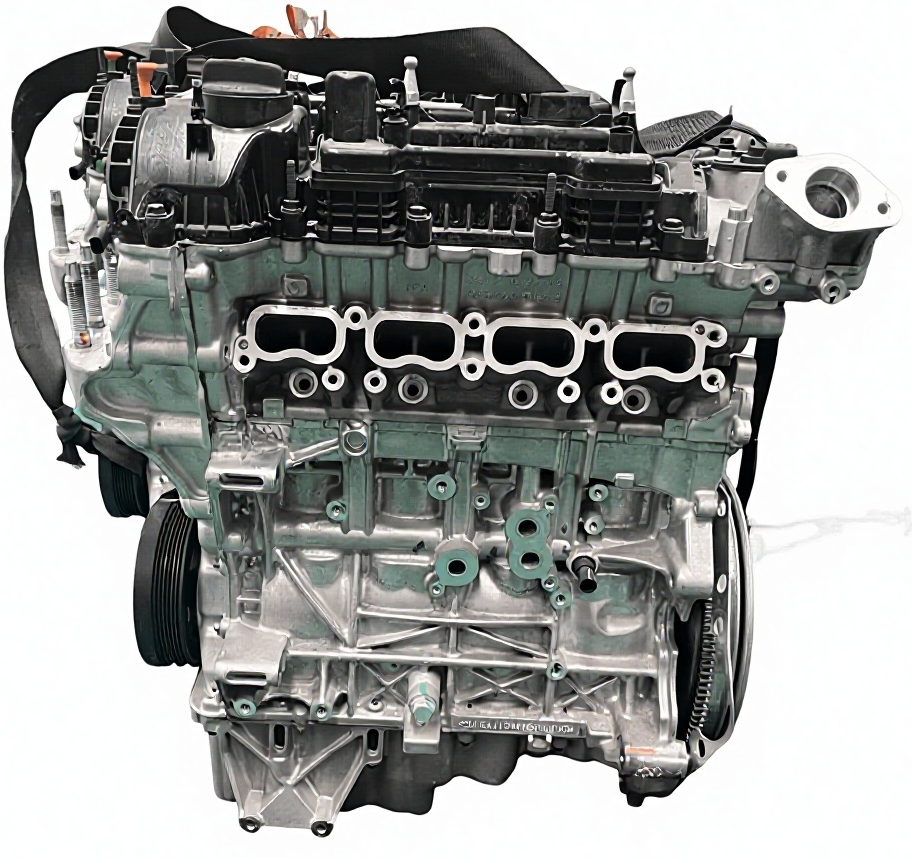
Engineered with an all-aluminum alloy cylinder block and cylinder head, the SQRF4J16 benefits from reduced weight and enhanced thermal dissipation characteristics. It incorporates a high-pressure Gasoline Direct Injection (GDI) system, precisely delivering fuel directly into the combustion chamber for improved fuel atomization, power output, and fuel economy. Further optimizing its performance and efficiency, the engine features Dual Variable Valve Timing (DVVT) on both intake and exhaust camshafts. This technology continuously adjusts valve overlap and lift, ensuring optimal airflow and combustion across a wide range of engine speeds and loads. Complementing these features is an intercooled turbocharger, which significantly boosts air intake density, resulting in a higher power-to-displacement ratio and responsive torque delivery.
The SQRF4J16 engine is widely deployed across Jetour’s popular SUV models. It serves as a primary powertrain option for vehicles such as the Jetour X70 Plus, the larger Jetour X90 Plus, and the futuristic Jetour Dasheng. Depending on the specific market and trim level, this engine powers both front-wheel-drive and all-wheel-drive configurations, highlighting its versatility and adaptability to diverse vehicle requirements and driving conditions. Production commenced as part of Jetour’s strategy to equip its next-generation vehicles with advanced, domestically developed powerplants.
Technical Specifications
| Specification | Value |
|---|---|
| Displacement (cc) | 1598 |
| Max Power (hp (kW) @ RPM) | 197 hp (145 kW) @ 5500 RPM |
| Max Torque (Nm (kg*m) @ RPM) | 290 Nm (29.6 kg*m) @ 2000-4000 RPM |
| Fuel Type | Gasoline (Unleaded, RON 92/95 recommended) |
| Fuel Consumption (l/100 km) | 7.0 – 8.0 (combined, varies by vehicle model) |
| Engine Type | Inline 4-cylinder, DOHC, Turbocharged, GDI, DVVT |
| Compression Ratio | 9.8:1 |
| Cylinder Bore (mm) | 77.0 |
| Piston Stroke (mm) | 85.8 |
| Valvetrain | Double Overhead Camshaft (DOHC) |
| Valves per Cylinder | 4 (Total 16 valves) |
| Additional Info | Aluminum alloy block and cylinder head, intercooled turbocharger |
Common Problems & Reliability
The Jetour SQRF4J16, as a modern turbocharged Gasoline Direct Injection (GDI) engine, shares common characteristics and potential weak points inherent to this engine type. One prevalent concern is carbon buildup on the intake valves. Due to GDI technology, fuel is injected directly into the combustion chamber, bypassing the intake valves. This prevents the natural cleaning action of fuel washing over the valves, leading to carbon deposits over time. Severe buildup can restrict airflow, causing reduced performance, misfires, and decreased fuel efficiency. Periodic intake valve cleaning is a recommended preventative measure.
Another area requiring attention is the turbocharger system’s longevity. While robust, the turbocharger operates under extreme heat and high rotational speeds. Inadequate oil changes, using incorrect oil viscosity, or frequent aggressive driving without proper cool-down can accelerate wear on turbocharger bearings and seals, potentially leading to oil consumption or reduced boost pressure. Monitoring for unusual noises or smoke from the exhaust is advisable.
The high-pressure fuel pump (HPFP), essential for GDI operation, is another component subject to wear. Operating under immense pressure, the HPFP can develop internal wear over extended mileage, manifesting as fuel pressure drops, rough idling, or engine stumbling. Early diagnosis and replacement are crucial to prevent further fuel system complications. With diligent maintenance and adherence to manufacturer service schedules, the Jetour SQRF4J16 engine can realistically achieve a service life exceeding 200,000 to 250,000 kilometers before requiring major overhaul considerations.
Maintenance Tips & Service Schedule
Optimal reliability and performance from the Jetour SQRF4J16 engine are dependent on strict adherence to a comprehensive maintenance schedule:
- Engine Oil & Filter: Crucial for turbocharged GDI engines. Use only full synthetic engine oil meeting API SN/SP or higher specifications, with a viscosity of 5W-30 or 0W-20 as recommended by the manufacturer. Change oil and filter every 5,000 to 7,500 kilometers or every 6 months, whichever comes first.
- Spark Plugs: Replace high-quality iridium or platinum spark plugs every 30,000 to 45,000 kilometers. Worn plugs can negatively impact combustion efficiency and potentially stress ignition coils.
- Air Filter: Inspect the engine air filter every 15,000 kilometers and replace it every 30,000 kilometers or annually, especially in dusty environments. A clean filter is vital for optimal engine breathing and fuel economy.
- Timing Chain: The SQRF4J16 utilizes a timing chain, designed for the life of the engine. Regular oil changes are paramount to prevent premature chain wear. Inspection for excessive slack or noise is recommended at 150,000 kilometers.
- Coolant: The engine cooling system should be flushed and refilled with the manufacturer-specified long-life coolant every 4-5 years or 60,000-80,000 kilometers to prevent corrosion and maintain proper thermal regulation.
- Fuel System Cleaner: Periodically adding a high-quality fuel system cleaner to the fuel tank can help mitigate carbon buildup on intake valves and keep fuel injectors clean, especially beneficial for GDI engines.
- PCV Valve: Inspect the Positive Crankcase Ventilation (PCV) valve every 60,000 kilometers and replace if it shows signs of clogging or malfunction, as this can contribute to carbon buildup.
Conclusion
The Jetour SQRF4J16 engine represents a capable and efficient powertrain choice for Jetour vehicles. Its modern design, incorporating direct injection, turbocharging, and variable valve timing, delivers a compelling balance of performance and fuel economy. For a used vehicle buyer, this engine can be considered a generally reliable option, provided its specific maintenance requirements, particularly those related to turbocharged GDI systems, have been diligently followed. Prospective owners should prioritize vehicles with a comprehensive service history. With proactive and consistent maintenance, including regular oil changes with appropriate synthetic oil, timely spark plug replacement, and awareness of potential carbon buildup, the SQRF4J16 is a robust engine that offers a satisfying ownership experience.