
Overview & Design Features
The Jetour SQRF4J16C is a prominent turbocharged 1.6-liter (1598cc) four-cylinder gasoline engine, a cornerstone of Jetour’s modern vehicle lineup. Manufactured by Chery Automobile Co., Ltd., which underpins the Jetour brand, this engine represents a significant engineering effort to deliver a balance of power, efficiency, and refined performance within the compact to mid-size SUV segment. Its introduction marked Jetour’s commitment to competitive powertrain solutions, leveraging advanced technologies to meet contemporary automotive demands and emission standards.
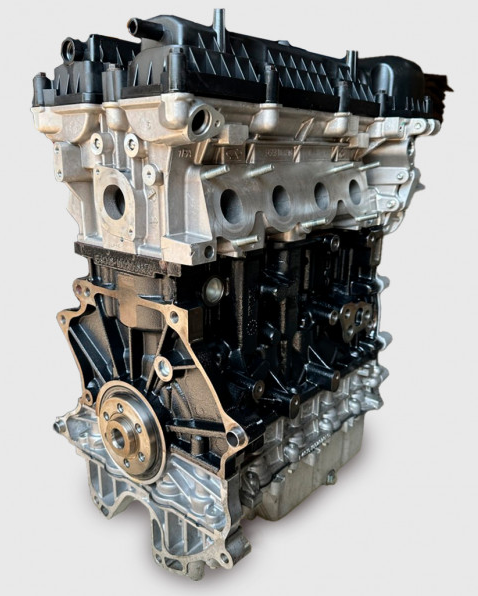
Engineered for robustness and efficiency, the SQRF4J16C features an all-aluminum alloy construction for both its cylinder block and cylinder head, contributing to reduced overall vehicle weight and improved thermal management. It employs a sophisticated direct fuel injection (GDI) system, which precisely atomizes fuel directly into the combustion chambers, enhancing fuel efficiency and power output. Complementing this is a dual overhead camshaft (DOHC) valvetrain with continuous variable valve timing (VVT) on both intake and exhaust sides. This VVT system dynamically adjusts valve lift and duration, optimizing engine breathing across various RPMs and load conditions, leading to improved torque delivery and lower emissions. Forced induction is provided by an advanced turbocharger, engineered to minimize turbo lag and deliver a broad, accessible torque band.
The SQRF4J16C engine has been widely deployed across several of Jetour’s popular vehicle models, serving as a key power plant for their competitive offerings. This engine is notably found in vehicles such as the Jetour X70 Plus, Jetour X90 Plus, and the contemporary Jetour Dashing. It also powers specific variants of the Jetour Traveler. Its production typically aligns with the model years from approximately 2020 onwards, becoming a standard high-performance option for these specific trims.
Technical Specifications
| Displacement (cc) | 1598 |
| Max Power (hp (kW) @ RPM) | 197 (145) @ 5500 |
| Max Torque (Nm (kg*m) @ RPM) | 290 (29.6) @ 2000-4000 |
| Fuel Type | Gasoline (Unleaded, recommended 92 RON or higher) |
| Fuel Consumption (l/100 km) | 7.5 – 8.5 (Combined, varies by vehicle model) |
| Engine Type | Inline 4-cylinder, Turbocharged |
| Compression Ratio | 9.8:1 |
| Cylinder Bore (mm) | 77.0 |
| Piston Stroke (mm) | 85.8 |
| Valvetrain | DOHC (Dual Overhead Camshaft) |
| Valves per Cylinder | 4 |
| Additional Info | Direct Fuel Injection (GDI), Continuous Variable Valve Timing (VVT) |
Common Problems & Reliability
The Jetour SQRF4J16C, like many modern direct-injection turbocharged engines, is generally robust but can exhibit specific issues typical of its design. One common concern is the potential for carbon buildup on the intake valves. As fuel is injected directly into the cylinders and bypasses the intake valves, detergents in gasoline do not clean these surfaces. Over time, oil vapor from the PCV system can accumulate and bake onto the intake valves, leading to reduced airflow, decreased performance, and potential misfires. Regular inspection and walnut blasting may be required at higher mileages.
Another area requiring attention is the turbocharger assembly. While designed for durability, excessive heat exposure or inconsistent oil changes can accelerate wear on bearings and seals. Symptoms like excessive smoke from the exhaust, unusual whining noises, or noticeable power loss indicate potential turbocharger issues. Furthermore, proper function of the GDI system’s high-pressure fuel pump and injectors is critical; failures here can lead to rough idling, fuel leaks, or poor performance.
With diligent adherence to manufacturer-recommended service schedules and proper driving habits, the SQRF4J16C engine has an expected service life of approximately 200,000 to 250,000 kilometers before major components may require significant overhaul or replacement.
Maintenance Tips & Service Schedule
Optimal longevity and performance from the SQRF4J16C engine depend heavily on strict adherence to a proactive maintenance schedule. Key recommendations include:
- Engine Oil & Filter Change: Essential every 8,000 to 10,000 kilometers or every 6-12 months, whichever comes first. Synthetic engine oil of viscosity grades like 5W-30 or 0W-20, conforming to API SN Plus or SP specifications, is typically recommended to ensure proper lubrication for the turbocharger and VVT system.
- Spark Plugs: Inspection and replacement of iridium-tipped spark plugs are generally advised every 40,000 to 60,000 kilometers to maintain optimal combustion efficiency.
- Air Filter: Replacement every 20,000 to 30,000 kilometers or annually, contingent on driving conditions, to ensure clean air intake and prevent particulate contamination of the turbocharger.
- Fuel Filter: Typically a lifetime component within the fuel tank for many modern vehicles, but if serviceable, periodic replacement around 60,000 to 80,000 kilometers is prudent.
- Coolant Flush: The engine cooling system should be flushed and refilled with the manufacturer-specified long-life coolant every 3 to 5 years or 60,000 to 80,000 kilometers to prevent corrosion and maintain thermal stability.
- Timing Chain: As a chain-driven system, it is designed for the life of the engine. However, listening for unusual noises (rattling) and inspecting chain tensioners and guides around 150,000 to 200,000 kilometers is recommended.
- PCV System: Regular inspection of the Positive Crankcase Ventilation (PCV) valve and associated hoses is important to mitigate carbon buildup on intake valves.
Conclusion
The Jetour SQRF4J16C engine stands as a competitive and capable powertrain, offering a compelling blend of power and fuel efficiency for Jetour’s modern vehicle range. Its advanced engineering, including GDI, turbocharging, and VVT, provides a responsive driving experience. For a used vehicle buyer, this engine can be a safe and reliable choice, provided that its service history demonstrates diligent adherence to the recommended maintenance schedule. Particular attention to oil change intervals with specified synthetic oils, along with awareness of potential GDI-related carbon buildup and turbocharger health, will ensure the engine delivers its intended performance and longevity. A pre-purchase inspection by a qualified technician is always advisable to assess the engine’s current condition.