
Overview & Design Features
The Jetour SQRF4J15C engine is a modern 1.5-liter, turbocharged inline four-cylinder petrol engine, primarily developed by Chery Automobile Co., Ltd. for its Jetour sub-brand. With a displacement of 1498 cc, this engine represents a prevalent trend in the automotive industry towards smaller displacement, turbocharged powertrains designed to balance performance with fuel efficiency and lower emissions. It serves as a foundational powerplant for several of Jetour’s popular SUV models, contributing significantly to their market positioning as value-oriented, capable vehicles.
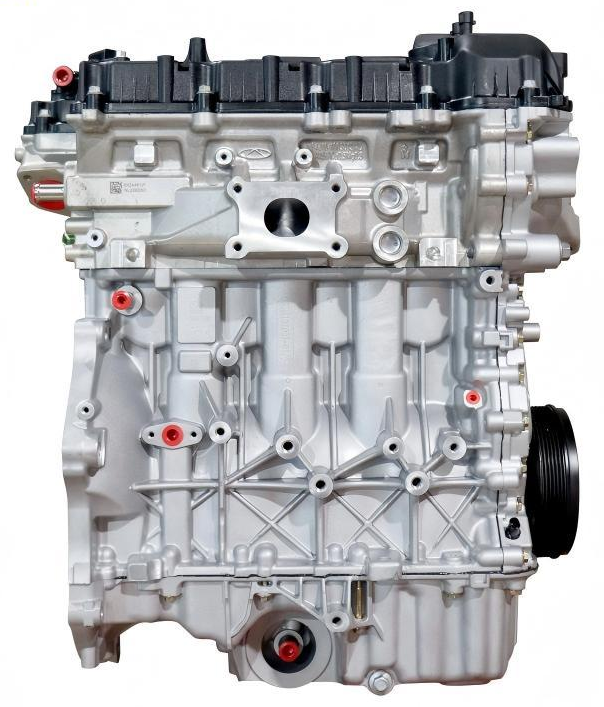
Engineering features of the SQRF4J15C include a lightweight aluminum alloy cylinder block and cylinder head, crucial for reducing overall vehicle weight and enhancing thermal efficiency. Fuel delivery is managed by Gasoline Direct Injection (GDI) technology, which precisely atomizes fuel directly into the combustion chambers, optimizing combustion efficiency and power output while minimizing fuel consumption. The valvetrain incorporates Dual Variable Valve Timing (DVVT) on both intake and exhaust camshafts, allowing for dynamic adjustment of valve overlap to improve volumetric efficiency across a broad RPM range, thus enhancing both low-end torque and high-end power. A single scroll turbocharger further boosts performance, providing increased horsepower and torque from the compact displacement.
The Jetour SQRF4J15C engine has been widely deployed across the Jetour product line since its introduction. Its primary applications include the Jetour X70 and X70 Plus, where it serves as a core engine option. It is also found in the larger Jetour X90 and X90 Plus models, often as the base turbocharged offering. These vehicles generally feature this engine from their respective market introductions, typically ranging from around 2018 onwards, depending on the specific trim levels and regional market configurations.
Technical Specifications
| Specification | Value |
|---|---|
| Displacement | 1498 cc |
| Max Power | 156 hp (115 kW) @ 5500 RPM |
| Max Torque | 230 Nm @ 1750-4000 RPM |
| Fuel Type | Gasoline (RON 92 or higher recommended) |
| Fuel Consumption | 7.4 l/100 km (Combined Cycle, typical) |
| Engine Type | Inline 4-cylinder, DOHC, Turbocharged, GDI |
| Compression Ratio | 9.5:1 |
| Cylinder Bore | 77.0 mm |
| Piston Stroke | 80.5 mm |
| Valvetrain | 16-valve DOHC with Dual VVT |
| Valves per Cylinder | 4 |
| Additional Info | Aluminum alloy block and head, Electronic throttle control |
Common Problems & Reliability
- Carbon Buildup on Intake Valves: As a Gasoline Direct Injection (GDI) engine, the SQRF4J15C is susceptible to carbon deposits on the intake valves. The direct injection system prevents fuel from washing over the valves, leading to carbon accumulation over time. This can result in reduced engine performance, misfires, and decreased fuel efficiency, typically becoming noticeable after 60,000-80,000 km. Regular inspection and professional intake valve cleaning (e.g., walnut blasting) are recommended.
- Turbocharger Longevity: The turbocharger, while enhancing performance, represents an additional component susceptible to wear. Premature turbocharger failure can occur if engine oil changes are neglected, incorrect oil viscosity is used, or if the engine is not properly warmed up or allowed to cool down after strenuous driving. Signs of issues include excessive smoke from the exhaust, unusual whining noises, or a noticeable drop in power.
- Oil Consumption: Some units of this engine may exhibit a measurable degree of oil consumption between service intervals. While a certain level of consumption is considered normal for turbocharged engines, excessive oil loss can indicate issues with piston rings, valve seals, or the turbocharger itself. Regular monitoring of the oil level is essential to prevent engine damage.
With diligent maintenance and adherence to manufacturer-recommended service schedules, the Jetour SQRF4J15C engine can realistically achieve a service life exceeding 200,000 to 250,000 kilometers before requiring a major overhaul. Proactive addressing of potential GDI-related issues and consistent use of high-quality lubricants are crucial for maximizing its operational lifespan.
Maintenance Tips & Service Schedule
- Engine Oil and Filter: Regular oil changes are paramount for the longevity of this turbocharged engine. It is recommended to perform oil and filter changes every 5,000 to 10,000 kilometers or every 6 to 12 months, whichever comes first. Use a fully synthetic engine oil conforming to the manufacturer’s specifications, typically a 5W-30 or 5W-40 viscosity grade meeting ACEA A3/B4 or C3 standards, to ensure optimal turbocharger lubrication and engine protection.
- Spark Plugs: Spark plugs should be inspected and replaced every 30,000 to 40,000 kilometers. Turbocharged GDI engines operate under higher thermal and pressure loads, which can accelerate spark plug wear. Using the correct type and heat range of spark plugs specified by the manufacturer is critical for efficient combustion.
- Air Filter and Fuel Filter: The engine air filter should be checked at every service and replaced every 20,000 kilometers or annually to ensure proper air intake and protect against contaminants. The fuel filter, often integrated within the fuel pump assembly for GDI systems, typically has a longer service interval, sometimes considered a lifetime component, but specific intervals should be confirmed with manufacturer documentation.
- Coolant Flush: The engine coolant should be replaced every 60,000 to 80,000 kilometers or every 4 to 5 years, using the manufacturer-specified long-life coolant. This maintains cooling system efficiency and prevents corrosion.
- Timing Chain: The SQRF4J15C utilizes a timing chain, which is generally designed to last the lifetime of the engine under normal operating conditions. However, it is advisable to have the timing chain and tensioners inspected for wear or noise at higher mileages, typically beyond 150,000 kilometers.
- Intake System Cleaning: Due to the potential for carbon buildup, a professional intake valve cleaning service (e.g., walnut blasting) is recommended every 60,000 to 80,000 kilometers to maintain optimal engine performance and efficiency.
Conclusion
The Jetour SQRF4J15C engine represents a competent and widely utilized powertrain within Jetour’s compact SUV lineup. Its combination of a lightweight design, GDI, and turbocharging provides a respectable balance of power and fuel efficiency for its class. For a used vehicle buyer, this engine can be a reliable choice, provided that a consistent and thorough maintenance history is verifiable. Attention to regular oil changes with appropriate synthetic oil, proactive management of potential GDI carbon buildup, and routine inspection of the turbocharger are key to ensuring its long-term durability and performance. Vehicles equipped with this engine, when properly cared for, offer a generally dependable ownership experience.