
Overview & Design Features
The Jetour SQRF4J20 is a modern, high-performance inline-four turbocharged gasoline direct injection (GDI) engine developed by Chery Automobile Co., Ltd., which is the parent company of the Jetour brand. With a displacement of 1998 cubic centimeters (2.0L), this powerplant represents Chery’s commitment to delivering robust and efficient engines for its rapidly expanding SUV lineup. Introduced in the early 2020s, the SQRF4J20 is engineered to provide a blend of strong acceleration, commendable fuel economy, and refined operation, making it a cornerstone for Jetour’s flagship vehicles in various global markets.
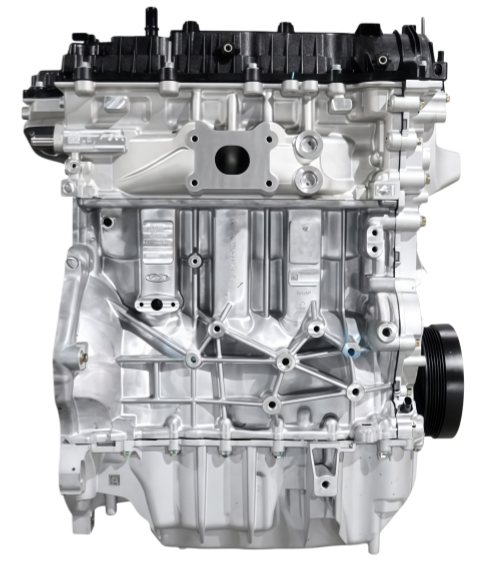
At its core, the SQRF4J20 features an all-aluminum alloy cylinder block and cylinder head, contributing to reduced overall engine weight and improved thermal management. It employs a sophisticated GDI system that precisely injects fuel directly into the combustion chambers, optimizing combustion efficiency and reducing emissions. Dual Variable Valve Timing (DVVT) technology is integrated on both the intake and exhaust camshafts, allowing for continuous optimization of valve overlap and lift across the engine’s RPM range. This system enhances torque delivery at low engine speeds and maximizes power output at higher RPMs, while also improving fuel efficiency and lowering exhaust emissions. The engine is further equipped with an advanced turbocharger, providing responsive power delivery and overcoming the typical lag associated with forced induction systems.
The Jetour SQRF4J20 engine has been primarily deployed across Jetour’s popular SUV models. It powers various trims of the Jetour X70 Plus, the Jetour X90 Plus, and the larger Jetour X95, generally serving as the top-tier engine option. More recently, it has also found application in the rugged Jetour Traveller (also known as T-series), underpinning the brand’s expansion into more adventurous and off-road capable segments. Its production years align with these vehicle launches, typically from 2021 onwards, establishing it as a relatively contemporary offering in the automotive landscape.
Technical Specifications
| Displacement | 1998 cc (2.0 L) |
| Max Power | 254 hp (187 kW) @ 5500 RPM |
| Max Torque | 390 Nm @ 1750-4000 RPM |
| Fuel Type | Gasoline (RON 92 minimum, RON 95 recommended) |
| Fuel Consumption (Combined Cycle) | Approx. 7.5 – 8.5 l/100 km (vehicle dependent) |
| Engine Type | Inline-4, Turbocharged, Gasoline Direct Injection (GDI) |
| Compression Ratio | 9.8:1 |
| Cylinder Bore | 83 mm |
| Piston Stroke | 92 mm |
| Valvetrain | DOHC (Dual Overhead Camshaft), 16-valve, Dual VVT |
| Valves per Cylinder | 4 |
| Additional Info | Aluminum alloy block and head, Electronic Throttle Control |
Common Problems & Reliability
As a modern GDI turbocharged engine, the SQRF4J20 can exhibit certain characteristics common to this engine type. One potential concern is carbon buildup on intake valves. Due to direct fuel injection into the cylinder, fuel does not wash over the intake valves, leading to carbon deposits over time, which can restrict airflow and impact engine performance and efficiency. Regular fuel system cleaner usage and periodic intake manifold cleaning (walnut blasting) can mitigate this. Another area for consideration is the turbocharger system’s longevity. While modern turbos are robust, high-mileage units can eventually develop wear in bearings or seals, leading to increased oil consumption or reduced boost pressure. Monitoring for unusual noises or smoke from the exhaust is advisable. Furthermore, the GDI system’s high-pressure fuel pump and injectors, while efficient, can be susceptible to fuel quality issues and may require attention if misfires or rough idling occur.
Under proper and consistent maintenance, including adherence to manufacturer-specified service intervals and usage of recommended fluids, the Jetour SQRF4J20 engine is expected to achieve a realistic service life of approximately 200,000 to 250,000 kilometers (125,000 to 155,000 miles) before requiring a major overhaul. Proactive addressing of minor issues and quality components are key to maximizing its operational lifespan.
Maintenance Tips & Service Schedule
Optimal performance and longevity of the SQRF4J20 engine hinge on strict adherence to a comprehensive maintenance schedule. Engine oil changes are critical, recommended every 5,000 to 7,500 kilometers (3,000-4,500 miles) or every 6 months, whichever comes first, especially under severe driving conditions. Use only fully synthetic engine oil conforming to API SN/SP or ACEA C3 standards, with a viscosity grade such as 5W-30 or 0W-20 as specified by the manufacturer for local climate. Spark plugs, preferably iridium-tipped, should be inspected and replaced every 40,000 to 60,000 kilometers (25,000-37,000 miles) to maintain efficient combustion.
The engine utilizes a timing chain, which generally does not require routine replacement like a timing belt but should be inspected for wear or excessive slack at higher mileages, typically beyond 150,000 kilometers (90,000 miles). Coolant flushes and replacements are recommended every 2 years or 40,000 kilometers (25,000 miles), using only the specified long-life organic acid technology (OAT) coolant to prevent corrosion and maintain optimal engine temperature. Air filter and cabin filter replacement should occur annually or every 20,000 kilometers (12,000 miles). Regular inspection of the serpentine belt, hoses, and fluid levels is also essential. Consideration for periodic fuel injector cleaning service using professional methods can help prevent carbon buildup issues associated with GDI systems.
Conclusion
The Jetour SQRF4J20 engine represents a robust and modern choice, offering significant power and efficiency for its displacement class. Its advanced features, including GDI and DVVT, ensure a dynamic driving experience. For a used vehicle buyer, an SQRF4J20-equipped car can be a safe and reliable choice, provided the vehicle has a verifiable history of consistent and proper maintenance. Buyers should prioritize vehicles with a clear service record and be prepared to follow the recommended maintenance schedule diligently, particularly regarding oil changes and potential carbon buildup mitigation, to ensure long-term satisfaction and minimize unexpected issues.