
Overview & Design Features
The Tank E20NB is a prominent 2.0-liter, four-cylinder turbocharged gasoline engine developed by Great Wall Motors (GWM), specifically designed for deployment in their Tank brand off-road vehicles. Known for its robust construction and emphasis on torque delivery, this powerplant serves as a cornerstone for Tank models, providing a blend of power suitable for both urban driving and challenging off-road conditions. Its introduction signifies Tank’s commitment to equipping its vehicles with modern, efficient, and capable engines tailored for rugged performance.
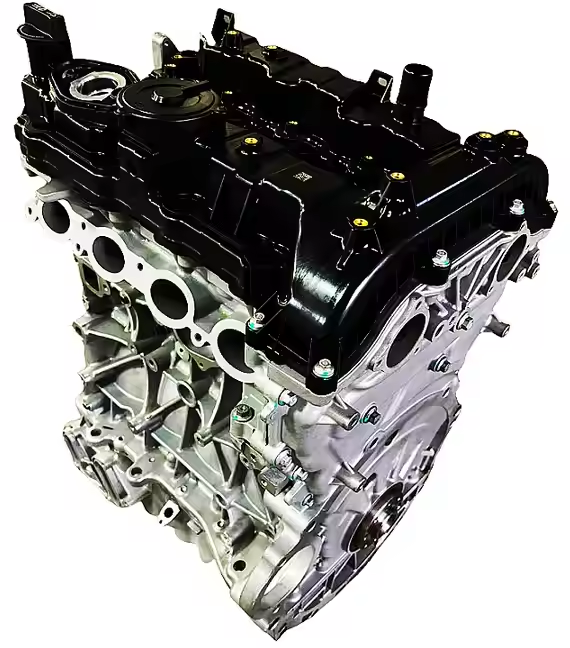
Engineered for durability and performance, the E20NB features an aluminum alloy cylinder block and head, contributing to weight reduction and efficient heat dissipation. Fuel delivery is handled by a sophisticated high-pressure direct injection system, which optimizes fuel atomization and combustion efficiency, thereby improving power output and fuel economy. The valvetrain incorporates Dual Variable Valve Timing (DVVT) on both intake and exhaust camshafts, allowing for precise control over valve overlap and lift, further enhancing torque across the RPM range and reducing emissions. A twin-scroll turbocharger system minimizes turbo lag, providing strong, immediate power delivery from low engine speeds.
The Tank E20NB engine is primarily deployed in the Tank 300, a highly popular compact off-road SUV, starting from its initial production years. It also powers certain variants of other Tank brand vehicles, showcasing its versatility and reliability within the marque’s expanding lineup. While specific trims may vary by region, this engine consistently represents the core internal combustion offering for these models, often paired with an 8-speed or 9-speed automatic transmission.
Technical Specifications
| Specification | Value |
|---|---|
| Displacement (cc) | 1998 |
| Max Power (hp (kW) @ RPM) | 227 (167) @ 5500 |
| Max Torque (Nm (kg*m) @ RPM) | 387 (39.5) @ 1700-4000 |
| Fuel Type | Gasoline (92 RON or higher recommended) |
| Fuel Consumption (l/100 km) | 9.3 (WLTP Combined, Tank 300) |
| Engine Type | Inline 4-cylinder, DOHC, Turbocharged, GDI |
| Compression Ratio | 10.0:1 |
| Cylinder Bore (mm) | 82.5 |
| Piston Stroke (mm) | 92.0 |
| Valvetrain | DOHC, 16 Valves, DVVT |
| Valves per Cylinder | 4 |
| Additional Info | Twin-scroll Turbocharger, High-Pressure Direct Injection, Dual Variable Valve Timing |
Common Problems & Reliability
The Tank E20NB, while generally considered robust, exhibits a few common areas requiring attention, typical for modern direct-injected turbocharged engines. First, carbon buildup on intake valves can occur due to the absence of fuel washing the back of the valves. This can lead to reduced airflow, decreased performance, and rough idling over extended mileage. Regular use of top-tier fuels and occasional intake system cleaning can mitigate this issue. Second, the high-pressure fuel pump (HPFP) is a critical component; premature wear or failure can manifest as fuel delivery problems or engine misfires. Lastly, given its turbocharged nature, careful adherence to oil change intervals is crucial to maintain turbocharger bearing lubrication and longevity. Neglecting oil quality or frequency can shorten the lifespan of the turbocharger.
Under a regimen of proper maintenance and responsible driving, the Tank E20NB engine is engineered to provide a service life of approximately 250,000 to 300,000 kilometers (155,000 to 186,000 miles) before potentially requiring a major overhaul. Adherence to manufacturer service recommendations is paramount for achieving this expected longevity.
Maintenance Tips & Service Schedule
Proactive maintenance is key to the long-term reliability and performance of the Tank E20NB engine. Regular engine oil and filter changes are critical; the use of a high-quality synthetic oil meeting the manufacturer’s specified viscosity (e.g., 5W-30 or 0W-20, depending on climate and specific model year) is recommended every 10,000 kilometers (6,000 miles) or annually, whichever comes first. For vehicles subjected to heavy off-road use or towing, shorter intervals of 5,000-7,500 kilometers (3,000-4,500 miles) are advisable.
Spark plugs should typically be replaced every 40,000-60,000 kilometers (25,000-37,000 miles) to ensure optimal ignition and fuel efficiency. The engine employs a timing chain system, which generally requires inspection rather than routine replacement; however, monitoring for unusual noises (e.g., rattling) can indicate potential wear, necessitating inspection around 150,000-200,000 kilometers (93,000-124,000 miles). Coolant flushes and replacement are recommended every 60,000-80,000 kilometers (37,000-50,000 miles) or every 3-4 years to maintain cooling system efficiency and prevent corrosion. Air filters should be checked regularly and replaced as needed, typically every 15,000-20,000 kilometers (9,000-12,000 miles), especially in dusty environments.
Conclusion
The Tank E20NB engine represents a competent and reliable powertrain for the Tank brand’s lineup, particularly excelling in the Tank 300. Its modern design, incorporating direct injection and turbocharging, delivers a robust blend of power and efficiency suitable for a variety of driving conditions, including demanding off-road excursions. For a used vehicle buyer, this engine can be considered a safe and dependable choice, provided the vehicle has a documented history of consistent and diligent maintenance. Attention to typical direct-injection nuances like carbon buildup prevention and strict adherence to the oil change schedule will ensure a long and trouble-free ownership experience.