
Overview & Design Features
The Tank E20NA is a prominent 2.0-liter turbocharged inline-four gasoline engine developed by Tank Motors, serving as a cornerstone power plant for its mid-size vehicle range since its introduction. Known for its robust construction and balance of performance with fuel efficiency, the E20NA represents Tank’s commitment to modern powertrain engineering. Its architecture prioritizes a compact footprint, making it adaptable across various chassis designs, and it has played a significant role in establishing Tank’s presence in competitive automotive segments.
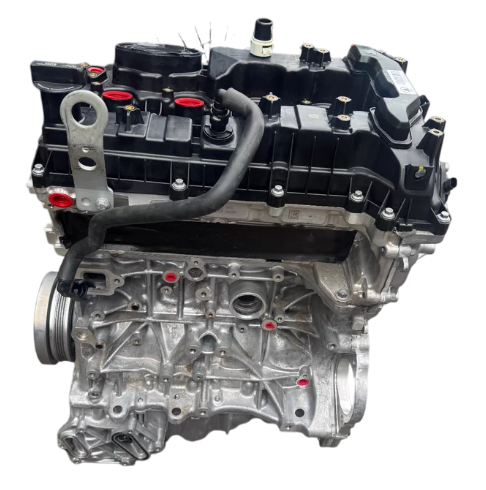
Engineered with an all-aluminum cylinder block and cylinder head, the E20NA features a lightweight yet rigid structure. Fuel delivery is handled by a sophisticated direct injection system (GDI), optimizing combustion efficiency and power output across the RPM range. The valvetrain incorporates Dual Overhead Camshafts (DOHC) with Tank’s proprietary Variable Valve Timing (VVT) system on both intake and exhaust sides, allowing for precise control over valve overlap and lift to maximize torque delivery and minimize emissions. Forced induction is provided by a twin-scroll turbocharger, which enhances responsiveness and broadens the powerband, effectively mitigating turbo lag.
The Tank E20NA engine was first deployed in the 2020 Tank Explorer SUV, specifically in its Premium and Limited trims. Subsequently, it became a standard option for the Tank Vanguard sedan starting from its 2021 model year, offered in the Elite and Sport variants. From 2022 onwards, the E20NA has also powered select versions of the Tank Frontier pickup truck for international markets, providing a blend of utility and respectable towing capabilities.
Technical Specifications
| Displacement | 1998 cc |
| Max Power | 245 hp (183 kW) @ 5800 RPM |
| Max Torque | 370 Nm (37.7 kg*m) @ 1800-4000 RPM |
| Fuel Type | Premium Unleaded Gasoline (95 RON minimum) |
| Fuel Consumption (Combined) | 7.8 l/100 km |
| Engine Type | Inline 4-Cylinder, Turbocharged, Direct Injection (GDI) |
| Compression Ratio | 10.0:1 |
| Cylinder Bore | 86.0 mm |
| Piston Stroke | 86.0 mm |
| Valvetrain | DOHC, Dual Variable Valve Timing (VVT) |
| Valves per Cylinder | 4 |
| Additional Info | Aluminum Block and Head, Twin-Scroll Turbocharger, Roller Rocker Arm System |
Common Problems & Reliability
While generally reliable, the Tank E20NA engine exhibits a few common issues typical of modern turbocharged direct-injection units. One prevalent concern is carbon buildup on the intake valves. Due to direct injection, fuel does not wash over the intake valves, allowing oil vapors from the PCV system to deposit carbon, which can restrict airflow and reduce engine efficiency over time. Symptoms include rough idling, reduced power, and increased fuel consumption, typically manifesting after 80,000-100,000 kilometers.
Another area requiring attention can be the Positive Crankcase Ventilation (PCV) system. Failures within the PCV valve or associated hoses can lead to excessive oil consumption, oil leaks, or unmetered air entering the intake, potentially causing drivability issues and triggering “Check Engine” lights. Early diagnosis of PCV system issues is crucial to prevent secondary problems.
Less frequently, but notably in higher mileage examples, some instances of timing chain stretch or tensioner wear have been reported. While designed for the life of the engine, extended oil change intervals or consistent hard driving can accelerate wear. Audible rattling noises from the front of the engine, especially on cold starts, indicate potential timing chain issues that require prompt inspection to prevent catastrophic engine damage.
With diligent adherence to the manufacturer’s maintenance schedule and addressing common issues proactively, the Tank E20NA engine can realistically achieve a service life exceeding 250,000 kilometers before requiring a major overhaul.
Maintenance Tips & Service Schedule
Proper maintenance is paramount for the longevity and performance of the Tank E20NA engine. Adhering to the following schedule and recommendations is advised:
- Engine Oil & Filter: Replace every 10,000 kilometers or 12 months, whichever comes first. Use a high-quality, full synthetic engine oil conforming to API SN PLUS or SP standards, with a viscosity of 5W-30 or 0W-20 as specified by the manufacturer for specific climate conditions.
- Spark Plugs: Replace every 60,000 kilometers. Using genuine Tank iridium-tipped spark plugs is critical for optimal combustion and to prevent misfires.
- Air Filter: Inspect annually and replace every 30,000 kilometers, or more frequently if operating in dusty conditions.
- Cabin Air Filter: Replace every 20,000 kilometers or annually to maintain interior air quality.
- Fuel Filter: The E20NA’s fuel filter is typically integrated into the fuel pump module and designed for long service life, often not requiring scheduled replacement. Refer to manufacturer specifications.
- Coolant: Flush and replace every 150,000 kilometers or 5 years using only the specified long-life OAT (Organic Acid Technology) coolant to prevent corrosion and maintain cooling system efficiency.
- Direct Injection System Cleaning: Consider an intake valve carbon cleaning service (e.g., walnut blasting) every 80,000-100,000 kilometers to mitigate carbon buildup, especially if symptoms of reduced performance or efficiency arise.
- Timing Chain: While generally maintenance-free, a proactive inspection of the timing chain and tensioner for wear or stretch is recommended at 150,000 kilometers, especially if any unusual engine noises are present.
Conclusion
The Tank E20NA engine stands as a competitive and generally reliable powertrain for used vehicle buyers. It offers a commendable balance of strong turbocharged performance and reasonable fuel economy, making it a suitable choice for daily driving and longer journeys. Its widespread application across various Tank models means parts and service expertise are readily available.
However, prospective buyers must be aware of its specific maintenance requirements, particularly regarding carbon buildup mitigation and the importance of using high-quality synthetic oil at appropriate intervals. A vehicle equipped with the E20NA engine that has a comprehensive service history demonstrating adherence to factory maintenance schedules is a safe and robust option. Conversely, units with neglected maintenance may present higher risks regarding the common issues discussed, potentially leading to costly repairs.