
Overview & Design Features
The Tank E20CB, officially designated as the GW4C20B by its manufacturer Great Wall Motor (GWM), is a modern 2.0-liter (1967 cc) turbocharged inline-four gasoline engine. It represents a cornerstone of Tank’s powertrain strategy, balancing robust performance with contemporary efficiency standards. Primarily designed for the brand’s rugged SUV and off-road vehicle lineup, the E20CB engine is engineered to deliver strong low-end torque essential for its intended applications, while also providing refined power delivery for on-road driving. Its introduction marked a significant step in Tank’s commitment to developing proprietary, high-performance engines tailored for the brand’s distinct market segment.
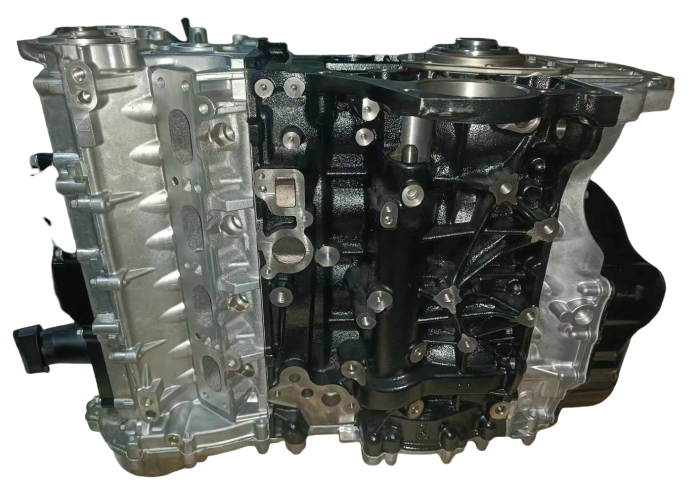
At its core, the E20CB features an all-aluminum construction for both its cylinder block and cylinder head, contributing to reduced overall vehicle weight and improved thermal management. Fuel delivery is handled by a sophisticated direct fuel injection system, which precisely atomizes fuel directly into the combustion chambers, optimizing combustion efficiency and reducing emissions. This engine also incorporates advanced variable valve timing (VVT) on both intake and exhaust camshafts, allowing for dynamic adjustment of valve overlap to maximize power across the RPM range and enhance fuel economy. A single twin-scroll turbocharger is employed to minimize turbo lag and deliver a broad, flat torque curve, ensuring responsive acceleration and ample power reserves.
The Tank E20CB engine is widely deployed across several prominent models within the Tank brand’s portfolio. It serves as a primary powertrain option for the popular Tank 300, particularly in its entry to mid-level trims, providing a capable and efficient driving experience. Furthermore, it can be found powering certain configurations of the larger Tank 500, often in markets or trims where a robust 2.0L turbocharged option is preferred. Production years typically span from its initial introduction in the early 2020s, reflecting its status as a contemporary and actively utilized engine within the brand’s current vehicle offerings.
Technical Specifications
| Displacement | 1967 cc |
| Max Power | 224 hp (165 kW) @ 5500 RPM |
| Max Torque | 387 Nm @ 1500-4000 RPM |
| Fuel Type | Gasoline (Unleaded, Premium Recommended) |
| Fuel Consumption (Combined) | ~9.3 – 10.5 l/100 km (Varies by vehicle model & drivetrain) |
| Engine Type | Inline-4, Turbocharged, DOHC |
| Compression Ratio | 9.6:1 |
| Cylinder Bore | 82.5 mm |
| Piston Stroke | 92.0 mm |
| Valvetrain | DOHC (Double Overhead Camshaft) |
| Valves per Cylinder | 4 |
| Additional Info | Direct Fuel Injection (GDI), Variable Valve Timing (VVT) |
Common Problems & Reliability
The Tank E20CB, like many modern direct-injected turbocharged engines, can exhibit specific issues over its lifespan. A common concern is the potential for carbon buildup on the intake valves. This phenomenon is inherent to direct injection systems, where fuel does not wash over the intake valves, leading to carbonized oil vapors accumulating over time. Symptoms include rough idling, reduced power, and decreased fuel efficiency, often requiring walnut blasting or chemical cleaning around the 80,000-120,000 km mark.
Another area requiring attention can be the turbocharger assembly. Given the high temperatures and rotational speeds involved, the turbocharger’s bearings and seals are susceptible to wear, especially if oil change intervals are neglected or low-quality oil is used. Early signs of turbo issues include excessive exhaust smoke, a whining sound, or a noticeable loss of boost pressure. Less common, but still possible, are issues related to the variable valve timing (VVT) actuators or solenoids, which can lead to irregular engine performance if not properly maintained.
Under a regime of diligent maintenance, including regular oil changes with manufacturer-specified lubricants and adherence to service schedules, the Tank E20CB is generally a robust and reliable engine. An expected service life before requiring a major overhaul is realistically in the range of 250,000 to 300,000 kilometers. Neglecting maintenance, particularly oil quality and frequency, significantly reduces this projected lifespan.
Maintenance Tips & Service Schedule
Optimal longevity and performance from the Tank E20CB engine depend on strict adherence to a proactive maintenance schedule. Engine oil and filter changes are paramount, recommended every 7,500 to 10,000 kilometers or every six to twelve months, whichever comes first. The use of a fully synthetic oil, typically a 5W-30 or 0W-20 grade, meeting the manufacturer’s specific API or ACEA standards, is critical for turbocharger health and overall engine protection.
Spark plugs should be inspected and replaced every 40,000 to 60,000 kilometers, as their condition directly impacts combustion efficiency and prevents misfires that can stress other engine components. The engine utilizes a robust timing chain system, which typically does not require scheduled replacement but should be inspected for wear or excessive slack around the 150,000-kilometer mark during major services. Coolant flushes are advised every 60,000 to 100,000 kilometers or every 3-5 years, using the specified long-life coolant to prevent corrosion and maintain cooling system efficiency. Regular inspection and replacement of air filters, cabin filters, and fuel filters (if externally mounted) are also crucial for maintaining optimal engine operation and cabin air quality.
Conclusion
The Tank E20CB engine presents a compelling blend of power, efficiency, and modern engineering for the Tank vehicle lineup. Its direct injection and turbocharging technologies deliver strong performance characteristics well-suited for SUVs and off-road applications. For a used vehicle buyer, this engine can be considered a safe and reliable choice, provided that a comprehensive service history is available, demonstrating consistent adherence to manufacturer-recommended maintenance. While susceptible to common issues associated with modern GDI turbo engines like carbon buildup, these are generally manageable with preventative care. With proper maintenance, the E20CB is capable of delivering many years of dependable service.