
Overview & Design Features
The Tank GW4C20B is a formidable 2.0-liter turbocharged four-cylinder gasoline engine developed by Great Wall Motors (GWM). It represents a cornerstone of GWM’s powertrain strategy, particularly for its robust Tank brand of off-road-focused SUVs. Introduced as a modern, high-performance engine, the GW4C20B is engineered to deliver a balance of power, torque, and efficiency, crucial for both urban driving and challenging off-road conditions, positioning GWM as a significant player in the automotive segment.
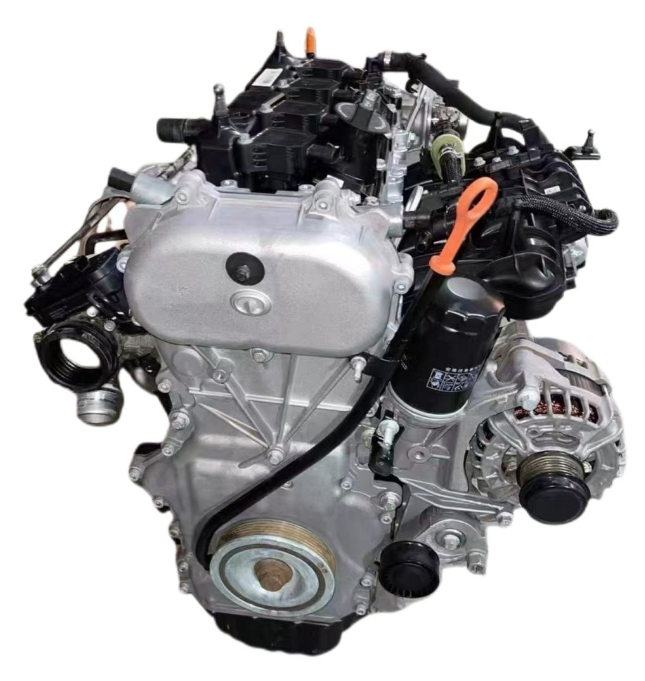
This engine incorporates advanced engineering features to achieve its performance metrics and comply with contemporary emissions standards. It features an aluminum alloy cylinder block and cylinder head, contributing to a lighter overall engine weight and improved thermal management. Fuel delivery is handled by a sophisticated direct fuel injection (GDI) system, which precisely meters fuel directly into the combustion chambers for enhanced efficiency and power output. The valvetrain utilizes a Dual Overhead Camshaft (DOHC) design with Variable Valve Timing (VVT) on both intake and exhaust camshafts, optimizing valve overlap and lift across the RPM range for improved response and fuel economy.
The Tank GW4C20B engine is primarily deployed in vehicles under GWM’s Tank brand. Its most prominent application is in the Tank 300 SUV, across various trims, from its initial release in 2020 onwards. It also serves as the internal combustion component in certain hybrid electric vehicle (PHEV) configurations within the Tank lineup, showcasing its adaptability and modern design.
Technical Specifications
| Specification | Value |
|---|---|
| Displacement (cc) | 1967 |
| Max Power (hp (kW) @ RPM) | 227 (167) @ 5500 |
| Max Torque (Nm (kg*m) @ RPM) | 387 (39.5) @ 1700-4000 |
| Fuel Type | Gasoline (RON 92-95 recommended) |
| Fuel Consumption (l/100 km) | ~9.3 (Combined Cycle, Tank 300) |
| Engine Type | Inline-4, DOHC, Turbocharged, Direct Injection |
| Compression Ratio | 9.6:1 |
| Cylinder Bore (mm) | 82.5 |
| Piston Stroke (mm) | 92.0 |
| Valvetrain | DOHC with Dual VVT |
| Valves per Cylinder | 4 |
| Additional Info | Aluminum alloy block and head, Electronic throttle control |
Common Problems & Reliability
- Carbon Buildup on Intake Valves: As a direct injection (GDI) engine, the GW4C20B is susceptible to carbon accumulation on the intake valves due to the absence of fuel washing over them. This can lead to reduced airflow, decreased performance, and potential misfires over time if not addressed.
- Turbocharger Longevity: While generally robust, like any turbocharged unit, the turbocharger assembly on the GW4C20B can experience wear or failures, particularly if proper oil change intervals and cool-down procedures are neglected. Symptoms include excessive smoke from the exhaust, unusual noises, or noticeable power loss.
- High-Pressure Fuel Pump (HPFP) Issues: GDI systems rely on an HPFP which operates under immense pressure. Failures can manifest as rough idling, stalling, or a noticeable drop in fuel pressure, often accompanied by diagnostic trouble codes.
With diligent maintenance and proper driving habits, the Tank GW4C20B engine is designed for a realistic service life of approximately 250,000 to 300,000 kilometers before requiring a major overhaul.
Maintenance Tips & Service Schedule
- Engine Oil: Regular oil changes are paramount for turbocharged engines. Use a fully synthetic engine oil conforming to manufacturer specifications (e.g., API SP or equivalent, 0W-20 or 5W-30 viscosity, depending on climate). Adhere to service intervals of 10,000 kilometers or 12 months, whichever comes first. For severe driving conditions (heavy off-roading, frequent short trips, extreme temperatures), consider reducing this interval to 7,500 kilometers.
- Spark Plugs: Inspect and replace spark plugs with OEM-specified iridium or platinum plugs every 30,000 to 45,000 kilometers to ensure efficient combustion and prevent misfires.
- Timing Chain: The GW4C20B utilizes a timing chain system, which is generally designed to last the lifetime of the engine. However, regular oil changes are crucial for chain longevity. Inspect for abnormal noise at higher mileages (e.g., over 150,000 km).
- Coolant System: Perform a coolant flush and replacement every 60,000 kilometers or every 3-4 years using the manufacturer’s specified long-life coolant. This maintains optimal engine temperature regulation and prevents corrosion.
- Air Filter: Inspect the engine air filter at every service and replace it every 15,000-20,000 kilometers or more frequently in dusty environments.
- Fuel System Cleaning: Given its GDI nature, periodic fuel system cleaner additives or professional intake valve cleaning (walnut blasting) may be beneficial every 80,000-100,000 kilometers to mitigate carbon buildup.
Conclusion
The Tank GW4C20B engine is a capable and modern powertrain, providing ample performance and advanced features for its applications. For a used vehicle buyer, it represents a generally reliable choice, provided the previous ownership adhered strictly to recommended maintenance schedules. Its direct injection and turbocharging technologies demand higher quality lubricants and consistent servicing to ensure long-term durability. While potential GDI-specific issues like carbon buildup require awareness, these are manageable with proactive maintenance. Overall, a well-maintained GW4C20B engine can offer many years of dependable service in a used vehicle.