
From 2011 to 2015, the company produced the 2.0-liter Volkswagen CKTB diesel engine, which was mounted on the widely used Crafter minibuses and small trucks. 2015 saw the release of an upgraded version of this power unit with a unique CSLA index.
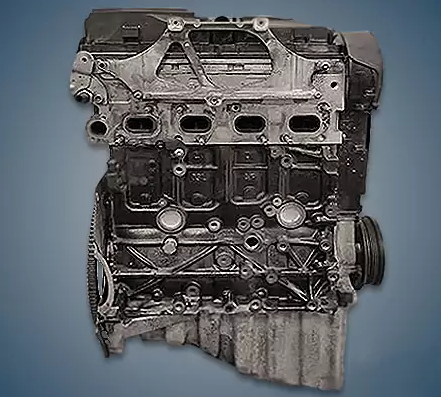
The following are also included in the EA189 series: CAYC, CAAC, CAGA, CAHA, CBAB, CFCA, CFGB, CLCA, CLJA, CKTB, CFHC, and CKUB.
Specifications
| Production years | 2011-2015 |
| Displacement, cc | 1968 |
| Fuel system | Common Rail |
| Power output, hp | 109 |
| Torque output, Nm | 300 |
| Cylinder block | cast iron R4 |
| Block head | aluminum 16v |
| Cylinder bore, mm | 81 |
| Piston stroke, mm | 95.5 |
| Compression ratio | 16.0 |
| Features | DOHC |
| Hydraulic lifters | yes |
| Timing drive | belt |
| Phase regulator | no |
| Turbocharging | Garrett GTC1446VMZ |
| Recommended engine oil | 5W-30 |
| Engine oil capacity, liter | 7.0 |
| Fuel type | diesel |
| Euro standards | EURO 5 |
| Fuel consumption, L/100 km (for VW Crafter 2012) — city — highway — combined |
9.9 7.2 8.2 |
| Engine lifespan, km | ~400 000 |
| Weight, kg | 170 |
The engine was installed on:
- Volkswagen Crafter 1 (2E) in 2011 – 2015.
Disadvantages of the VW CKTB engine
With electromagnetic injectors, this diesel engine is straightforward and incredibly dependable.
The unit doesn’t cause much trouble if it is properly maintained and has regular oil changes.
The valves bend when the timing belt breaks because it doesn’t always run the recommended 200,000 kilometers.
Additionally, it may jump if a broken alternator belt gets underneath it.
The remaining issues are associated with the EGR valve and particulate filter pollution.