
The N52B25 is a 2.5-liter engine with six cylinders that is part of the new N52 series, which also includes the N52B30. In contrast to earlier iterations of the M-family, the N52B25 is a brand-new engine that replaced the well-liked M54B25 in 2005. The N52 has a redesigned crankshaft, a new lightweight connecting rod and piston group, and an even lighter magnesium-aluminum cylinder block.
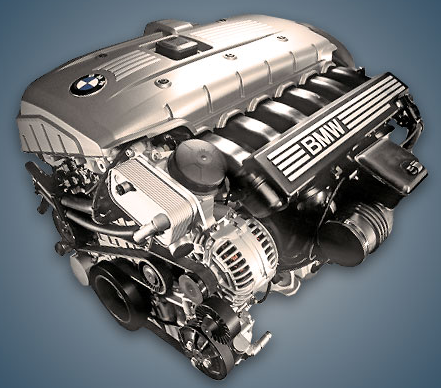
The N52B25 employs an upgraded cylinder head with the well-known Double-VANOS system, which modifies the valve timing on two shafts. A Valvetronic valve lift change system was also installed, improving output and fuel economy. The Siemens MSV70 engine management system, a DISA variable-length manifold at the inlet, nozzles installed in the cylinder head, and a chain are used for the timing drive.
BMW vehicles with the index 23i and 25i were equipped with this motor.
Specifications
| Production years | 2005-2011 |
| Displacement, cc | 2497 |
| Fuel system | injector |
| Power output, hp | 177 – 218 |
| Torque output, Nm | 230 – 250 |
| Cylinder block | aluminum R6 |
| Block head | aluminum 24v |
| Cylinder bore, mm | 82 |
| Piston stroke, mm | 78.8 |
| Compression ratio | 11.0 |
| Features | Valvetronic, DISA |
| Hydraulic lifters | yes |
| Timing drive | chain |
| Phase regulator | double VANOS |
| Turbocharging | no |
| Recommended engine oil | 5W-30 |
| Engine oil capacity, liter | 6.5 |
| Fuel type | petrol |
| Euro standards | EURO 4/5 |
| Fuel consumption, L/100 km (for E60 523i) — city — highway — combined |
12.1 6.4 9.3 |
| Engine lifespan, km | ~250 000 |
Disadvantages of the N52B25 engine
The N52B25 engine’s primary issues are increased oil consumption, ticking noises, and floating revs.
Oil scraper rings are typically associated with high oil consumption. They coke fairly quickly and are very thin. The valve stem seals might be the cause. Even before reaching the 100,000-kilometer mark, the issue arises. The rings and caps should be changed, and the system’s condition should be routinely inspected. Additionally, it is advised to examine the crankcase ventilation valve’s condition.
Catalyst clogging will result from the current issue if the high oil consumption is ignored. In this situation, it will be necessary to either use cheap flame arresters or provide new catalysts, which will be costly.
These are characteristics of power units built prior to 2009 when the engine makes a ticking sound. The unit is not in danger because of this.
A malfunction in the Valvetronic system, Vanos valves, or a flow meter can cause floating revolutions. The Vanos system may cause issues if it is not properly maintained. The use of subpar working fluids is typically the cause of system failure. A flush is done to get the system back up and running. A replacement is necessary if the issue continues.
Examine the cooling system, pump, and radiator cleanliness if the engine overheats. Every 100,000 kilometers, the pump must be replaced. Use the oil that the manufacturer recommends.