
The N52B30 is the first six-cylinder engine in the new N52 range, which also includes the N52B25. With a new lightweight magnesium-aluminum cylinder block, a different crankshaft, and a lightweight connecting rod and piston group, the N52B30 is an entirely new engine in contrast to its predecessor (M54B30).
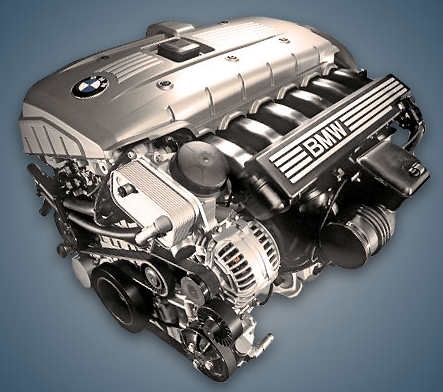
The engine has a new cylinder head with a Double-VANOS variable valve timing system on the intake and exhaust camshafts. The Valvetronic II valve lift change system has been added for even higher efficiency. They range in height from 0.18 mm to 9.9 mm. Phase 255/263 exhaust valves, 9.7 mm. The intake and exhaust valves have diameters of 34.2 mm and 29 mm, respectively. A Siemens MSV70 engine management system, a DISA variable-length manifold at the inlet, a chain for timing, and injectors have all been moved to the cylinder head.
Depending on the modification, BMW vehicles with the 25i, 28i, and 30i index were equipped with the N52B30 engine.
Specifications
| Production years | 2004-2011 |
| Displacement, cc | 2996 |
| Fuel system | injector |
| Power output, hp | 218 – 272 |
| Torque output, Nm | 270 – 315 |
| Cylinder block | aluminum R6 |
| Block head | aluminum 24v |
| Cylinder bore, mm | 85 |
| Piston stroke, mm | 88 |
| Compression ratio | 10.7 |
| Features | Valvetronic, DISA |
| Hydraulic lifters | yes |
| Timing drive | chain |
| Phase regulator | double VANOS |
| Turbocharging | no |
| Recommended engine oil | 5W-30 |
| Engine oil capacity, liter | 6.5 |
| Fuel type | petrol |
| Euro standards | EURO 4/5 |
| Fuel consumption, L/100 km (for E87 130i) — city — highway — combined |
13.6 6.6 9.2 |
| Engine lifespan, km | ~275 000 |
Disadvantages of the N52B30 engine
Oil burns and tanning of valve stem seals are common after 100,000 kilometers.
This engine’s crankcase ventilation valve membrane is also short-lived, which causes gradual coking and ultimately unstable engine operation; floating engine speeds are typically caused by a Valvetronic or Vanos system malfunction; electrically, the oil level sensor is frequently defective, which is prone to oil starvation; and hydraulic lifters clatter during a cold start in power units manufactured between 2004 and 2009.