
From 2003 to 2012, the 3.0-liter V6 Toyota 3GR-FSE engine was manufactured at the plant in Japan. It was fitted to the third generation Lexus GS300 sedans as well as popular rear-wheel drive and all-wheel drive models like the Crown and Mark X.
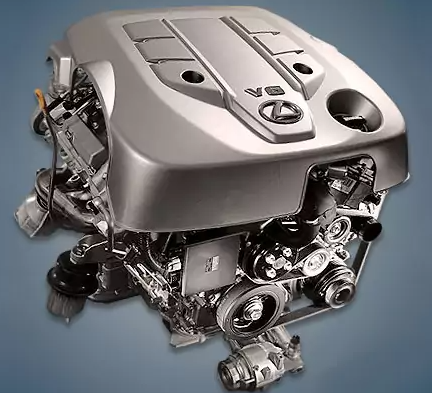
A 3.0-liter V6 engine made its debut on the new Crown model in 2003. This model was different from its GR counterparts in that it had a D-4 direct fuel injection system. This is a straightforward V-shaped six with an aluminum block, a 60° cylinder camber angle, two DOHC cylinder heads with hydraulic compensators, a VVT-i phase regulator on four camshafts, an intake manifold with an ACIS-style variable geometry system, and a timing chain.
A compressor version of this engine was installed in the first generation’s redesigned Mark X. This engine produced 320 horsepower and 412 Nm of torque because of the TX15 drive supercharger.
The engine was mounted on:
- Toyota Crown 12 (S180) in 2003 – 2008; Crown 13 (S200) in 2008 – 2012;
- Toyota Mark X 1 (X120) in 2004 – 2009;
- Lexus GS300 3 (S190) in 2005 – 2011.
Specifications
| Production years | 2003-2012 |
| Displacement, cc | 2994 |
| Fuel system | direct injection |
| Power output, hp | 250 – 256 (atmospheric modification) 320 (supercharged modification) |
| Torque output, Nm | 310 – 314 (atmospheric modification) 412 (supercharged modification) |
| Cylinder block | aluminum V6 |
| Block head | aluminum 24v |
| Cylinder bore, mm | 87.5 |
| Piston stroke, mm | 83 |
| Compression ratio | 11.5 (atmospheric modification) 10.5 (supercharged modification) |
| Hydraulic lifters | yes |
| Timing drive | chain |
| Phase regulator | VVT-i |
| Recommended engine oil | 5W-20, 5W-30 |
| Engine oil capacity, liter | 6.3 |
| Fuel type | petrol |
| Euro standards | EURO 4 |
| Fuel consumption, L/100 km (for Lexus GS300 2007) — city — highway — combined |
14.0 7.0 9.5 |
| Engine lifespan, km | ~400 000 |
| Weight, kg | 178 |
Disadvantages of the 3GR-FSE engine
The appearance of scoring in the fifth cylinder is this engine’s most well-known issue. A gap in the air filter that allows dust to enter the combustion chambers or local overheating brought on by design flaws are the two explanations offered for their appearance.
Production conducted a recall campaign for power units from 2006 to 2008 in order to replace faulty valve springs, which could crack because of metal impurities.
Phase regulator crackling at startup is a common annoyance for owners of GR series engines. While replacing just the sprockets can occasionally be helpful, many people need to purchase new couplings.
Additionally, they complain on specialized forums about the constantly leaking pump, short-lived ignition coils, sensitive lambda probes and AFS mixture composition sensors, and their inability to put up with subpar gasoline. There are leaks at the cylinder head joints or fuel pipe corrosion on the engines from the early years.