
The 4-cylinder Mercedes M111 E18 engine took the place of the M102 series’ E18 engine in 1993. Although the engine is smaller than its predecessor, the cylinder head is made of light alloy metal, and the block is likewise composed of cast iron. The owners claim that this engine is among Mercedes’s most popular and successful models.
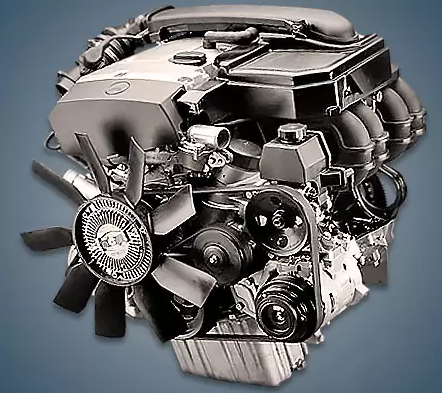
M102, M111 E18, M111 E20, M111 E22, M111 E23, M166, M254, M260, M264, M266, M270, M271, M274, and M282 are the R4 Mercedes engines.
Specifications
| Production years | 1993-2000 |
| Displacement, cc | 1799 |
| Fuel system | injector |
| Power output, hp | 122 |
| Torque output, Nm | 170 |
| Cylinder block | cast iron R4 |
| Block head | aluminum 16v |
| Cylinder bore, mm | 85.3 |
| Piston stroke, mm | 78.7 |
| Compression ratio | 9.8 |
| Features | no |
| Hydraulic lifters | yes |
| Timing drive | chain |
| Phase regulator | at the intake |
| Turbocharging | no |
| Recommended engine oil | 5W-40 |
| Engine oil capacity, liter | 5.5 |
| Fuel type | petrol |
| Euro standards | EURO 2/3 |
| Fuel consumption, L/100 km (for C180 W202) — city — highway — combined |
12.7 7.2 8.5 |
| Engine lifespan, km | ~400 000 |
| Weight, kg | 167 |
Disadvantages of the M111 E18 engine
Above all, the number of grease leaks increases with mileage and will cause you problems.
Fuel consumption rises in the event that the mass air flow sensor malfunctions.
The engine’s water pump nearly always begins to leak after 100,000 kilometers.
Piston skirts frequently wear out or the exhaust cracks after 100 to 200 thousand kilometers.
The timing chain drive or oil pump already needs maintenance after 200–250 thousand kilometers.