
Popular models like the Golf, Jetta, and Polo were equipped with the 1.3-liter Volkswagen MH carbureted engine, which was manufactured between 1985 and 1992. The Pierburg 2E3 carburetor, which was well-known at the time, was installed in this power unit.
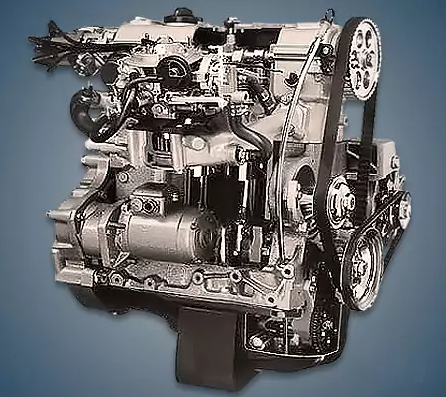
MH and NZ are part of the EA111-1.3 series.
Specifications
| Production years | 1985-1992 |
| Displacement, cc | 1272 |
| Fuel system | carburetor |
| Power output, hp | 54 |
| Torque output, Nm | 95 |
| Cylinder block | cast iron R4 |
| Block head | aluminum 8v |
| Cylinder bore, mm | 75 |
| Piston stroke, mm | 72 |
| Compression ratio | 9.5 |
| Features | SOHC |
| Hydraulic lifters | yes |
| Timing drive | belt |
| Phase regulator | no |
| Turbocharging | no |
| Recommended engine oil | 5W-40 |
| Engine oil capacity, liter | 3.5 |
| Fuel type | petrol |
| Euro standards | EURO 0 |
| Fuel consumption, L/100 km (for VW Golf 2 1986) — city — highway — combined |
9.2 6.1 7.1 |
| Engine lifespan, km | ~275 000 |
The engine was installed on:
- Volkswagen Golf 2 (1G) in 1985 – 1992;
- Volkswagen Jetta 2 (1G) in 1985 – 1992;
- Volkswagen Polo 2 (80) in 1985 – 1989.
Disadvantages of the VW MH engine
The majority of the issues with this straightforward and dependable device are age-related.
Owners typically complain about Pierburg 2E3 carburetor issues.
Regular ignition system failures rank second in terms of popularity.
Keep an eye on the timing belt’s condition because it has limited resources and bends the valves when it breaks.
Oil presses through the dipstick when there is a lot of frost because the crankcase ventilation frequently freezes.