What Does Code P0005 Mean?
The diagnostic trouble code P0005, “Fuel Shutoff Valve Control Circuit/Open,” indicates that the Engine Control Module (ECM), also known as the Powertrain Control Module (PCM), has detected an open circuit within the electrical control pathway for the Fuel Shutoff Valve (FSV). The FSV is a critical component designed to interrupt fuel flow to the engine, typically for safety, anti-theft, or controlled engine shutdown purposes. In many modern vehicles, particularly common rail diesels and some gasoline direct injection systems, the FSV is an electrically actuated solenoid valve that, when energized or de-energized (depending on its default state), allows or restricts fuel flow. The ECM continuously monitors the control circuit’s integrity by checking for appropriate voltage levels, current draw, or resistance across the solenoid coil. An “open” condition signifies a complete break in the electrical circuit, meaning no current can flow to operate the valve. This prevents the ECM from either opening the valve to allow fuel delivery (leading to a no-start condition) or closing it when commanded (potentially causing an inability to shut off the engine or an unintended stall if it fails open initially and then cannot be commanded closed).
Common Symptoms
- Engine cranks but does not start.
- Complete no-start condition.
- Engine stalls immediately after starting.
- Illuminated Check Engine Light (CEL).
- Inability to shut off the engine (less common for “open circuit” but possible if the valve is stuck open and cannot be commanded closed).
What Causes the Code P0005?
- Faulty Fuel Shutoff Valve (FSV) Solenoid: An internal open circuit or excessively high resistance within the solenoid coil itself.
- Wiring Harness Damage: An open circuit (break) in the power supply wire or ground wire leading to the FSV. This can result from chafing, cuts, rodent damage, or corrosion within the wiring insulation.
- Damaged or Corroded Connector: Loose, corroded, or bent pins within the electrical connector for the FSV, leading to a poor or open connection.
- Blown Fuse: A fuse providing power to the FSV circuit may have blown, creating an open circuit on the power side.
- Faulty ECM/PCM Driver: An internal failure within the ECM/PCM’s driver circuit responsible for supplying power or ground to the FSV. This is less common but can occur.
How to Diagnose and Troubleshoot
Diagnosing P0005 requires meticulous electrical system testing. Always begin by ensuring the vehicle’s battery voltage is sufficient and in good health.
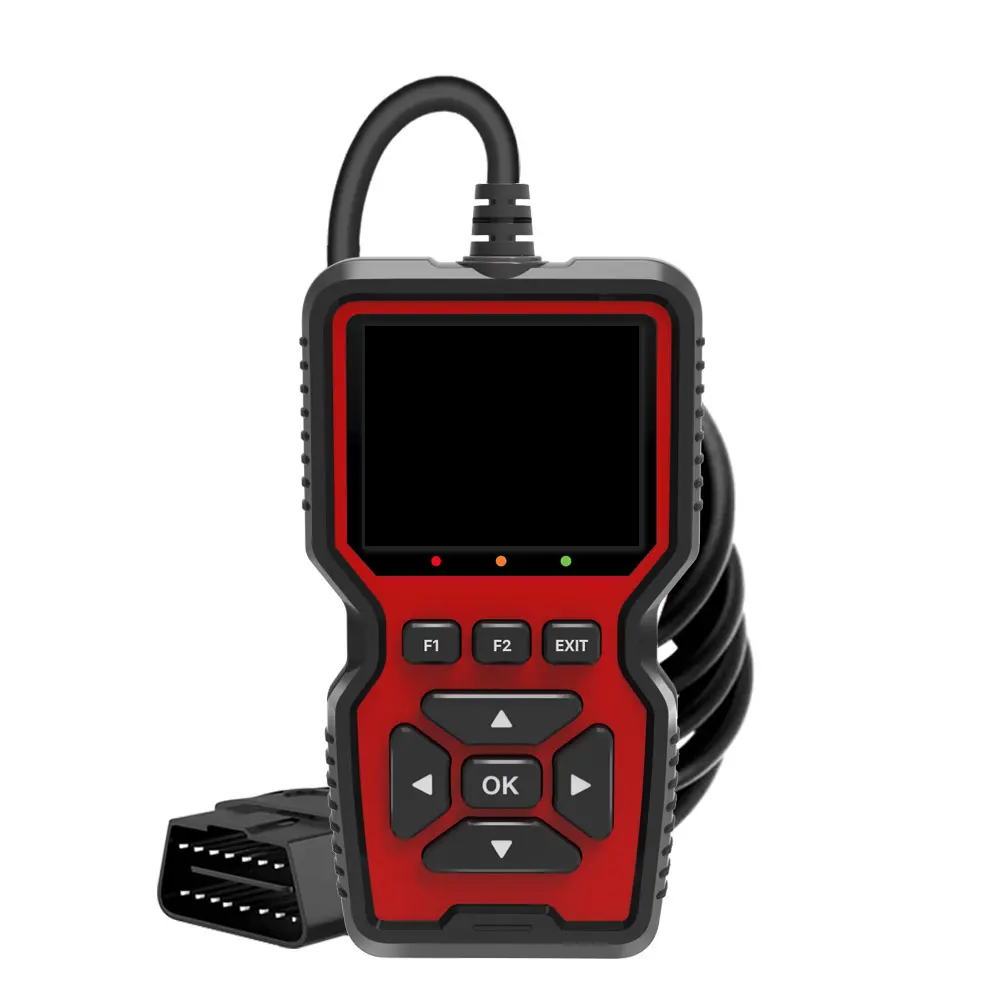
- Retrieve Freeze Frame Data: Use an OBD-II scanner to read the P0005 code and any associated freeze frame data. This provides snapshots of engine parameters at the time the code was set, which can offer valuable context.
- Visual Inspection:
- Locate the Fuel Shutoff Valve. Its location varies significantly by vehicle; it may be integrated into the fuel pump module, part of the high-pressure fuel pump assembly (especially on diesels), or near the fuel rail.
- Carefully inspect the wiring harness leading to the FSV for any signs of physical damage, chafing, cuts, or pinched wires from the ECM to the valve.
- Examine the FSV electrical connector for corrosion, bent pins, loose terminals, or signs of water intrusion.
- Check relevant fuses in all fuse boxes (under-hood, cabin) that supply power to the fuel system or FSV. A blown fuse will appear as an open circuit when tested with a digital multimeter (DMM).
- Digital Multimeter (DMM) Testing at the FSV Connector:
- Power Supply Check: With the ignition ON (engine off, or cranking if applicable), back-probe the FSV connector’s power supply wire. You should observe battery voltage (approx. 12V). If no voltage is present, trace the circuit back towards the fuse box and then the ECM, inspecting wiring along the way.
- Ground Circuit Check: Check for good ground continuity at the FSV connector’s ground wire by measuring resistance between the ground pin and a known good chassis ground point. Resistance should be less than 5 ohms. An open circuit (OL or infinite resistance) indicates a break in the ground wire.
- FSV Solenoid Resistance Check: Disconnect the FSV electrical connector. Using the DMM, measure the internal resistance across the two terminals of the FSV solenoid itself. Consult the vehicle’s service manual for the specified resistance range (typically a few ohms to several dozen ohms). An “open” reading (OL or infinite resistance) confirms an internal failure of the FSV solenoid.
- Continuity Testing of Wiring Harness:
- If the FSV solenoid tests good, disconnect both the FSV and the ECM connectors.
- Perform a continuity check on both the power and ground wires from the ECM harness connector to the FSV harness connector. Look for open circuits (infinite resistance), which indicate a break in the wiring. Also, check for shorts to ground or power.
- ECM Output Check (Advanced): If all external wiring, fuses, and the FSV itself test good, the issue may lie with the ECM. This requires a wiring diagram and potentially an advanced scan tool capable of commanding the FSV or monitoring its driver status. Back-probe the ECM connector pins for the FSV circuit while the ECM attempts to activate the valve (e.g., during cranking). Verify that the ECM is supplying the correct voltage or ground signal. If not, the ECM’s internal driver may be faulty.
Recommended Repairs and Solutions
The appropriate repair will depend on the root cause identified during diagnosis:
- Repair or Replace Damaged Wiring/Connectors: If an open circuit is found in the wiring harness or connector, repair it using proper soldering techniques and heat-shrink tubing for weatherproofing. Replace damaged connectors if pins are bent, corroded, or terminals are stretched.
- Replace Blown Fuse: If a blown fuse is discovered, replace it with a fuse of the correct amperage. However, it is crucial to determine *why* the fuse blew. A short circuit elsewhere in the FSV circuit (e.g., frayed wire touching ground) could cause the new fuse to blow immediately. Address the underlying short before replacing the fuse.
- Replace the Fuel Shutoff Valve (FSV): If the internal resistance test of the FSV solenoid indicates an open circuit or values outside of manufacturer specifications, the FSV is internally faulty and requires replacement. Be aware that on some vehicles, the FSV may be an integral part of the fuel pump assembly or high-pressure pump, requiring replacement of the entire unit.
- ECM/PCM Replacement: If all other components and wiring test good and the ECM is confirmed not to be providing the correct command signal to the FSV circuit, ECM replacement may be necessary. This is typically a last resort and often requires programming or “flashing” the new ECM to the vehicle’s specific VIN and options.
Mechanic’s Tips: Always consult the vehicle’s specific service manual and wiring diagrams for accurate component locations, pinouts, and specified resistance values. When working on fuel systems, be mindful of residual fuel pressure and take appropriate safety precautions, including depressurizing the system if required. After any repair, clear the DTCs, perform a relevant drive cycle, and re-scan the vehicle to ensure the code does not return and all readiness monitors are set.