What Does Code P0130 Mean?
DTC P0130 signifies an Oxygen (O2) Sensor Circuit Malfunction (Bank 1 Sensor 1). This diagnostic trouble code indicates that the Engine Control Module (ECM), also known as the Powertrain Control Module (PCM), has detected an electrical fault or an implausible signal within the circuit of the upstream oxygen sensor for Bank 1. Bank 1 refers to the engine cylinder bank that contains cylinder number one, and Sensor 1 denotes the oxygen sensor located before the catalytic converter, responsible for measuring the oxygen content in the exhaust gases exiting the engine.
The ECM constantly monitors the voltage output and heater circuit integrity of the O2 sensor to determine the air-fuel ratio. A properly functioning narrowband O2 sensor in closed-loop operation should rapidly switch its voltage output between approximately 0.1 volts (lean condition) and 0.9 volts (rich condition). The ECM utilizes this fluctuating signal to make precise, real-time adjustments to fuel injector pulse width, maintaining an optimal stoichiometric air-fuel ratio (14.7:1). P0130 is triggered when the ECM detects that the sensor’s signal voltage is stuck high, stuck low, shows no activity, or is otherwise outside the expected operational parameters for an active circuit. It may also indicate an issue with the sensor’s internal heater circuit, which is crucial for bringing the sensor up to operating temperature quickly for accurate readings. This code specifically points to an electrical problem with the sensor circuit itself, preventing the ECM from receiving reliable air-fuel ratio feedback, rather than necessarily indicating an actual rich or lean combustion condition.
Common Symptoms
- Check Engine Light (MIL) Illumination: This is almost always the first and most direct indicator, as the ECM has detected a significant fault.
- Reduced Fuel Economy: The ECM may enter an open-loop fuel strategy or operate with an enriched air-fuel mixture to protect engine components, leading to increased fuel consumption.
- Rough Idling or Poor Engine Performance: Incorrect fuel trim adjustments due to a faulty O2 sensor can cause an imbalanced air-fuel ratio, resulting in misfires, hesitation, a lack of power, or general drivability issues.
- Increased Exhaust Emissions: Without precise air-fuel ratio control, the engine will produce higher levels of pollutants.
- Black Smoke from Exhaust: In cases where the engine runs excessively rich due to a misinterpreting ECM or a stuck-high O2 sensor signal.
- Strong Sulfur or “Rotten Egg” Smell from Exhaust: Unburnt fuel passing through the catalytic converter can lead to a sulfuric odor, indicating the converter is being overloaded.
What Causes the Code P0130?
- Faulty Bank 1 Sensor 1 Oxygen Sensor: This is the most prevalent cause. The sensor itself may have an internal electrical failure, degraded sensing element, or a malfunctioning heater circuit due to age, contamination, or thermal stress.
- Damaged or Corroded Wiring Harness: The wiring connecting the O2 sensor to the ECM can become frayed, shorted, open-circuited, or corroded. Damage can occur from exposure to extreme heat, vibration, physical abrasion, or rodent activity.
- Poor Electrical Connections: Loose or corroded terminals at the O2 sensor connector or at the ECM connector can interrupt signal transmission or heater circuit operation.
- Contamination of the O2 Sensor: The sensor element can be contaminated by substances such as silicone-based sealants (e.g., RTV used improperly on exhaust components), engine oil, or antifreeze, rendering it inoperative or causing a skewed signal.
- Exhaust Leaks (Upstream of Sensor): While less common for a direct P0130 electrical circuit malfunction, a significant exhaust leak just before the Bank 1 Sensor 1 can draw in ambient air, causing the sensor to falsely read a lean condition. If this false reading causes the sensor’s voltage output to consistently operate outside its normal range, the ECM might interpret it as a circuit malfunction, although other codes like P0171 might be more expected.
- ECM/PCM Failure: Although rare, an internal fault within the ECM/PCM preventing it from properly processing the O2 sensor signal or supplying adequate power/ground to its heater circuit can trigger P0130. This should be diagnosed only after all other possibilities have been thoroughly ruled out.
How to Diagnose and Troubleshoot
Diagnosing P0130 requires a methodical approach, focusing on the electrical integrity of the Bank 1 Sensor 1 circuit.
- Visual Inspection:
- Begin by visually inspecting the Bank 1 Sensor 1 oxygen sensor and its entire wiring harness. Look for any signs of physical damage, such as chafing, melting, cuts, or abrasion.
- Examine the O2 sensor connector for bent pins, corrosion, or loose connections.
- Inspect for any exhaust leaks upstream of the sensor, which might interfere with sensor readings, though this is less directly related to a circuit malfunction.
- OBD-II Scanner Diagnostics:
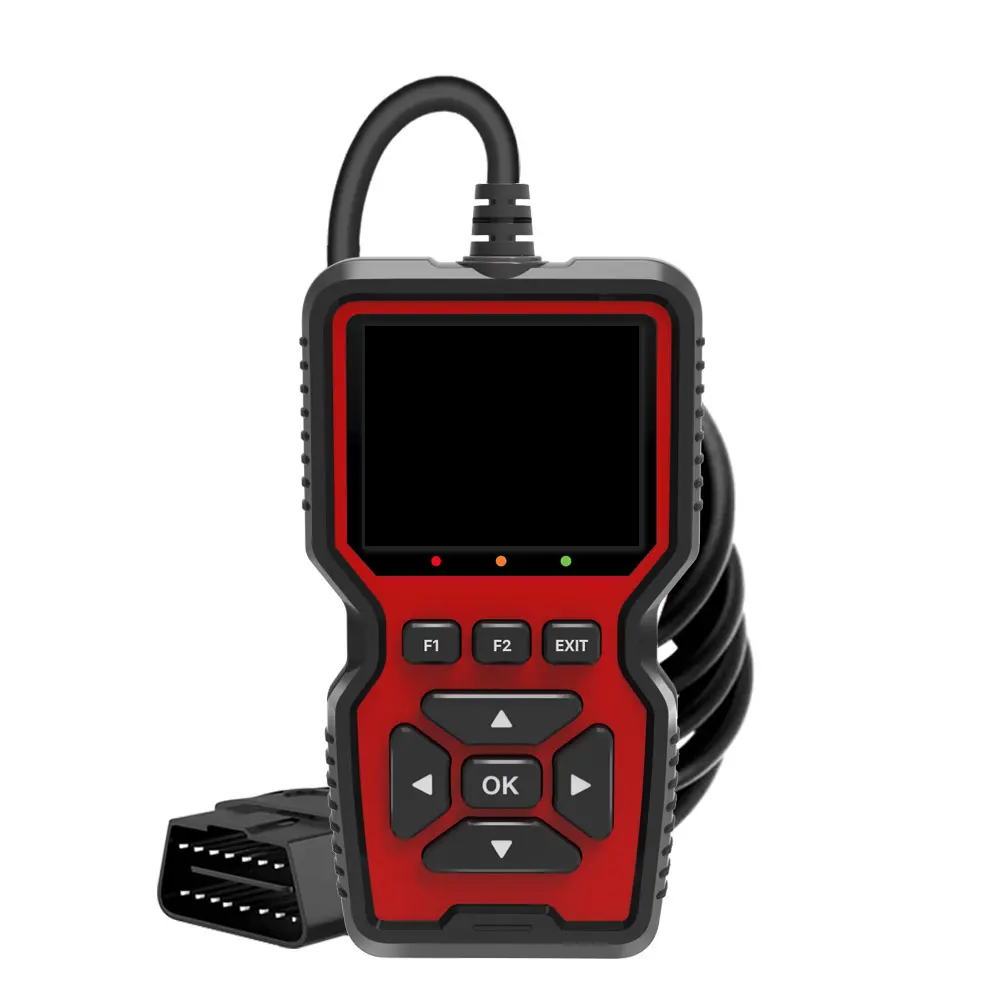
- Connect an OBD-II scanner and clear the P0130 code. Perform a short test drive to see if the code immediately returns.
- Access live data parameters. Monitor the Bank 1 Sensor 1 O2 sensor voltage. With the engine at operating temperature and in closed-loop, the voltage should fluctuate rapidly between approximately 0.1V and 0.9V. If the voltage is static (stuck high, stuck low), or shows no activity, this indicates a problem with the sensor or its circuit.
- Monitor the Short Term Fuel Trim (STFT) and Long Term Fuel Trim (LTFT) for Bank 1. If the sensor is reporting a constant lean condition (stuck low voltage), the fuel trims will likely be significantly positive (ECM adding fuel). If stuck rich (high voltage), fuel trims will be significantly negative (ECM removing fuel).
- Check the status of the O2 sensor heater circuit, if available in live data. Some scanners can display heater current draw or heater on/off status.
- Digital Multimeter (DMM) Testing (Key Off, Connector Disconnected):
- Heater Circuit Resistance Test: Disconnect the O2 sensor connector. Identify the two wires responsible for the heater circuit (often the same color wires or specific pins as per the vehicle’s wiring diagram). Measure the resistance across these two pins using a DMM. Expected resistance typically ranges from 2 to 10 ohms, but consult the vehicle’s service manual for exact specifications. An open circuit (DMM reads OL or infinity) or extremely high resistance indicates an internal fault in the sensor’s heater element.
- Heater Circuit Power and Ground Test: With the O2 sensor connector still disconnected, turn the ignition to the ON position (engine off). Using the DMM, back-probe or use test leads to check for approximately 12 volts at the power supply wire for the heater circuit (often fused and supplied by the ECM or a relay). Then, check for a good ground connection at the heater ground wire. No power or no ground indicates a wiring issue, a blown fuse, or a fault in the ECM’s driver circuit.
- Signal and Signal Ground Wire Integrity: Identify the signal wire and signal ground wire (reference wire) for the O2 sensor. With the sensor disconnected, check for continuity of the signal wire back to the ECM connector. Also, check for any shorts to ground or power on both the signal and signal ground wires. A short could be caused by damaged insulation.
- Sensor Output Test (Back-Probing, Engine Running): This test requires careful back-probing of the sensor’s signal wire with the sensor connected and the engine running at operating temperature. Observe the voltage fluctuations on the DMM. A good narrowband sensor should show rapid switching between 0.1V and 0.9V. A static voltage or no voltage change confirms a sensor failure or a lack of proper exhaust gas flow (less common for P0130).
Recommended Repairs and Solutions
Once the root cause of P0130 has been accurately identified through systematic diagnosis, the following repairs are typically recommended:
- Replace the Bank 1 Sensor 1 Oxygen Sensor: In most cases, a faulty O2 sensor is the direct cause. When replacing, always use an Original Equipment Manufacturer (OEM) quality sensor to ensure proper function, compatibility, and longevity. Aftermarket sensors, especially lower-cost options, can sometimes exhibit different response curves or heater characteristics that may lead to recurring codes or suboptimal performance. Apply a small amount of anti-seize compound to the new sensor’s threads to facilitate future removal.
- Repair or Replace Damaged Wiring: If the diagnostic process reveals damaged, corroded, or shorted wiring in the O2 sensor harness, perform meticulous repairs. Use proper soldering techniques, heat-shrink tubing, and electrical tape to ensure durable, weather-resistant connections. If the damage is extensive, replacing the affected section of the wiring harness may be more appropriate. Ensure the wiring is correctly routed and secured to prevent future damage from heat or vibration.
- Address Poor Electrical Connections: If the issue stems from corroded or loose terminals at the connector, clean the terminals thoroughly using electrical contact cleaner and a small brush. If terminals are bent or severely damaged, replace the connector shell or individual terminals as needed to ensure a secure and reliable electrical connection.
- Investigate and Rectify Contamination Sources: If the old O2 sensor shows signs of contamination (e.g., oily residue, coolant deposits, or white silicone-like film), identify the source of contamination (e.g., engine oil leaks, coolant leaks, improper use of silicone sealants near exhaust) and repair it to prevent damage to the new sensor and other emissions components.
- ECM/PCM Reprogramming or Replacement: If all other components (sensor, wiring, connections) have been thoroughly tested and confirmed to be in good working order, and the P0130 code persists, an ECM/PCM fault might be indicated. This is a rare and expensive repair that should only be pursued as a last resort. ECM replacement often requires specialized programming and calibration tools.
Mechanics’ Tips:
- After any repair, clear the DTCs with an OBD-II scanner. Perform several drive cycles under varying conditions (city, highway, idle) to allow the ECM to complete its readiness monitors and confirm the repair. Monitor live data during these test drives to ensure the new O2 sensor is responding correctly and fluctuating within the expected voltage range.
- Always ensure the engine is cooled down sufficiently before attempting to remove an O2 sensor, as hot exhaust components can cause severe burns.
- Exercise caution when removing O2 sensors, as they can be seized due to heat and corrosion. Use a specialized O2 sensor socket to avoid damaging the sensor body or wires during removal and installation.
- Remember that P0130 is primarily an electrical circuit malfunction code. Focus your diagnostic efforts on the integrity of the sensor’s electrical connections and its internal components before considering other more complex engine issues.