What Does Code P0306 Mean?
The diagnostic trouble code P0306 signifies that the Engine Control Module (ECM), also known as the Powertrain Control Module (PCM), has detected a misfire condition specifically in cylinder number 6. Modern engine management systems meticulously monitor the rotational speed of the crankshaft via the Crankshaft Position (CKP) sensor. During each cylinder’s power stroke, a slight, instantaneous acceleration of the crankshaft occurs. The ECM continuously analyzes the consistency of these accelerations across all cylinders. If the ECM detects a significant deceleration or an inconsistent acceleration during the combustion event for cylinder 6, which deviates beyond a calibrated threshold compared to the expected rotational speed, it registers a misfire. The system typically employs a two-tier misfire detection strategy: a low-level misfire rate (e.g., 2% over a specific driving cycle) that can trigger a Type B misfire code and illuminate the Malfunction Indicator Lamp (MIL) after a certain number of fault cycles, and a high-level misfire rate (e.g., 10% or more) that signifies an immediate and severe misfire, causing the MIL to flash to warn of potential catalytic converter damage due to unburnt fuel entering the exhaust system. This code primarily affects the ignition, fuel delivery, and mechanical integrity subsystems of cylinder 6.
Common Symptoms
- Malfunction Indicator Lamp (MIL) Illumination: The “Check Engine” light will be on. If the misfire is severe enough to cause catalytic converter damage, the MIL will flash.
- Rough Engine Idle: The engine may shake, vibrate excessively, or feel like it is running on fewer cylinders.
- Reduced Engine Power and Acceleration: Noticeable loss of power, especially during acceleration or uphill climbs, as cylinder 6 is not contributing effectively.
- Engine Hesitation or Stumble: The vehicle may hesitate or stumble when accelerating.
- Decreased Fuel Economy: The ECM may attempt to compensate for the misfire, leading to inefficient fuel consumption.
- Strong Fuel Odor from Exhaust: Unburnt fuel passing through cylinder 6 and into the exhaust can create a distinct gasoline smell, particularly in severe cases.
What Causes the Code P0306?
- Ignition System Malfunction:
- Fouled, worn, or incorrectly gapped spark plug for cylinder 6.
- Defective ignition coil or coil-on-plug (COP) unit for cylinder 6.
- Damaged spark plug wire (if applicable) for cylinder 6, leading to resistance or short.
- Fuel System Issues:
- Clogged, dirty, or faulty fuel injector for cylinder 6, leading to insufficient or no fuel delivery.
- Low fuel pressure system-wide, though often manifesting as a specific cylinder misfire under load.
- Contaminated fuel in the tank or delivery system.
- Engine Mechanical Problems:
- Loss of compression in cylinder 6 due to worn piston rings, damaged valves (burnt, bent, or improperly seated), or a compromised head gasket.
- Internal engine damage, such as a worn camshaft lobe or a collapsed hydraulic lifter affecting valve operation for cylinder 6.
- Significant vacuum leak affecting the intake runner specific to cylinder 6 or a general manifold gasket leak that disproportionately affects one cylinder.
- ECM/Wiring Harness Issues:
- Damaged or corroded wiring harness leading to the cylinder 6 ignition coil or fuel injector.
- Faulty ECM/PCM driver circuit responsible for controlling the cylinder 6 ignition coil or fuel injector (less common but possible).
How to Diagnose and Troubleshoot
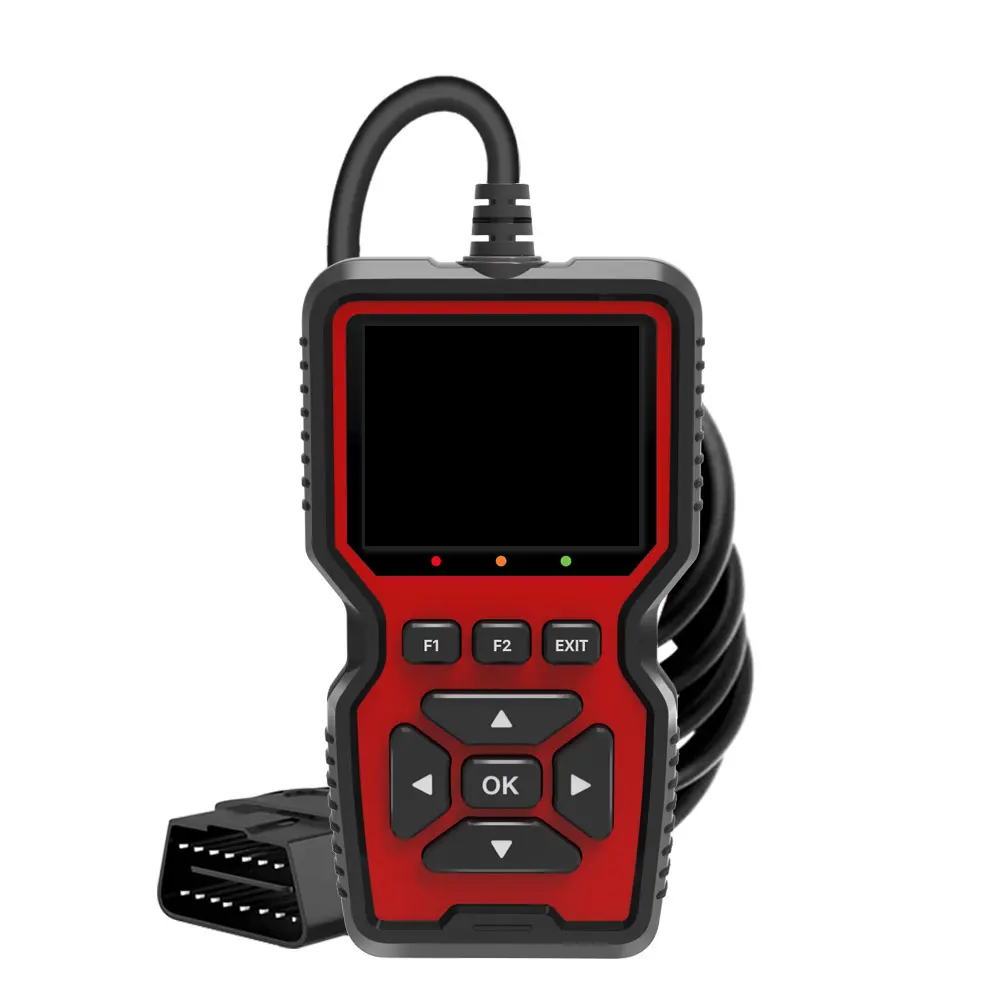
Diagnosing a P0306 requires a systematic approach, often utilizing a digital multimeter (DMM), an OBD-II scan tool with live data capabilities, and specialized diagnostic equipment.
- Initial Scan Tool Analysis:
- Connect an OBD-II scan tool and retrieve P0306. Check for any co-occurring diagnostic trouble codes (DTCs) that might provide additional context (e.g., fuel trim codes, lean/rich codes).
- Access and review freeze frame data to understand engine operating conditions (RPM, engine load, coolant temperature, vehicle speed) when the misfire code was set. This provides a snapshot of the failure environment.
- Monitor live data streams, specifically individual cylinder misfire counters. Identify if the misfire on cylinder 6 is constant, intermittent, or occurs under specific load/RPM conditions. Also, monitor short-term (STFT) and long-term (LTFT) fuel trims to detect potential lean or rich conditions that could contribute to misfires.
- Visual Inspection:
- Carefully inspect the ignition coil (or coil-on-plug unit) and spark plug wire (if applicable) for cylinder 6 for any visible damage, cracks, carbon tracking, or corrosion.
- Examine the wiring harness and electrical connectors for cylinder 6’s ignition coil and fuel injector for chafing, cuts, corrosion, or loose connections.
- Inspect the vacuum lines and intake manifold around cylinder 6 for any obvious signs of leaks (cracks, disconnected hoses). A smoke machine can be invaluable for identifying elusive vacuum leaks.
- Ignition System Verification:
- Ignition Coil Swap Test: If accessible, swap the ignition coil from cylinder 6 with a known good coil from an adjacent cylinder (e.g., cylinder 5). Clear the misfire codes and test drive the vehicle. If the misfire now follows the coil to the new cylinder (e.g., P0305 sets), the coil is faulty.
- Spark Plug Inspection/Swap: Remove the spark plug from cylinder 6. Visually inspect its condition: look for signs of fouling (oil, carbon, fuel), electrode wear, or damage. Compare its appearance and gap to a new plug or a known good plug from another cylinder. If suspicious, swap it with a good plug from another cylinder and retest.
- Spark Test: Use an inline spark tester connected between the coil and the spark plug for cylinder 6 to verify consistent, strong spark while cranking or running (with caution).
- Fuel System Verification:
- Fuel Injector Noid Light Test: Disconnect the electrical connector from the cylinder 6 fuel injector and connect a noid light. Crank the engine (or run it if safe) to verify the ECM is sending a consistent pulse to the injector.
- Fuel Injector Resistance Test: Using a DMM, measure the electrical resistance across the terminals of the cylinder 6 fuel injector. Compare this reading to specifications in the service manual and to other injectors. A reading significantly outside tolerance or vastly different from others indicates a faulty injector.
- Fuel Injector Swap Test: If accessible, swap the cylinder 6 fuel injector with a known good injector from an adjacent cylinder. Clear codes and test drive. If the misfire shifts to the new cylinder, the injector is faulty.
- Fuel Pressure Test: Connect a fuel pressure gauge to the fuel rail. Verify that fuel pressure is within manufacturer specifications. Low system pressure, while affecting all cylinders, can manifest as a P0306 under certain load conditions.
- Engine Mechanical Integrity Test:
- Compression Test: Perform a dry and then a wet compression test on cylinder 6. Compare the readings to manufacturer specifications and to the readings from other cylinders. A reading significantly lower (more than 10-15%) than other cylinders or below minimum specification indicates a mechanical issue (e.g., valve problem, worn rings, head gasket leak).
- Leak-Down Test: This is a more definitive test. With cylinder 6 at Top Dead Center (TDC) on its compression stroke, introduce compressed air into the cylinder. Listen for escaping air:
- From the oil filler cap/dipstick tube: Indicates worn piston rings.
- From the intake manifold/throttle body: Indicates a leaking intake valve.
- From the exhaust pipe: Indicates a leaking exhaust valve.
- From the radiator/coolant reservoir (bubbling): Indicates a blown head gasket.
- Wiring and ECM/PCM Check:
- If all components test good, use a DMM to check for continuity and proper resistance in the wiring harness between the cylinder 6 coil/injector connectors and the ECM/PCM connectors. Inspect for proper voltage supply and ground at the component connectors.
- In rare cases, if all other diagnostics point to no fault, the ECM/PCM itself might be faulty, specifically the driver circuit for cylinder 6’s ignition or fuel system. This should be a last resort diagnosis.
Recommended Repairs and Solutions
Once the root cause of the P0306 code has been definitively identified through the diagnostic steps, the appropriate repair can be implemented:
- Replace Faulty Spark Plug: If inspection reveals a worn, fouled, or damaged spark plug on cylinder 6, replace it. It is often recommended to replace all spark plugs as part of routine maintenance, especially if they are due or if one has failed prematurely due to age.
- Replace Defective Ignition Coil: If the coil swap test confirmed a faulty ignition coil for cylinder 6, replace it with a new OEM quality unit. Consider replacing all coils if the vehicle has high mileage or if other coils are showing signs of age.
- Replace Clogged or Faulty Fuel Injector: If the diagnostic tests indicate a problem with the cylinder 6 fuel injector (clogged, electrically faulty), replace it. It’s often prudent to check the condition of the fuel filter and consider a fuel system cleaner to prevent future injector issues.
- Repair Vacuum Leaks: Locate and repair any detected vacuum leaks by replacing cracked hoses, damaged gaskets (e.g., intake manifold gasket), or O-rings.
- Address Mechanical Engine Issues: This category encompasses the most involved and costly repairs:
- Valve Repair: If a leaky valve is detected via compression or leak-down tests, a cylinder head removal and valve job (resurfacing valves, replacing valve seals, grinding seats) will be necessary.
- Piston Ring Replacement: If worn piston rings are the cause, an engine overhaul (piston ring replacement) will be required.
- Head Gasket Replacement: A blown head gasket necessitates its replacement, often accompanied by cylinder head inspection and resurfacing.
- Repair Wiring Harness or ECM: If wiring damage is found, repair or replace the affected section of the harness. If the ECM/PCM is confirmed to be at fault, it will need to be replaced and potentially programmed to the vehicle.
Important Mechanics’ Tips:
- Always use OEM-equivalent or higher-quality replacement parts to ensure proper function and longevity.
- After any repair, clear the DTCs with the scan tool. Perform a thorough test drive under varying load conditions (including those observed in freeze frame data) while monitoring live misfire counters and fuel trims to confirm the misfire is resolved and the engine is operating optimally.
- If the MIL was flashing, strongly advise the customer that driving the vehicle with a severe misfire can quickly lead to irreversible damage to the expensive catalytic converter.
- For intermittent misfires that are hard to replicate, pay extra attention to wiring harness integrity, sensor connections, and the presence of slight vacuum leaks that only manifest under specific engine conditions.
- Consider checking the PCV (Positive Crankcase Ventilation) system. A malfunctioning PCV valve or system can lead to excessive oil consumption, which can foul spark plugs and contribute to misfires over time.