What Does Code P0308 Mean?
The diagnostic trouble code P0308 signifies that the Engine Control Module (ECM), also commonly referred to as the Powertrain Control Module (PCM), has detected a misfire condition specifically within Cylinder 8 of the engine. A misfire occurs when an insufficient amount of fuel is combusted in a cylinder, leading to a loss of power stroke. The ECM monitors the rotational speed of the crankshaft via the crankshaft position (CKP) sensor. During normal operation, each cylinder’s power stroke contributes to a predictable increase in crankshaft speed. When Cylinder 8 misfires, its power stroke is either weak or entirely absent, causing a momentary, detectable deceleration of the crankshaft rotational speed. If this deceleration significantly deviates from the expected rotational pattern for Cylinder 8 over a calibrated number of engine revolutions (e.g., 200 revolutions for a Type A misfire, or 1000 revolutions for a Type B misfire), the ECM logs the P0308 code. A persistent or severe misfire (Type A) can lead to rapid catalyst damage due to unburnt fuel entering the exhaust and igniting in the catalytic converter, often triggering a flashing Malfunction Indicator Lamp (MIL) to warn the driver.
Common Symptoms
- Illumination of the Malfunction Indicator Lamp (MIL) (Check Engine Light), which may flash rapidly during severe misfire conditions to indicate potential catalyst damage.
- Rough engine idle or uneven running, often described as a “shudder” or “stumble.”
- Reduced engine power, noticeable during acceleration or under load.
- Decreased fuel economy.
- Engine vibration, especially noticeable at specific RPMs.
- A distinct smell of unburnt fuel from the exhaust, indicating a rich condition due to incomplete combustion.
- Difficulty starting or rough starting, although this is less common for a single-cylinder misfire unless severe.
What Causes the Code P0308?
- Ignition System Malfunctions:
- Fouled, worn, cracked, or incorrectly gapped spark plug for Cylinder 8.
- Defective ignition coil or Coil-On-Plug (COP) unit specific to Cylinder 8.
- Damaged or degraded spark plug wire for Cylinder 8 (on systems using wires).
- Fuel System Issues:
- Clogged, stuck open, or faulty fuel injector for Cylinder 8.
- Low overall fuel pressure or a restricted fuel filter affecting fuel delivery to Cylinder 8 (less common to affect only one cylinder, but possible if the injector is marginal).
- Contaminated fuel.
- Engine Mechanical Problems:
- Low compression in Cylinder 8 due to worn piston rings, burnt or bent valves, or a leaking head gasket.
- Faulty hydraulic lifter, worn camshaft lobe, or other valvetrain component issues affecting Cylinder 8.
- Significant vacuum leak affecting only Cylinder 8’s intake runner.
- Electrical/Wiring Issues:
- Corroded, damaged, or open/shorted wiring in the circuit for Cylinder 8’s ignition coil or fuel injector.
- Poor electrical connection at the ignition coil or fuel injector connector for Cylinder 8.
- ECM/PCM Malfunction:
- Internal failure of the Engine Control Module, though this is a less common cause and typically manifests with multiple seemingly unrelated issues.
How to Diagnose and Troubleshoot
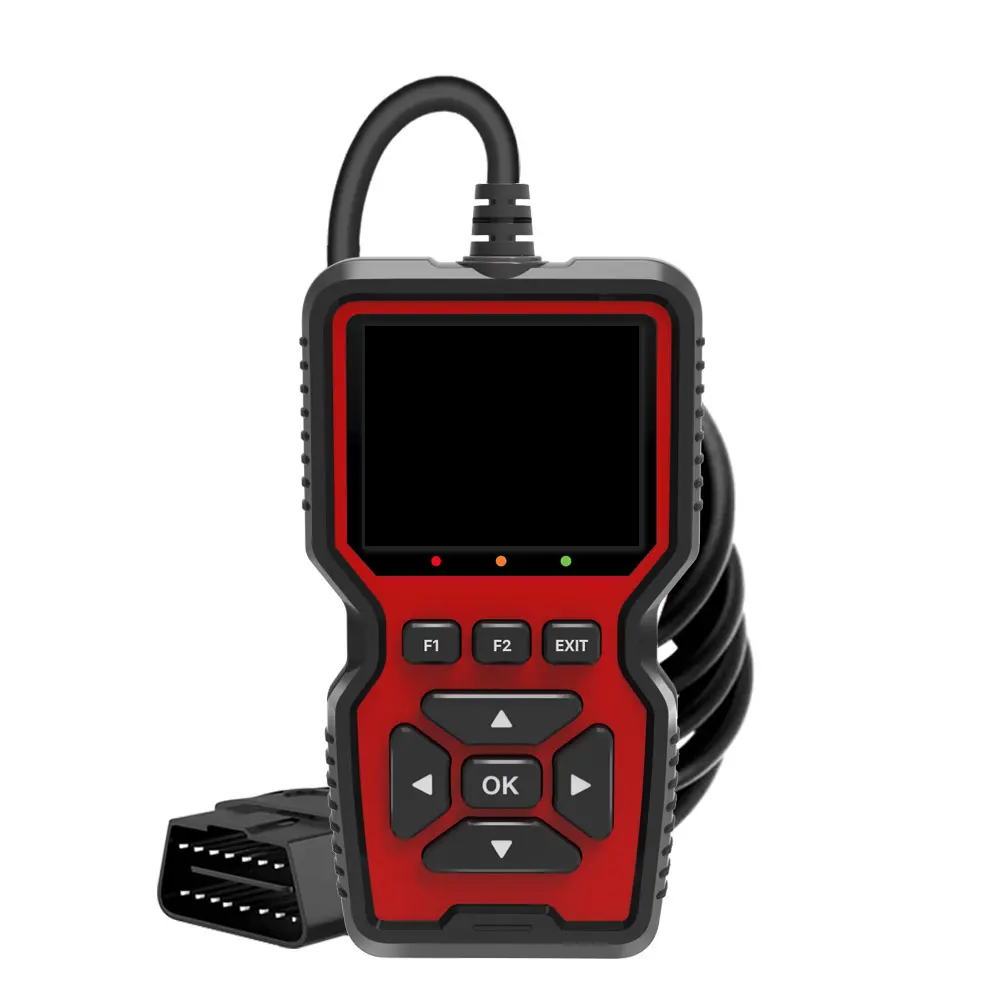
Diagnosing P0308 requires a systematic approach, combining an OBD-II scanner, a digital multimeter (DMM), and visual inspection.
- Initial Scan and Data Analysis:
- Connect an OBD-II scanner and retrieve all active and pending Diagnostic Trouble Codes (DTCs). Note any other codes present, as they may provide additional context (e.g., fuel trim codes, O2 sensor codes).
- Record "Freeze Frame Data," which captures engine parameters at the moment the code was set.
- Monitor live data, specifically misfire counters for all cylinders. Confirm that Cylinder 8 consistently shows significantly higher misfire counts compared to other cylinders. Also, observe fuel trims, O2 sensor readings, and MAF sensor data.
- Visual Inspection:
- Visually inspect the ignition coil, spark plug wire (if applicable), and fuel injector for Cylinder 8. Look for any signs of damage, fraying, corrosion, or loose connections.
- Check for obvious vacuum leaks around the intake manifold, particularly near Cylinder 8.
- Inspect the wiring harnesses and connectors for the Cylinder 8 ignition coil and fuel injector for any damage or poor seating.
- Ignition System Testing (Cylinder 8 Specific):
- Spark Plug Inspection: Remove the spark plug from Cylinder 8. Inspect its condition for fouling (oil, carbon, fuel), wear, cracks in the insulator, or incorrect gap. Replace if its condition is questionable. Compare it to a known good plug from another cylinder if necessary.
- Ignition Coil Test:
- Swap Test: If using Coil-On-Plug (COP) or a coil pack with individual towers, swap the Cylinder 8 ignition coil with a known good coil from an adjacent cylinder (e.g., Cylinder 7). Clear codes, start the engine, and recheck misfire counts. If the misfire shifts to the cylinder where the suspect coil was moved (e.g., P0307 is set), the coil is faulty.
- Spark Test: Use an inline spark tester or a dedicated spark plug tester to verify consistent, strong spark at Cylinder 8.
- Electrical Check: Use a DMM to check the primary and secondary resistance of the coil if manufacturer specifications are available. Also, verify power and ground at the coil connector using the DMM or a test light.
- Fuel System Testing (Cylinder 8 Specific):
- Fuel Injector Test:
- Swap Test: Similar to the coil test, swap the Cylinder 8 fuel injector with an injector from another cylinder. Clear codes, start the engine, and recheck misfire counts. If the misfire moves, the injector is faulty.
- Noid Light Test: Disconnect the injector harness connector and use a noid light to verify that the ECM is sending a pulse to the injector. If there’s no pulse, suspect wiring or ECM.
- Resistance Test: Use a DMM to measure the resistance of the Cylinder 8 injector coil. Compare it to specifications and known good injectors from other cylinders. A significant deviation indicates an internal injector fault.
- Stethoscope Listening: Use a mechanic’s stethoscope to listen for a clear, repetitive clicking sound from the injector when the engine is running or during cranking. No click indicates an electrical or mechanical issue with the injector.
- Fuel Pressure Test: Connect a fuel pressure gauge to the fuel rail. Verify that fuel pressure is within manufacturer specifications. While a low system pressure typically affects all cylinders, it’s a critical baseline check.
- Fuel Injector Test:
- Engine Mechanical Testing:
- Compression Test: Perform a cylinder compression test on Cylinder 8 and compare the reading to the manufacturer’s specifications and the compression values of the other cylinders. A reading significantly lower than others indicates a mechanical issue (e.g., worn rings, valve problems, head gasket leak).
- Leak-Down Test: If compression is low, a leak-down test can pinpoint the exact cause (e.g., air escaping from the intake manifold indicates an intake valve issue, from the exhaust indicates an exhaust valve issue, from the dipstick tube indicates piston ring issues, or from an adjacent spark plug hole indicates a head gasket leak).
- Vacuum Leak Test: Use a smoke machine to introduce smoke into the intake manifold. Look for smoke escaping around Cylinder 8’s intake runner or elsewhere to identify vacuum leaks.
- ECM/PCM Verification:
- Only consider ECM/PCM replacement after absolutely all other possible causes have been thoroughly tested and ruled out, as it is a rare and costly repair.
Recommended Repairs and Solutions
Once the root cause of the P0308 misfire has been accurately identified through systematic diagnosis, the following repairs are typically recommended:
- Ignition System Repairs:
- Replace Spark Plug: If the spark plug for Cylinder 8 is found to be fouled, worn, or damaged, replace it. It’s often advisable to replace all spark plugs if they are due for maintenance based on mileage or age.
- Replace Ignition Coil: If the ignition coil for Cylinder 8 is faulty, replace it. For vehicles with individual Coil-On-Plug (COP) systems, it may be prudent to replace all coils if they are original and have high mileage, as other coils may soon fail.
- Replace Spark Plug Wire: If applicable, replace the damaged spark plug wire for Cylinder 8. Consider replacing the entire set if wires are old.
- Fuel System Repairs:
- Replace Fuel Injector: If the Cylinder 8 fuel injector is clogged, malfunctioning, or exhibiting incorrect resistance, replace it. It’s sometimes recommended to replace injectors in banks or all of them if they are original and high mileage.
- Address Fuel Pressure Issues: If low fuel pressure was identified, diagnose and repair the cause, which could involve replacing the fuel pump, fuel filter, or fuel pressure regulator.
- Fuel System Cleaning: While not a primary fix for a severely clogged injector, a professional fuel system cleaning can help resolve minor injector restrictions.
- Engine Mechanical Repairs:
- Compression/Leak-Down Related Repairs: If mechanical issues like low compression are found (e.g., bad piston rings, bent valve, leaking head gasket), these will require more extensive engine repair, such as a valve job, cylinder head removal, or engine overhaul.
- Vacuum Leak Repair: Locate and repair any identified vacuum leaks, often involving replacing degraded vacuum lines, intake manifold gaskets, or PCV system components.
- Electrical System Repairs:
- Wiring/Connector Repair: Repair or replace any damaged, corroded, or open/shorted wiring and connectors leading to the ignition coil or fuel injector for Cylinder 8.
Important Mechanics’ Tips:
- Clear Codes and Test Drive: Always clear the DTCs after any repair. Perform a thorough test drive, including varying RPMs and load conditions, to ensure the misfire does not return and that the ECM completes its readiness monitors.
- Use Quality Parts: Opt for OEM or reputable aftermarket parts for critical components like ignition coils and fuel injectors to ensure longevity and proper function.
- Check TSBs: Before undertaking complex diagnostics, always check for Technical Service Bulletins (TSBs) or recalls issued by the manufacturer for specific misfire issues related to the vehicle’s make, model, and year.
- Systematic Approach: Avoid "part swapping" without proper diagnosis. A systematic, step-by-step diagnostic process saves time and money.
- Document Findings: Keep detailed records of all diagnostic steps taken, measurements, and parts replaced for future reference.