
Overview & Design Features
The Cadillac LW1 is a high-performance twin-turbocharged 3.6-liter (3564 cc) V6 engine, a significant evolution within General Motors’ advanced V6 architecture. Developed and manufactured by Cadillac, this powerplant represents a concerted effort to deliver exceptional power density and responsiveness, positioning it as a potent alternative to larger displacement V8 engines in premium performance vehicles. Its historical significance lies in its role within Cadillac’s performance ‘V’ series, showcasing the brand’s commitment to sophisticated engineering and driver engagement in its most aggressive models.
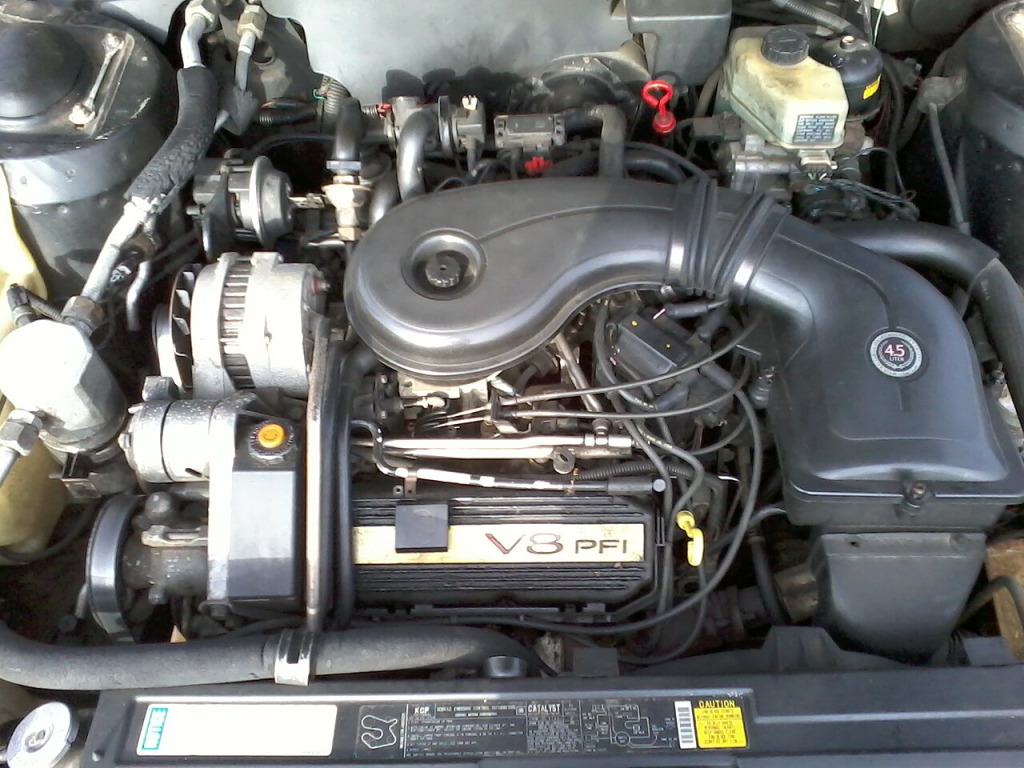
Engineered for maximum output, the LW1 features a robust 60-degree V6 configuration with an aluminum cylinder block and cylinder heads, optimizing weight distribution and thermal management. Fuel delivery is handled by a precise direct injection (DI) system, which atomizes fuel directly into the combustion chambers for improved efficiency and power. A key differentiator for the LW1 is its twin-turbocharger system, which utilizes two low-inertia turbochargers to minimize lag and deliver a broad, flat torque curve. Furthermore, advanced continuous variable valve timing (CVVT) is employed on both intake and exhaust camshafts, allowing for dynamic adjustment of valve overlap to enhance power, efficiency, and emissions control across the entire RPM range.
The Cadillac LW1 engine is primarily recognized for its deployment in the critically acclaimed and highly capable Cadillac CT4-V Blackwing. It was introduced in this model for the 2022 model year and continues to be the exclusive powertrain option for this ultra-performance variant, solidifying its place as a flagship engine for Cadillac’s compact luxury sport sedan offering. This specific application highlights the LW1’s capabilities in a dedicated track-focused yet road-legal vehicle.
Technical Specifications
| Displacement | 3564 cc (3.6L) |
| Max Power | 472 hp (352 kW) @ 5750 RPM |
| Max Torque | 603 Nm (61.5 kg*m) @ 3500-5800 RPM |
| Fuel Type | Premium Unleaded (91+ Octane Recommended) |
| Fuel Consumption | Approx. 13.0 l/100 km (Combined Cycle) |
| Engine Type | Twin-Turbocharged V6, DOHC |
| Compression Ratio | 9.8:1 |
| Cylinder Bore | 94.0 mm |
| Piston Stroke | 85.6 mm |
| Valvetrain | Dual Overhead Camshaft (DOHC) with Continuous Variable Valve Timing (CVVT) |
| Valves per Cylinder | 4 |
| Additional Info | Twin Garrett GT2558R low-inertia turbochargers, titanium connecting rods, optimized oiling system for track use. |
Common Problems & Reliability
- Carbon Buildup: As with many direct-injected engines, the LW1 can experience carbon buildup on the intake valves over time. Without fuel washing over the intake valves, combustion byproducts can accumulate, potentially leading to reduced airflow, decreased performance, and misfires. Regular professional intake valve cleaning, often through walnut blasting, may be necessary at higher mileages, typically beyond 60,000 miles.
- Turbocharger Longevity: The twin-turbocharger system, while critical to the LW1’s performance, introduces additional complexity and potential wear points. Aggressive driving and inadequate cool-down procedures after high-stress operation can shorten turbocharger bearing life. Inspection for oil leaks around the turbos and shaft play is advisable during routine maintenance, particularly for vehicles driven hard.
- PCV System Issues: Some variants of GM’s V6 engines have exhibited issues with the Positive Crankcase Ventilation (PCV) system, leading to increased oil consumption or, in severe cases, oil ingestion into the intake, exacerbating carbon buildup. While the LW1 features refinements, monitoring oil levels diligently is important, especially in performance applications.
Under proper care and adherence to manufacturer-recommended service schedules, the LW1 engine can realistically be expected to provide a service life exceeding 150,000 to 200,000 miles before requiring a major overhaul. Performance driving conditions will naturally place higher demands on components.
Maintenance Tips & Service Schedule
Proactive maintenance is crucial for the longevity and performance of the Cadillac LW1 engine. Adherence to a strict service schedule is paramount due to its high-performance nature.
- Engine Oil & Filter: Utilize a high-quality, full synthetic 5W-30 motor oil, meeting GM’s dexos1 Gen 3 specification. Oil and filter changes should be performed every 7,500 miles or annually, whichever occurs first, under normal driving conditions. For track use or consistently aggressive driving, intervals should be reduced to 3,000-5,000 miles.
- Spark Plugs: Replace iridium-tipped spark plugs approximately every 60,000 miles. Using only OEM-specified spark plugs is recommended to ensure proper combustion and engine management system operation.
- Engine Air Filters: Inspect the air filters every 7,500 miles and replace every 15,000-30,000 miles, or more frequently if operating in dusty environments. Clean air intake is vital for turbocharger health and engine performance.
- Coolant System: The cooling system, pre-filled with GM’s Dex-Cool extended-life coolant, requires inspection every 15,000 miles. A full coolant flush and replacement are typically recommended every 5 years or 100,000 miles, utilizing only Dex-Cool compatible fluids.
- Timing Chain: The timing chain system is designed for the life of the engine. However, at higher mileages (e.g., 150,000+ miles), inspection for any unusual noise or wear indicators during other services is prudent.
Conclusion
The Cadillac LW1 engine, particularly in its CT4-V Blackwing application, represents a highly engineered and potent V6 powerplant. For a used vehicle buyer, it offers an exhilarating driving experience coupled with robust performance. While specific attention to its direct injection system and turbocharger maintenance is necessary, the LW1 can be considered a generally reliable choice when a comprehensive service history is available and proper, consistent maintenance practices have been followed. Its durability is commendable for a high-output engine, making it a viable option for enthusiasts seeking a performance-oriented vehicle with strong long-term potential.