
Overview & Design Features
The Cadillac L49 engine, a significant V8 power unit developed by General Motors’ luxury division, Cadillac, represented the culmination of a generation of Cadillac-specific V8 designs. Introduced in 1991, this naturally aspirated, 4.9-liter (4900 cc) engine served as a refined evolution of its predecessors, aiming to offer improved performance and reliability. It bridged the gap between the problematic HT4100 series and the advanced Northstar architecture, establishing itself as a robust and dependable choice for Cadillac’s flagship models during its production run. The L49’s design philosophy centered on delivering smooth, ample torque characteristic of traditional American luxury vehicles, combined with a focus on durability that had been somewhat lacking in earlier iterations.
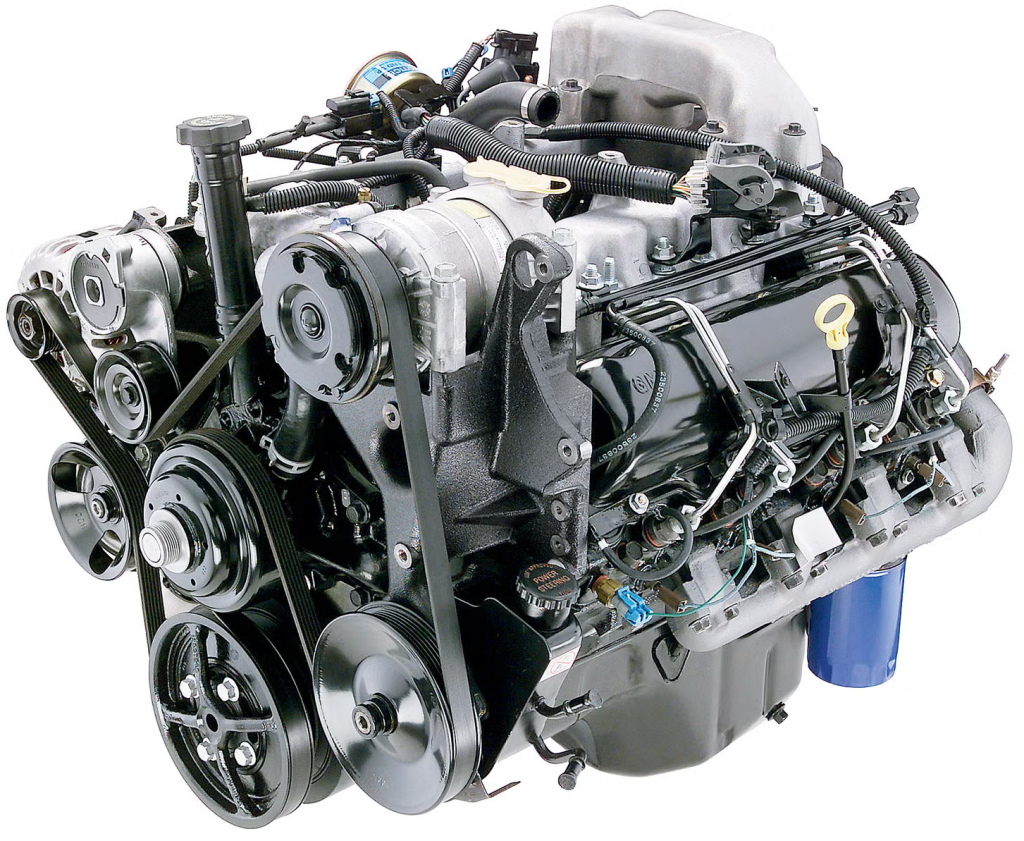
Constructed with an aluminum cylinder block and aluminum cylinder heads, the L49 engine featured an overhead valve (OHV) valvetrain with two valves per cylinder. This design choice prioritized low-end torque and compact packaging over high-RPM power, aligning with the expected driving dynamics of large luxury sedans. Fuel delivery was managed by a Sequential Port Fuel Injection (SFI) system, providing precise fuel metering and improved emissions control compared to earlier carburetor or throttle-body injection setups. The engine did not incorporate advanced variable valve timing technologies, relying instead on its robust pushrod architecture for consistent, reliable operation.
The L49 engine was predominantly featured across Cadillac’s front-wheel-drive luxury lineup during the early to mid-1990s. Its primary applications included the 1991-1995 Cadillac De Ville and Fleetwood, providing ample power for these full-size sedans. It also powered the 1991-1992 Cadillac Eldorado and Seville models before the widespread adoption of the Northstar engine family. Specifically, the L49 was the sole engine offering for many of these models, underscoring its central role in Cadillac’s powertrain strategy for that era.
Technical Specifications
| Displacement | 4900 cc (4.9 L) |
| Max Power | 200 hp (149 kW) @ 4100 RPM |
| Max Torque | 373 Nm (38 kg*m) @ 3000 RPM |
| Fuel Type | Gasoline (Regular Unleaded, 87 AKI) |
| Fuel Consumption | ~13.8 l/100 km (Combined) |
| Engine Type | Naturally Aspirated V8, Overhead Valve (OHV) |
| Compression Ratio | 9.5:1 |
| Cylinder Bore | 92.0 mm |
| Piston Stroke | 92.0 mm |
| Valvetrain | OHV, Pushrod, 2 valves per cylinder |
| Valves per Cylinder | 2 |
| Additional Info | Sequential Port Fuel Injection (SFI), Aluminum Block & Heads |
Common Problems & Reliability
The Cadillac L49 engine is generally regarded as a relatively reliable unit, especially when compared to its HT4100 predecessor. However, like many engines of its era, particularly those found in high-mileage luxury vehicles, certain issues can manifest. A common concern involves oil leaks, primarily from the valve covers, oil pan gasket, and sometimes the front and rear main seals. These leaks are typically due to aging gaskets and seals and can lead to noticeable oil consumption if left unaddressed. Another area requiring attention can be the cooling system components, including the radiator, water pump, and hoses, which are susceptible to wear and degradation over decades of service, potentially leading to overheating if neglected. Finally, the ignition system, comprising the distributor cap, rotor, and spark plug wires, can degrade over time, causing misfires or reduced performance. Despite these potential issues, the L49’s fundamental design is robust. With consistent maintenance and proactive replacement of wear items, an L49 engine can realistically achieve a service life of 200,000 to 250,000 miles (approximately 320,000 to 400,000 km) before requiring a major overhaul.
Maintenance Tips & Service Schedule
Proper maintenance is paramount for ensuring the longevity and optimal performance of the L49 engine. Adherence to a strict service schedule helps mitigate common age-related issues. Engine oil and filter changes are recommended every 5,000 miles (8,000 km) or every six months, whichever comes first, using a high-quality 5W-30 or 10W-30 conventional or synthetic blend motor oil. Spark plugs should be inspected and replaced every 60,000 miles (96,000 km) to maintain ignition efficiency. The L49 utilizes a durable timing chain, which typically lasts the lifetime of the engine under normal conditions; however, any unusual noises should prompt an inspection by a qualified technician. The cooling system requires attention, with a complete coolant flush and refill using a Dex-Cool compatible antifreeze recommended every five years or 100,000 miles (160,000 km). Regular inspection of hoses and the water pump for leaks or wear is also advised. Furthermore, the air filter should be replaced annually or every 15,000 miles (24,000 km), and the fuel filter every 30,000 miles (48,000 km) to ensure clean air and fuel delivery.
Conclusion
The Cadillac L49 engine represents a solid and dependable powertrain choice for enthusiasts and buyers of classic Cadillac models from the early 1990s. Its robust V8 design and sequential port fuel injection system offered a good balance of smooth power delivery and improved reliability compared to its direct ancestors. While potential buyers should be mindful of typical age-related wear, such as oil leaks and cooling system degradation, these issues are generally manageable with proactive maintenance. A well-maintained L49-equipped vehicle can provide many more miles of comfortable and reliable service, making it a viable option for those seeking an authentic luxury driving experience of that era.