
Overview & Design Features
The Cadillac L87 is a robust 6.2-liter naturally aspirated V8 engine, an integral part of General Motors’ revered fourth-generation Small Block engine family. Introduced for the 2021 model year, the L87 represents a pinnacle of traditional American V8 engineering combined with modern efficiency technologies. This engine is primarily designed for large SUVs and pickup trucks, where its substantial displacement and torque output deliver potent performance and towing capabilities. It serves as the flagship gasoline engine option in premium Cadillac and GMC full-size vehicles, upholding the legacy of powerful, durable powertrains.
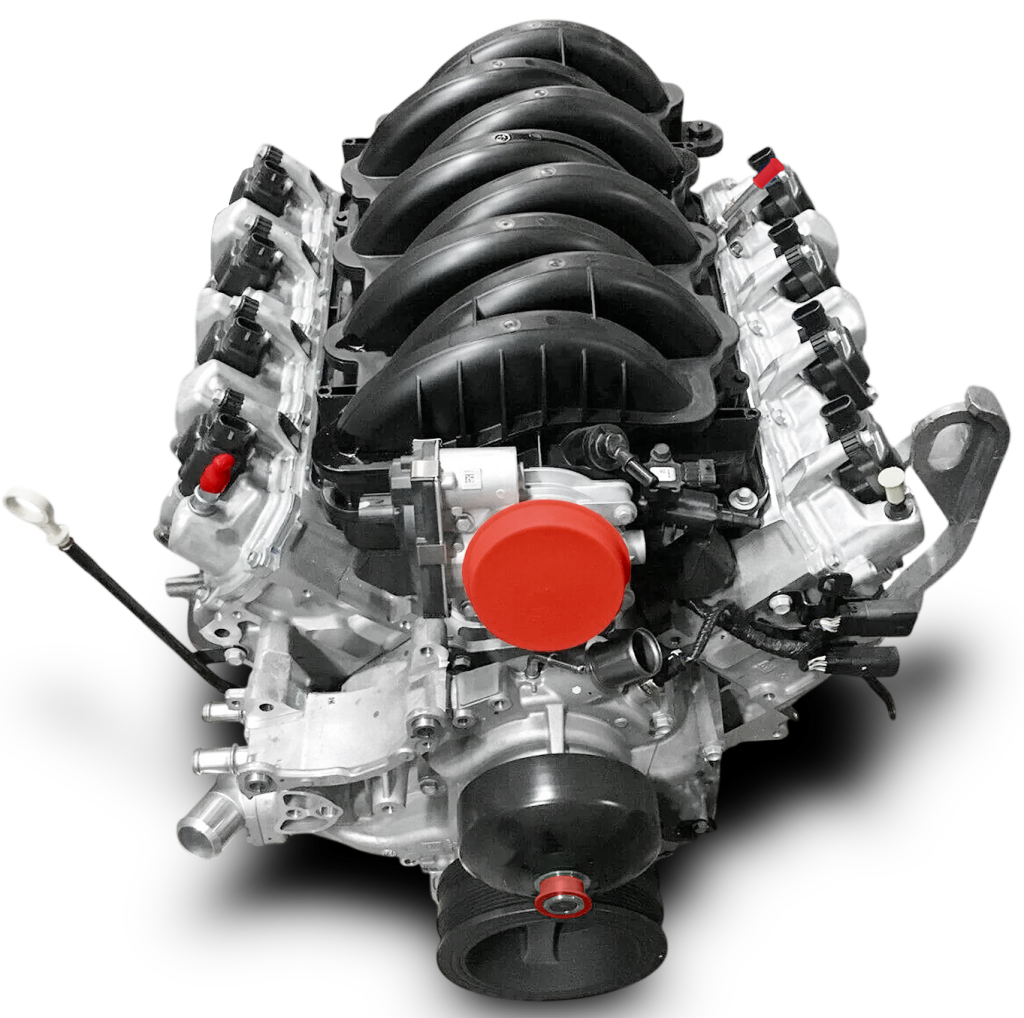
Engineered for both power and efficiency, the L87 features an aluminum block and cylinder heads, contributing to reduced overall vehicle weight and improved thermal management. It utilizes a sophisticated direct fuel injection (DFI) system, precisely atomizing fuel directly into the combustion chambers for enhanced efficiency and power delivery. A key technological advancement is the Dynamic Fuel Management (DFM) system, which can deactivate any number of cylinders in various firing patterns to optimize fuel economy under light loads, a significant evolution from previous Active Fuel Management (AFM) systems. Continuously Variable Valve Timing (CVVT) further refines engine breathing across the RPM range, optimizing torque and horsepower while improving emissions.
The L87 engine has been deployed in a range of premium and heavy-duty vehicles within the GM lineup. Its primary applications include the 2021 and newer Cadillac Escalade and Escalade ESV, the GMC Yukon Denali and Yukon XL Denali, and certain trims of the Chevrolet Tahoe, Suburban, Silverado, and GMC Sierra where the 6.2L V8 is offered as a premium power plant. Its deployment signifies its role as a high-performance, high-capacity option for GM’s most demanding full-size vehicles.
Technical Specifications
| Specification | Value |
|---|---|
| Displacement (cc) | 6162 |
| Max Power (hp (kW) @ RPM) | 420 hp (313 kW) @ 5600 RPM |
| Max Torque (Nm (kg*m) @ RPM) | 624 Nm (63.6 kg*m) @ 4100 RPM |
| Fuel Type | Premium Unleaded (91+ RON recommended) |
| Fuel Consumption (l/100 km) | Approx. 12.4 (Combined, varies by vehicle/drivetrain) |
| Engine Type | Naturally Aspirated V8, OHV Pushrod |
| Compression Ratio | 11.5:1 |
| Cylinder Bore (mm) | 103.25 |
| Piston Stroke (mm) | 92 |
| Valvetrain | Overhead Valve (OHV), Hydraulic Roller Lifters |
| Valves per Cylinder | 2 (16 total) |
| Additional Info | Dynamic Fuel Management (DFM), Direct Injection (DI), Continuously Variable Valve Timing (CVVT) |
Common Problems & Reliability
- Dynamic Fuel Management (DFM) Lifter Issues: While an improvement over earlier AFM systems, the DFM system’s lifters can still be prone to failure. Symptoms include engine misfires, rough idling, ticking noises from the valvetrain, and potential camshaft lobe wear. This issue often necessitates significant repair, including lifter and potentially camshaft replacement.
- Carbon Buildup on Intake Valves: As a direct fuel injection (DFI) engine, the L87 is susceptible to carbon accumulation on the intake valves. Without fuel washing over the valves, deposits from crankcase ventilation and exhaust gas recirculation can build up, leading to reduced airflow, decreased performance, and potential misfires over time.
- Oil Consumption: Some L87 engines, like other DFM/AFM-equipped GM V8s, may exhibit higher-than-average oil consumption between service intervals. While often within manufacturer specifications, diligent oil level monitoring is essential to prevent low oil conditions that can exacerbate other issues.
With diligent maintenance and timely addressing of DFM-related concerns, the Cadillac L87 engine can achieve a realistic expected service life exceeding 250,000 kilometers (150,000 miles) before requiring major internal overhaul.
Maintenance Tips & Service Schedule
- Engine Oil & Filter: Adhere strictly to the manufacturer’s recommended oil viscosity (typically 0W-20 or 5W-30 full synthetic, as specified in the owner’s manual) and change intervals. Utilize the vehicle’s Oil Life Monitor (OLM), but generally, changes are advised every 7,500-12,000 kilometers (4,500-7,500 miles) or annually, whichever comes first, especially for vehicles frequently used for towing or in harsh conditions. Regular oil analysis can help detect early signs of wear.
- Spark Plugs: Replace iridium-tipped spark plugs approximately every 160,000 kilometers (100,000 miles). Using the correct OEM or equivalent specified plugs is crucial for optimal performance and fuel efficiency.
- Timing System: The L87 utilizes a timing chain system, which is designed for the life of the engine. Regular oil changes are vital for chain longevity. Inspection for excessive slack or noise may be warranted at very high mileages (250,000 km+) but routine replacement is not specified.
- Coolant Flush: Perform a coolant flush and refill every 5 years or 150,000 kilometers (100,000 miles) using Dex-Cool extended-life coolant to maintain cooling system efficiency and protect internal components.
- Fuel System Cleaning: Given the direct injection design, periodic use of top-tier fuel and a high-quality fuel system cleaner can help mitigate carbon buildup on injectors and combustion chambers. Walnut blasting or similar intake valve cleaning may be necessary at higher mileages to remove stubborn carbon deposits.
Conclusion
The Cadillac L87 engine stands as a powerful and capable heart for GM’s premium full-size vehicles. It delivers impressive performance, towing capacity, and refined operation. For a used vehicle buyer, it represents a generally reliable choice, provided the vehicle has a documented history of consistent maintenance. Awareness and proactive monitoring for potential DFM system issues are paramount, as these can be costly to resolve if neglected. With proper care, timely fluid changes, and attention to any unusual engine noises, the L87 can provide many years and miles of dependable service, making it a strong contender in the pre-owned market.