What Does Code B1391 Mean?
DTC B1391 signifies an electrical fault within the engine oil level sensor circuit. The Engine Control Module (ECM), often referred to as the Powertrain Control Module (PCM), monitors the electrical signal output from the engine oil level sensor. This sensor is typically mounted in the oil pan and provides real-time information to the ECM regarding the quantity of engine oil present. When the ECM detects an implausible electrical characteristic in this circuit—such as an open circuit (no signal), a short to ground (signal constantly low), or a short to voltage (signal constantly high) that deviates from expected operational parameters—it interprets this as a circuit failure, illuminating the Malfunction Indicator Lamp (MIL) and storing code B1391. This code specifically points to a problem with the electrical integrity of the monitoring system rather than an actual low oil level condition, though a circuit failure will prevent accurate oil level assessment by the vehicle’s onboard systems.
Common Symptoms
- Malfunction Indicator Lamp (MIL) illumination: The “Check Engine” light will be activated on the instrument cluster.
- Engine Oil Warning Light: If equipped, a dedicated oil level warning light may illuminate, indicating a system fault rather than necessarily a low oil level.
- “Check Oil Level System” Message: On vehicles with advanced driver information displays, a message might appear advising a system check.
- Inaccurate Oil Level Readings: The vehicle’s electronic oil level display, if present, may show an incorrect or static reading.
- No immediate drivability concerns: As this circuit typically provides a warning function rather than direct engine control input, there are usually no noticeable performance issues or changes in engine operation.
What Causes the Code B1391?
- Faulty Engine Oil Level Sensor/Switch: Internal electrical failure within the sensor itself, leading to an incorrect or absent signal output.
- Wiring Harness Damage:
- Open circuit (break) in the power supply, ground, or signal wire to or from the sensor.
- Short to ground in the power supply or signal wire.
- Short to voltage in the ground or signal wire.
- Chafed, corroded, or damaged insulation on the wiring.
- Corroded or Damaged Electrical Connector: Compromised connection at the oil level sensor or the ECM/PCM, often due to moisture ingress, bent pins, or poor terminal tension.
- ECM/PCM Malfunction: While less common, an internal fault within the ECM/PCM’s oil level monitoring circuit can also trigger this code.
How to Diagnose and Troubleshoot
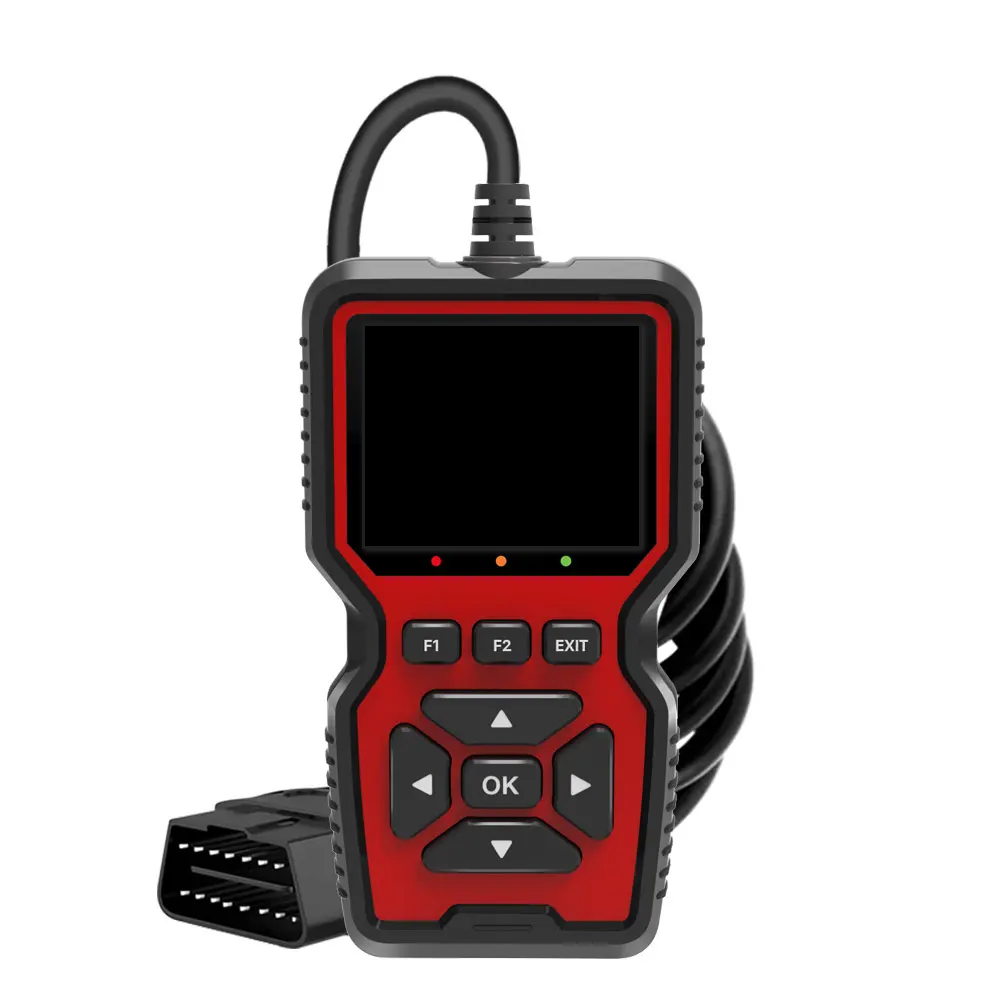
Diagnosis of B1391 requires a systematic approach, utilizing a digital multimeter (DMM) and an OBD-II scanner:
- Verify Code and Related Information: Connect an OBD-II scanner to confirm B1391 is present. Check for any other related codes that might indicate a shared circuit issue. Review live data for the oil level sensor (if available and not a simple switch type). A static or implausible voltage reading (e.g., 0V or 5V constantly) is often indicative of a circuit fault.
- Visual Inspection:
- Locate the engine oil level sensor, typically mounted in the engine oil pan.
- Inspect the sensor’s electrical connector for signs of corrosion, bent pins, oil contamination, or damage. Ensure it is securely seated.
- Trace the wiring harness from the sensor back towards the ECM/PCM, visually inspecting for cuts, chafing, pinching, or signs of rodent damage, particularly where the harness passes through engine components or around sharp edges.
- Check Power Supply to Sensor:
- Disconnect the oil level sensor electrical connector.
- With the ignition ON, use a DMM to measure voltage between the power supply pin on the harness side of the connector and a known good chassis ground. Compare this reading to the vehicle’s service manual specifications (typically 5V reference or battery voltage).
- If no voltage is present, troubleshoot the power supply circuit back to the ECM/PCM or fuse box, checking for an open circuit.
- Check Ground Circuit Integrity:
- With the ignition OFF and the sensor connector still disconnected, use a DMM set to continuity or resistance mode.
- Measure resistance between the ground pin on the harness side of the connector and a known good chassis ground. Resistance should be very low (typically less than 0.5 ohms).
- If high resistance or an open circuit is found, troubleshoot the ground wire back to its grounding point or the ECM/PCM.
- Check Signal Circuit Integrity:
- With the ignition OFF and the sensor connector disconnected, disconnect the ECM/PCM connector where the oil level sensor signal wire terminates.
- Use a DMM to check for continuity between the signal wire pin at the sensor harness connector and the corresponding signal wire pin at the ECM/PCM harness connector. There should be very low resistance (continuity).
- While still disconnected from both ends, check for shorts to ground on the signal wire by measuring resistance between the signal wire and chassis ground (should be infinite resistance). Also, check for shorts to voltage (if applicable) using an appropriate test procedure from the service manual.
- Test the Oil Level Sensor: If all wiring, power, and ground checks pass, the sensor itself is likely faulty. Some sensors can be tested for internal resistance or continuity changes (switch type) by varying the oil level or applying external stimuli as per service manual specifications.
- Wiggle Test: With the DMM connected to monitor voltage or continuity, gently wiggle the wiring harness and connectors while observing the readings. Erratic changes indicate an intermittent connection issue.
Recommended Repairs and Solutions
Once the root cause of B1391 has been accurately identified, the following repairs are typically recommended:
- Repair or Replace Wiring Harness/Connector: If visual inspection or DMM tests confirm damaged wires, frayed insulation, or corroded connector terminals, perform precise repairs. Use automotive-grade wiring, heat-shrink tubing, and appropriate butt connectors or terminal repair kits. In cases of extensive damage, replacing the affected section of the wiring harness or the entire sub-harness may be necessary. Ensure all connections are watertight and secure to prevent future issues.
- Replace Engine Oil Level Sensor/Switch: This is a common solution if the sensor itself is determined to be faulty after verifying all associated wiring and power/ground circuits. Ensure the replacement part is an exact match for the vehicle’s year, make, and model. When replacing, it’s advisable to drain the engine oil first to prevent spillage, as the sensor is typically installed in the oil pan.
- ECM/PCM Replacement (Last Resort): Only consider replacing the ECM/PCM after all other potential causes (sensor, wiring, connectors, power, and ground) have been exhaustively tested and ruled out. ECM/PCM failures for a circuit specific code like B1391 are rare but can occur due to internal component failure. This typically requires specialized programming and calibration after installation.
After any repair, clear the DTCs with an OBD-II scanner. Perform a test drive under various conditions or follow the manufacturer’s specific drive cycle procedure to confirm that the code does not reappear and that the oil level monitoring system is functioning correctly. Always manually check the engine oil level with the dipstick to ensure it is within the manufacturer’s recommended range, as the electrical system repair does not address the actual oil quantity.