What Does Code B1413 Mean?
The diagnostic trouble code (DTC) B1413 indicates a detected electrical short to ground within the driver’s side power window motor circuit. In modern vehicle architectures, the Body Control Module (BCM) or an integrated door module (IDM), rather than the Engine Control Module (ECM/PCM), is typically responsible for monitoring and controlling body electrical components like power windows. This control module constantly monitors the voltage and current characteristics of the power window motor circuit. When the module detects an abnormally low voltage reading across the motor, an excessively high current draw, or a direct continuity path from the motor’s power supply circuit to chassis ground, it interprets this as a short circuit. This short circuit diverts electrical current away from the motor, preventing it from operating correctly and often leading to a blown fuse as a protective measure. The BCM/IDM registers this anomaly and sets the B1413 code, affecting the functionality of the driver’s power window system specifically.
Common Symptoms
- Inoperative Driver’s Power Window: The most direct symptom, where the driver’s window will not move up or down when commanded.
- Intermittent Window Operation: The window may work sporadically, often accompanied by clicking sounds or a temporary loss of function.
- Slow or Jerky Window Movement: A partial short or excessive resistance due to minor grounding issues can cause the motor to operate with reduced power.
- Blown Fuse: The fuse protecting the driver’s power window circuit will frequently blow upon attempting to operate the window, indicating a direct short.
- Unusual Electrical Odors: A burning smell may emanate from the door panel due to overheating wires or motor components.
What Causes the Code B1413?
- Damaged Wiring Harness: Frayed, pinched, or chafed wiring within the door jamb (where the harness passes from the body to the door), inside the door panel, or leading directly to the window motor. Repeated opening and closing of the door can cause wire fatigue and insulation breaches.
- Faulty Driver Power Window Motor: An internal short circuit within the motor’s windings, commutator, or brush assembly. Over time, insulation breakdown or debris can create a path to ground within the motor itself.
- Defective Power Window Switch Assembly: An internal short within the driver’s side power window switch or its associated sub-circuitry. Corrosion or physical damage can cause the switch contacts or internal components to short to ground, even when not actively pressed.
- Water Intrusion or Corrosion: Water entering the door panel can lead to corrosion in electrical connectors (e.g., at the motor or switch) or create a direct conductive path to ground through moisture.
- Compromised Electrical Connectors: Loose, corroded, or damaged pins/sockets within the electrical connectors to the window motor, switch, or door module can lead to intermittent or constant shorting conditions.
How to Diagnose and Troubleshoot
Diagnosis of B1413 requires systematic electrical testing to pinpoint the exact location of the short to ground. Always begin with safety precautions, including disconnecting the battery before extensive wiring work.
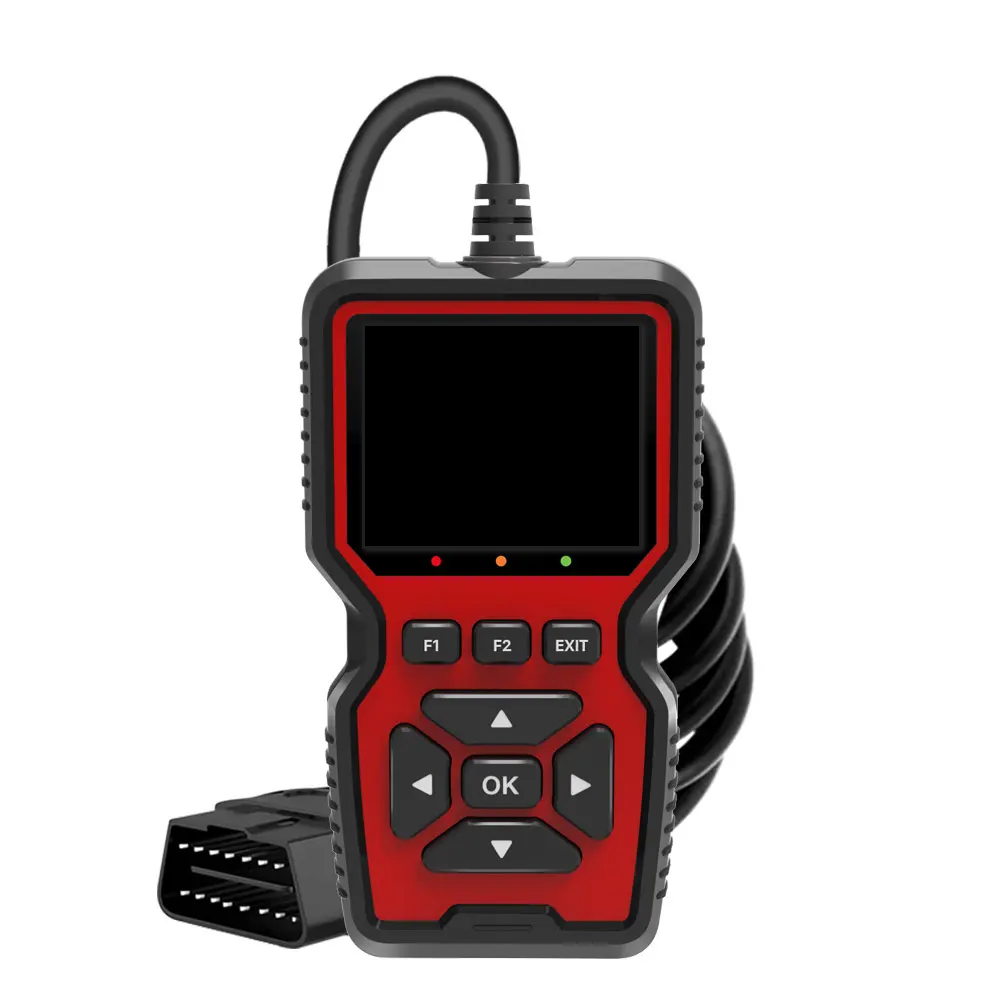
- Verify the Code and Symptoms: Connect an OBD-II scanner to confirm B1413 is present. Observe the fuse for the driver’s power window circuit; if it’s blown, replace it with the correct amperage fuse for initial testing.
- Visual Inspection:
- Carefully remove the driver’s door panel.
- Inspect the entire wiring harness running to the window motor and switch for visible signs of damage, pinching, chafing, or corrosion. Pay close attention to the flexible conduit in the door jamb.
- Check all electrical connectors (motor, switch, door module) for corrosion, bent pins, or signs of water intrusion.
- Digital Multimeter (DMM) Testing for Short to Ground:
- Isolate Components: Disconnect the electrical connector at the driver’s power window motor. Also, disconnect the driver’s power window switch assembly. This isolates the wiring between the module and the components.
- Wiring Harness Test: Set your DMM to the Ohms (resistance) scale. Place one probe on the power supply wire(s) for the window motor circuit (consult a wiring diagram for the correct pinouts) and the other probe to a known good chassis ground point. A reading of less than 10,000 Ohms (or near 0 Ohms) indicates a short to ground in the wiring harness itself. If the reading is high (open circuit/infinite), the harness is likely good, and the short is in a component.
- Motor Test: If the harness tests good, reconnect the motor and re-test the circuit. A short now indicates the motor is internally shorted. You can also test the motor’s internal resistance by probing its terminals (again, consult specifications for expected resistance; a very low resistance could signify an internal short).
- Switch Test: If the motor tests good, reconnect the switch and re-test the circuit. A short now indicates the switch assembly is at fault. Test continuity from the switch’s power input to ground without activation; any continuity suggests an internal short.
- Power & Ground Verification (if no short is found): If the fuse does not blow and no short is initially detected, reconnect all components. With the key ON and using a DMM, check for battery voltage at the motor connector when the window switch is pressed for UP and DOWN, and ensure a good ground is present. A lack of voltage or ground, despite a good fuse, could point to the control module or further upstream wiring.
- Component Isolation: If the fuse blows repeatedly, systematically disconnect each component (motor, then switch, then main harness connector at the door module if accessible) and re-install a new fuse. The component that, when reconnected, causes the fuse to blow again is the likely source of the short.
Recommended Repairs and Solutions
Once the source of the B1413 code has been accurately diagnosed, the repair typically involves component replacement or wiring repair:
- Repair or Replace Damaged Wiring: If the wiring harness is found to be chafed, pinched, or corroded, the affected section must be repaired. For minor damage, carefully strip back insulation, solder a new section of wire of the correct gauge, and seal with heat-shrink tubing. For extensive damage or multiple points of failure, replacing the entire door harness may be more efficient and reliable. Ensure proper routing to prevent future chafing.
- Replace Faulty Driver Power Window Motor: If the window motor tests as internally shorted, it must be replaced. Ensure the new motor is compatible with the vehicle’s make, model, and year. Often, the motor comes as part of the window regulator assembly. Lubricate the window tracks and inspect the regulator mechanism for smooth operation after replacement.
- Replace Defective Power Window Switch Assembly: If the driver’s power window switch assembly is the culprit, replace it with a new OEM or high-quality aftermarket unit. Ensure all connectors are securely seated and the switch operates smoothly before reassembling the door panel.
- Address Water Intrusion and Corrosion: If water ingress or corrosion is evident, repair any torn or missing vapor barriers within the door and clean all corroded connectors using electrical contact cleaner and a small brush. Apply dielectric grease to the connector pins to prevent future corrosion.
- Clear DTCs and Test: After completing the repair, clear the B1413 code using an OBD-II scanner. Thoroughly test the driver’s power window operation (up, down, auto-up/down if equipped) multiple times to confirm the repair is successful and the code does not return.