What Does Code P1643 Mean?
DTC P1643 signifies a “Fuel Pump Monitor Circuit Low Input.” This code indicates that the Powertrain Control Module (PCM), or Engine Control Module (ECM) depending on the manufacturer, has detected a voltage signal from the fuel pump monitor circuit that is below its calibrated operational threshold. Modern fuel delivery systems often employ a dedicated monitoring circuit, frequently integrated within the Fuel Pump Control Module (FPCM) or a sophisticated fuel pump relay, to provide feedback to the PCM regarding the operational status and integrity of the fuel pump’s power supply circuit. This feedback loop allows the PCM to verify that the fuel pump is receiving adequate voltage and current to function correctly. A “low input” suggests either an open circuit, a short to ground, excessive resistance, or a failure of the monitoring component itself, preventing the PCM from confirming proper fuel pump circuit activity. The primary subsystem affected is the vehicle’s fuel delivery system, potentially compromising fuel pressure and volume necessary for engine operation.
Common Symptoms
- Engine No-Start Condition: The most prevalent symptom, as the fuel pump may not receive power or may be inhibited by the PCM due to the detected fault.
- Engine Cranks, But Does Not Fire: Insufficient fuel pressure due to a non-operational or intermittently operating fuel pump.
- Intermittent Engine Stalling: If the low input is an intermittent condition, the fuel pump may lose power sporadically, leading to unexpected engine shutdown.
- Reduced Engine Performance or Hesitation: In scenarios where the fuel pump is still receiving some power but the circuit integrity is compromised, leading to sub-optimal fuel delivery.
- Illumination of the Malfunction Indicator Lamp (MIL): The Check Engine Light will be activated once the fault is detected and stored.
What Causes the Code P1643?
- Faulty Fuel Pump Control Module (FPCM) or Fuel Pump Relay: An internal defect within the FPCM or relay that is responsible for monitoring the fuel pump circuit, causing it to send an erroneous low voltage signal to the PCM, or failing to supply proper voltage to the pump.
- Open Circuit or Short to Ground in the Fuel Pump Monitor Wire: Damage to the specific wiring harness connecting the FPCM/relay’s monitor output to the PCM’s input, resulting in no voltage or an abnormally low voltage reaching the PCM.
- High Resistance in the Fuel Pump Monitor Circuit: Corrosion, loose terminals, or poor crimps in connectors or wiring splices leading to an excessive voltage drop along the monitor circuit.
- Corroded or Loose Electrical Connections: Degraded terminals at the FPCM, fuel pump relay, fuel pump connector, or PCM connector leading to an intermittent or constant low signal.
- Internal PCM Fault: While less common, a defective input circuit within the PCM itself could misinterpret a valid signal as a low input.
How to Diagnose and Troubleshoot
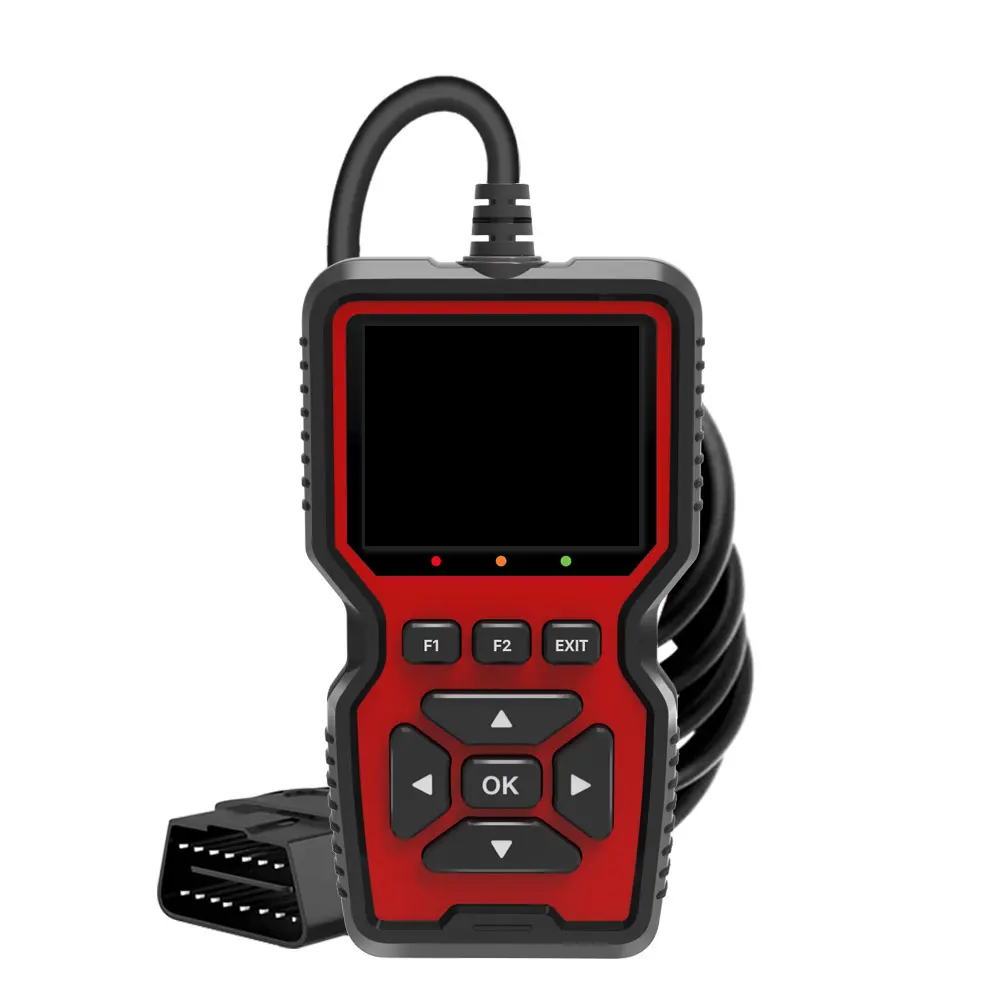
Diagnosing P1643 requires a systematic approach using a digital multimeter (DMM), an OBD-II scan tool, and a comprehensive wiring diagram for the specific vehicle.
- Retrieve and Analyze DTCs and Freeze Frame Data: Connect an OBD-II scan tool to confirm P1643 is present. Check for any other related fuel system or electrical codes that might provide additional context. Review freeze frame data to understand engine conditions (RPM, engine load, coolant temp, etc.) when the code was set.
- Visual Inspection of Fuel Pump Circuit Wiring and Connectors: Carefully inspect the wiring harness leading to the fuel pump, the FPCM (if equipped), the fuel pump relay, and the PCM. Look for signs of chafing, cuts, corrosion, loose terminals, or factory splice issues. Pay close attention to any areas where the harness might rub against sharp edges or heat sources.
- Verify Fuses and Relays: Check the fuse(s) protecting the fuel pump circuit using a DMM for continuity, not just a visual inspection. Swap the fuel pump relay with a known good, identical relay from another non-critical circuit (e.g., horn relay) to rule out a faulty relay if applicable.
- Perform Voltage Drop Test on Fuel Pump Power Circuit: With the ignition ON (and engine cranking/running if possible) and a functional fuel pump, use a DMM to measure voltage drop across the fuel pump’s power and ground circuits. Excessive voltage drop can indicate high resistance, even if the monitor circuit itself isn’t directly the problem, it can affect overall system integrity.
- Test the Fuel Pump Monitor Circuit for Continuity and Resistance:
- Locate the Monitor Wire: Using a wiring diagram, identify the specific fuel pump monitor wire between the FPCM/relay and the PCM. Disconnect the FPCM/relay and PCM connectors.
- Continuity Check: Use the DMM to test for continuity on the monitor wire from end-to-end. Resistance should be very low (typically less than 0.5 ohms). An open circuit will show infinite resistance.
- Short to Ground/Power Check: With both ends of the monitor wire disconnected, check for continuity between the monitor wire and chassis ground, and between the monitor wire and B+ (battery voltage). There should be no continuity in either test.
- Measure Voltage at PCM Monitor Input Pin: Reconnect all components except the PCM connector. Back-probe the PCM connector pin for the fuel pump monitor circuit with the DMM. With the ignition ON (and fuel pump primed or running), observe the voltage. Compare this reading to the specified voltage range in the factory service manual. A significantly low reading confirms the issue is upstream of the PCM.
- Test FPCM Output (if applicable): If the vehicle uses an FPCM, test its output signal on the monitor wire directly at the module’s connector. Compare this voltage to factory specifications. If the FPCM output is low, but its power and ground inputs are good, the FPCM itself is likely faulty.
Recommended Repairs and Solutions
The repair for P1643 will depend directly on the diagnostic findings.
- Repair or Replace Damaged Wiring/Connectors: If an open circuit, short, or high resistance is found in the monitor wire or associated power/ground circuits, the affected section of the wiring harness or connector terminals must be professionally repaired. Use appropriate gauge wire, solder connections with heat shrink tubing, and ensure proper routing and strain relief. Never use quick-splice connectors for critical circuits.
- Replace Faulty Fuel Pump Control Module (FPCM) or Fuel Pump Relay: If diagnostics point to an internal failure of the FPCM or relay (e.g., proper power/ground inputs but no correct monitor output), replace the component with a new, OEM-quality part.
- Clean Corroded Terminals: If corrosion at a connector is causing high resistance, carefully clean the terminals using electrical contact cleaner and a small brush. Ensure a tight fit when reconnecting.
- Replace the PCM: Only consider PCM replacement as a last resort, after meticulously verifying all external wiring, components, and power/ground supplies to the PCM are confirmed to be in perfect working order. PCM replacement typically requires programming, which often necessitates dealership-level tools.
Mechanics’ Tips:
- Always disconnect the negative battery terminal before performing any electrical repairs to prevent accidental shorts or damage to sensitive electronic components.
- After any repair, clear the DTCs with a scan tool and perform a comprehensive test drive under various operating conditions to confirm the repair and ensure the code does not return.
- Check for any relevant Technical Service Bulletins (TSBs) or recalls for your specific vehicle make and model, as manufacturers sometimes issue advisories for known issues related to fuel pump monitoring systems.
- When replacing modules, ensure proper component registration or programming according to manufacturer specifications.