What Does Code P1642 Mean?
DTC P1642 signifies an issue within the fuel pump monitor circuit, specifically indicating a “High Input” condition detected by the Powertrain Control Module (PCM) or Engine Control Module (ECM). The PCM utilizes a dedicated feedback circuit to monitor the operational status and integrity of the fuel pump and its associated control components, such as the fuel pump relay or a dedicated Fuel Pump Control Module (FPCM). This monitoring circuit allows the PCM to verify that the fuel pump is receiving the correct voltage and is operating as commanded, or to confirm the voltage characteristics of the control signal itself. A “High Input” typically means the PCM is observing a voltage on this monitor circuit that is continuously at or near battery voltage, or significantly above the expected operational range, when a lower or variable voltage is anticipated. This unexpected high voltage suggests an electrical fault within the circuit, preventing the PCM from accurately assessing the fuel pump’s status or control signal, which can lead to misdiagnosis of fuel delivery issues or an inability to properly control fuel system pressure.
Common Symptoms
- Malfunction Indicator Light (MIL) illumination: The “Check Engine” light will be illuminated on the dashboard.
- Intermittent or persistent no-start condition: The PCM may inhibit fuel pump operation if it cannot verify the circuit’s integrity, leading to fuel starvation.
- Engine cranking, no-start: Fuel pump may not be priming or operating during cranking due to PCM’s safety protocol.
- Engine stalling: Less common, but possible if the faulty monitor circuit leads to an unexpected fuel pump shutdown while the engine is running.
- Reduced engine performance: Indirectly, if the PCM’s interpretation of the monitor circuit issue affects fuel pressure regulation or delivery.
- Inability to clear the DTC: The P1642 code may immediately reset after clearing if the underlying electrical fault is constant.
What Causes the Code P1642?
- Short to voltage in the fuel pump monitor circuit wiring: The monitor wire is making contact with a B+ (battery positive) source, such as a chafed wire contacting another power wire or a faulty component feeding excessive voltage.
- Open circuit or high resistance in the fuel pump monitor circuit: Although “high input” typically implies excess voltage, an open circuit in certain feedback configurations (e.g., a pulled-up circuit) can result in a high voltage reading at the PCM’s input.
- Faulty fuel pump relay: An internally shorted or stuck-closed fuel pump relay can continuously supply voltage to the monitor circuit when it shouldn’t, or provide an incorrect feedback signal.
- Faulty Fuel Pump Control Module (FPCM): If the vehicle is equipped with an FPCM, a malfunction within this module could lead to it sending an erroneous high voltage signal back to the PCM on the monitor circuit.
- Corroded or damaged connector terminals: Poor electrical contact at the fuel pump, FPCM, fuel pump relay, or PCM connectors can lead to intermittent or constant high voltage readings due to altered circuit characteristics.
- Internal PCM/ECM fault: Although less common, a defective input driver or internal short within the PCM itself can cause it to misinterpret the voltage on the fuel pump monitor circuit.
How to Diagnose and Troubleshoot
Diagnosis of P1642 requires a systematic approach using a digital multimeter (DMM) and a comprehensive wiring diagram specific to the vehicle.
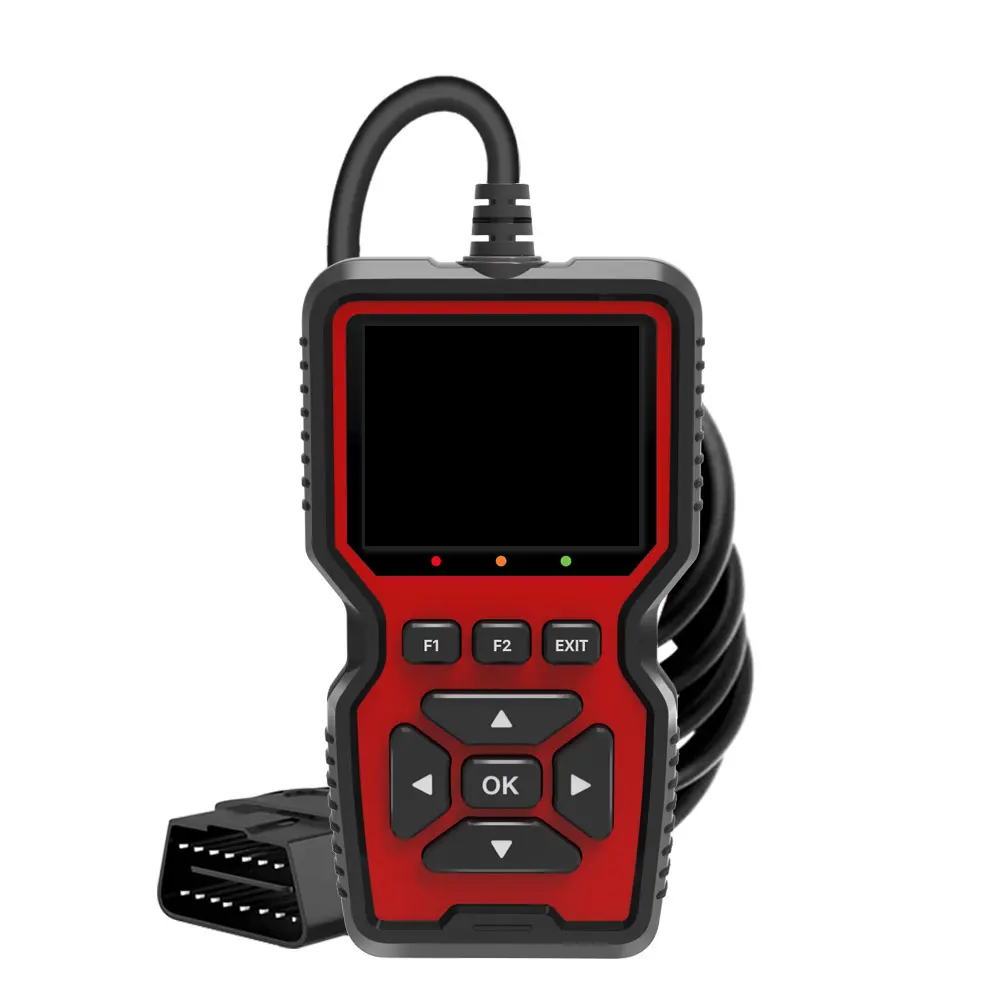
- Verify the Code and Review Freeze Frame Data: Connect an OBD-II scanner to confirm P1642 and check for any related or pending codes. Analyze freeze frame data to understand engine conditions (RPM, load, temperature) when the code was set, which can provide clues about intermittent issues.
- Visual Inspection: Begin with a thorough visual inspection of the fuel pump wiring harness, connectors, fuel pump relay, and FPCM (if applicable). Look for any signs of chafing, fraying, corrosion, or damage to wires and terminals that could cause a short to voltage or an open circuit. Ensure all connectors are securely seated.
- Obtain Wiring Diagrams: Acquire the vehicle-specific wiring diagram for the fuel pump monitor circuit. Identify the exact wire, its color code, connector pinouts, and the components it connects (PCM, FPCM, fuel pump relay).
- Perform Voltage Measurement at PCM Connector:
- Disconnect the PCM connector. Using the wiring diagram, identify the specific pin for the fuel pump monitor circuit input to the PCM.
- With the ignition OFF, measure voltage between the monitor circuit wire (on the harness side, not the PCM) and a known good ground. A reading of battery voltage indicates a direct short to power.
- With the ignition ON (engine OFF), repeat the voltage measurement. Compare this reading to the specified voltage range in the service manual. An excessively high voltage (e.g., battery voltage when 0V or a low reference voltage is expected) confirms a high input condition originating external to the PCM.
- Perform Continuity and Resistance Checks:
- With the ignition OFF and both ends of the monitor circuit wire disconnected (e.g., at PCM and FPCM/relay), check for continuity through the wire. High resistance or an open circuit indicates internal wiring damage.
- Check for continuity between the monitor circuit wire and chassis ground. Any continuity indicates a short to ground.
- Check for continuity between the monitor circuit wire and known B+ sources (e.g., battery terminal, fused power wires). Any continuity here confirms a short to power.
- Test Fuel Pump Relay/FPCM:
- If the monitor circuit passes through the fuel pump relay, test the relay’s coil resistance and switch operation according to service manual specifications. A faulty relay (e.g., stuck closed contacts) can cause a continuous high voltage on the monitor circuit.
- If an FPCM is present, verify its power and ground inputs. Testing the FPCM’s internal logic and output feedback often requires specialized diagnostic equipment or substitution with a known good unit, as internal component testing is complex. However, verifying its external connections and voltage outputs on the monitor line is crucial.
Recommended Repairs and Solutions
Once the root cause of P1642 has been precisely identified through methodical diagnosis, the following repairs are typically applicable:
- Repair or Replace Damaged Wiring/Connectors: This is the most frequent resolution. Repair any shorted, open, or corroded wiring within the fuel pump monitor circuit. Utilize appropriate wiring repair techniques, such as soldering and heat-shrinking, or replace entire harness sections if the damage is extensive. Replace corroded or damaged connector terminals to ensure optimal electrical contact.
- Replace Faulty Fuel Pump Relay: If diagnostic testing confirmed an internal fault with the fuel pump relay (e.g., contacts stuck closed, excessive internal resistance affecting feedback voltage), replace it with an OEM or equivalent quality part.
- Replace Fuel Pump Control Module (FPCM): If diagnostics strongly indicate the FPCM is the source of the erroneous high voltage feedback to the PCM, replace the module. Be aware that some FPCMs may require programming or synchronization with the PCM after replacement, so consult the vehicle’s service manual.
- PCM/ECM Replacement (Last Resort): If all external wiring, connectors, relay, and FPCM (if present) have been thoroughly tested and confirmed to be in good working order, and the high voltage condition is verified at the PCM input pin (meaning the fault is internal to the PCM), then the PCM itself may need to be replaced. This is an expensive repair and should only be undertaken after ruling out all other possibilities. PCM replacement typically requires specialized programming or ‘flashing’ to match the vehicle’s VIN and specific options.
- Post-Repair Verification: After performing any repairs, clear all diagnostic trouble codes using an OBD-II scanner. Then, conduct a thorough test drive, simulating conditions under which the code initially set, to confirm that the P1642 code does not return and that the fuel pump system operates correctly across various engine states.