What Does Code B1418 Mean?
DTC B1418 signifies a malfunction within the electrical circuit of the passenger-side power window motor. This code is typically set by the Body Control Module (BCM) or a dedicated Power Window Control Module (PWCM), which monitors the operational status and electrical characteristics of various body systems, including power windows. When the BCM/PWCM detects an anomalous electrical signal, an open circuit, a short circuit, or an excessive current draw within the passenger window motor’s control circuit, it triggers this diagnostic trouble code. This usually means the module is not receiving the expected feedback or is detecting an electrical irregularity when attempting to actuate the motor, affecting the subsystem responsible for raising and lowering the passenger window glass.
Common Symptoms
- Passenger power window is inoperative: The window will not move up or down using either the passenger-side switch or the driver’s master switch.
- Intermittent window operation: The window may work sporadically, sometimes operating normally, other times failing completely.
- Slow or strained window movement: The window may move very slowly, get stuck, or exhibit audible signs of strain (grinding, groaning).
- One-touch up/down function failure: If equipped, the automatic one-touch feature for the passenger window may cease to function.
- Audible clicking from within the door panel: A clicking sound may be heard when attempting to operate the window, indicating relay activation without motor engagement.
What Causes the Code B1418?
- Faulty Passenger Power Window Motor: Internal electrical failure, worn commutator brushes, open or shorted motor windings, or a seized motor bearing.
- Damaged Wiring Harness or Connectors: Frayed, cut, or corroded wiring in the door jamb (due to repeated opening/closing), within the door panel, or at the motor/switch connectors. This can include issues with power, ground, or control signal wires.
- Faulty Passenger Power Window Switch: Internal failure of the passenger-side door switch (e.g., carbon buildup on contacts, internal short, or open circuit), preventing it from sending the correct signals to the BCM/PWCM or directly to the motor. The driver’s master window switch can also be a culprit if it’s responsible for controlling the passenger window.
- Seized or Binding Window Regulator Assembly: While not strictly an electrical fault, a mechanical issue with the regulator can cause the window motor to draw excessive current, leading to premature motor failure or triggering the BCM/PWCM to detect an overload condition in the circuit.
- Blown Fuse: A fuse protecting the passenger window circuit has failed due to an electrical short or persistent overload.
- Faulty Body Control Module (BCM) or Power Window Control Module (PWCM): Internal failure of the control module responsible for supplying power and control signals to the passenger window motor. This is less common but should not be overlooked.
How to Diagnose and Troubleshoot
Diagnosis of B1418 requires systematic testing using a digital multimeter (DMM) and an OBD-II scanner capable of reading B-codes and live data.
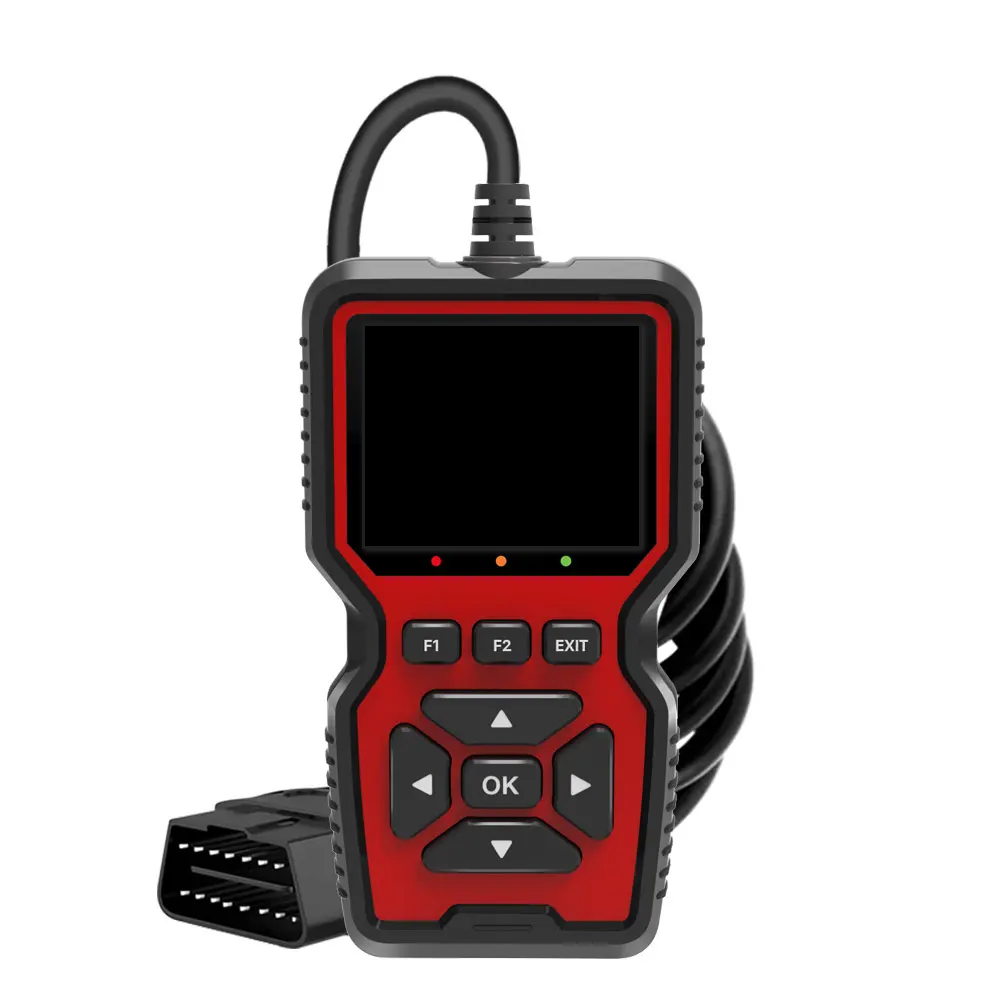
- Initial Scan and Freeze Frame Data: Connect an OBD-II scanner to confirm B1418 is present. Review freeze frame data to understand the conditions under which the code was set (e.g., vehicle speed, engine load, motor status). Check for any related B-, C-, or U-codes.
- Visual Inspection:
- Begin by visually inspecting the passenger door wiring harness, especially where it passes through the door jamb and into the door shell. Look for any signs of chafing, cuts, breaks, or severe corrosion.
- Remove the door panel and inspect the electrical connectors at the passenger window motor and the passenger window switch. Check for bent pins, corrosion, or loose connections.
- Manually attempt to move the window glass up and down to check for any mechanical binding or obstructions in the window tracks or regulator assembly.
- Fuse Verification: Locate the fuse(s) designated for the passenger power window circuit (refer to the vehicle’s service manual or fuse box diagram). Use a DMM to test for continuity across the fuse. A blown fuse indicates a circuit overload that requires further investigation.
- Power and Ground Circuit Test at Motor:
- With the door panel removed, disconnect the electrical connector from the passenger window motor.
- Using a DMM set to DC voltage, backprobe the terminals of the wiring harness connector that leads to the motor.
- While activating the passenger window switch (and the driver’s master switch, if applicable) in both the “up” and “down” positions, observe the voltage readings. You should see approximately 12V and a good ground at the motor connector, with the polarity reversing when changing direction. Lack of voltage or ground, or incorrect polarity, indicates an issue with the wiring, switch, or control module upstream.
- Perform a voltage drop test on both the power and ground circuits to ensure they can carry sufficient current under load.
- Window Motor Resistance Test (if applicable): For simpler DC motors, measure the resistance across the motor terminals directly (with the motor disconnected). Consult service specifications for the expected resistance range. An open circuit (OL on DMM) or very low resistance (short) typically indicates an internal motor failure. Note that many modern window motors integrate control modules, making simple resistance tests less direct.
- Switch Functionality Test:
- Test the passenger window switch and the driver’s master window switch for proper continuity and voltage output. This may involve using wiring diagrams to identify the switch’s input and output terminals and monitoring signals with the DMM.
- If the switch is not sending the correct voltage signals or shows internal resistance issues, it is likely faulty.
- Regulator Mechanical Inspection: If all electrical tests at the motor connector are good, but the window does not move smoothly, remove the motor from the regulator (if separate). Operate the window regulator manually. If it’s stiff, noisy, or binds, the regulator itself is faulty and causing excessive load on the motor.
Recommended Repairs and Solutions
Based on diagnostic findings, the following repairs are typically recommended:
- Repair or Replace Damaged Wiring: If inspection reveals damaged or corroded wiring, meticulously repair it using proper soldering techniques, heat-shrink tubing, and appropriate gauge wire. Replace any severely corroded or damaged connectors. Ensure the repaired section allows for proper flexibility in the door jamb.
- Replace Blown Fuse: If a blown fuse is found, replace it with a fuse of the correct amperage. Important: Always diagnose and rectify the underlying cause of the fuse blowing (e.g., shorted wiring, failing motor) before replacing the fuse to prevent immediate re-occurrence.
- Replace Passenger Power Window Motor: If the motor is confirmed to be receiving proper power and ground but remains inoperative, or if it fails internal resistance tests, replacement is necessary. In many vehicles, the window motor and regulator are sold as a single assembly, making replacement simpler.
- Replace Passenger Power Window Switch: If tests indicate the passenger window switch or the driver’s master switch is faulty, replace the entire switch unit. Ensure the replacement switch is compatible with the vehicle’s electrical system, especially regarding features like one-touch operation.
- Replace Window Regulator Assembly: If the regulator is found to be binding, bent, or otherwise mechanically compromised, it should be replaced. Even if the motor appears okay, a faulty regulator will put undue strain on the new motor, leading to premature failure. Lubricate window tracks after replacement.
- Replace Body Control Module (BCM) or Power Window Control Module (PWCM): This is a last resort, considered only after thoroughly ruling out all other components (wiring, motor, switches, fuses). BCM/PWCM replacement often requires specialized programming or ‘coding’ to the vehicle by a dealership or a specialist with appropriate diagnostic tools.
- Clear DTCs and Test Operation: After completing any repairs, clear the B1418 code using an OBD-II scanner. Operate the passenger window multiple times in both directions to verify proper function. Perform any necessary window motor relearn procedures specific to the vehicle manufacturer (e.g., holding the switch for several seconds after the window reaches its limits).