What Does Code B1417 Mean?
The diagnostic trouble code B1417 signifies a detected “Power Window LR Motor Circuit Short To Ground.” This code is typically set by the Body Control Module (BCM), Door Control Module (DCM), or an integrated vehicle control module responsible for body electronics. These modules continuously monitor the electrical characteristics of the circuits they control. When the module attempts to operate the Left Rear (LR) power window motor, it expects to see a specific voltage drop and current flow across the motor circuit. If the module detects an abnormally low resistance path directly to vehicle ground within the LR window motor’s power or control circuit, it identifies this as a short to ground. This condition can lead to excessive current draw, potential circuit overload, or module damage, and the module will often disable the affected circuit to prevent further issues. The subsystem affected is the vehicle’s power window system, specifically the electrical circuit feeding the Left Rear window motor.
Common Symptoms
- Inoperative Left Rear Power Window: The most direct symptom is the inability to operate the Left Rear window from either the master switch or the individual door switch.
- Intermittent Window Operation: The window may work sporadically, suggesting an intermittent short that is influenced by vibrations or door movement.
- Blown Fuse: A persistent short to ground can cause the fuse protecting the LR power window circuit to repeatedly blow, preventing operation.
- Other LR Door Functions Affected: Depending on the vehicle’s wiring architecture, a severe short in the LR door harness could potentially affect other electrical components within that door, such as door locks or mirror controls, if they share a common power or ground path.
What Causes the Code B1417?
- Damaged Wiring Harness: The most common cause is a compromised wire within the Left Rear door harness, particularly where it passes through the door jamb area (often called the “B-pillar boot”) due to repeated flexing. The insulation can chafe, pinch, or break, allowing the conductor to contact the metal chassis or door frame.
- Faulty Left Rear Power Window Motor Assembly: An internal short circuit within the window motor itself or its integrated wiring can cause current to bypass the motor’s windings and go directly to ground.
- Defective Left Rear Window Switch: The switch responsible for controlling the LR window may develop an internal short, directing power to ground prematurely.
- Corroded Electrical Connectors: Water intrusion into the door panel or door jamb can lead to corrosion in electrical connectors for the motor, switch, or wiring. This corrosion can create a conductive path to ground.
- Faulty Body Control Module (BCM) or Door Control Module (DCM): While less frequent, an internal short within the controlling module itself could potentially register this code. This is usually considered a last resort diagnosis after ruling out external circuit faults.
How to Diagnose and Troubleshoot
Diagnosis of B1417 requires careful electrical testing:
- Visual Inspection:
- Begin with a thorough visual inspection of the Left Rear door panel, checking for signs of water intrusion or previous repair work.
- Carefully inspect the wiring harness where it passes from the body into the Left Rear door through the rubber boot. Look for chafed, pinched, or severed wires.
- Remove the door panel and inspect the wiring within the door for any signs of damage, especially near moving parts of the window regulator.
- Examine all connectors for the window motor and switch for corrosion, loose pins, or damage.
- OBD-II Scanner & Freeze Frame Data:
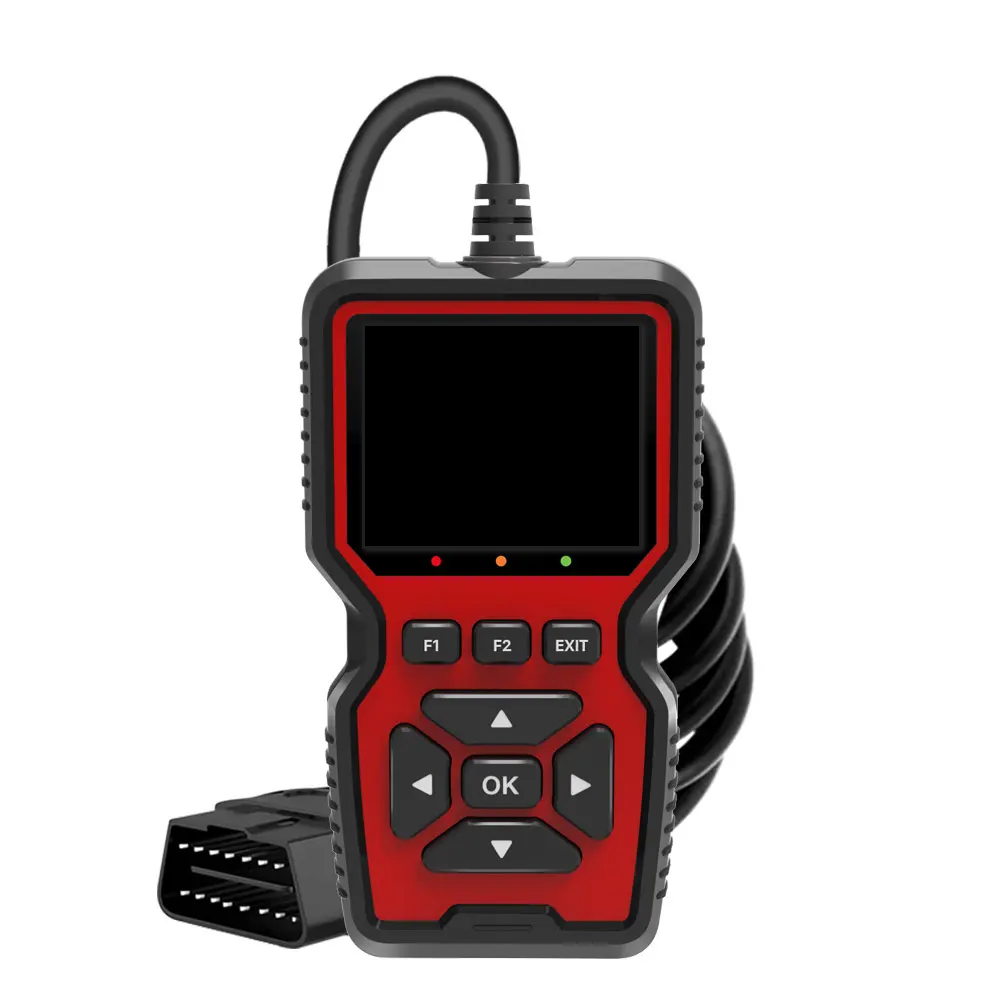
- Connect an OBD-II scanner to retrieve the B1417 code and any associated freeze frame data. This data can provide clues about the conditions (e.g., vehicle speed, engine RPM, voltage) present when the code was set.
- Check for other related B-codes or C-codes that might indicate a broader electrical issue.
- Digital Multimeter (DMM) Testing:
- Isolate the Circuit: Disconnect the electrical connector at the Left Rear window motor.
- Test for Short to Ground (Harness Side): With the ignition OFF and the relevant power window fuse removed (if applicable), use a DMM to measure resistance between the power/control wire terminals (on the harness side, leading back towards the module) and a known good chassis ground point. A reading of less than 1 ohm indicates a direct short to ground in the wiring or module. Systematically test each wire in the circuit.
- Test the Window Motor: Disconnect the motor from the harness. Using fused test leads, apply 12V and ground directly to the motor terminals. Reverse polarity to test both up and down functions. If the motor fails to operate, operates slowly, or the fuse blows, the motor itself is likely internally shorted or faulty. Also, measure the resistance between the motor terminals and the motor casing (ground). Any continuity indicates an internal short.
- Test the Window Switch: Disconnect the Left Rear window switch. Using the DMM, check for continuity between the switch’s output terminals and ground in all switch positions (up, down, neutral). An unintended short to ground within the switch will be evident.
- Continuity Test (Power & Ground): Verify good power and ground supply to the LR door module and switch connectors. Check for voltage drop on the power and ground circuits while attempting to operate the window (if the short is not constant).
- Wiggle Test: If the short is intermittent, perform a “wiggle test” on the wiring harness, particularly in the door jamb, while monitoring resistance to ground with the DMM. A fluctuating reading may indicate a break or short that is sensitive to movement.
Recommended Repairs and Solutions
- Repair or Replace Damaged Wiring: If the visual inspection or DMM testing reveals damaged, chafed, or pinched wiring, the affected section must be repaired. Use proper soldering techniques and heat-shrink tubing for durable repairs, or replace the entire harness section if damage is extensive. Ensure wires are routed correctly to prevent future issues.
- Replace Faulty Left Rear Power Window Motor/Regulator Assembly: If diagnostic steps confirm an internal short or mechanical failure of the window motor, the entire motor and regulator assembly should be replaced. These often come as a single unit.
- Replace Defective Left Rear Window Switch: If the window switch is found to have an internal short, replace it. Ensure to use an OEM equivalent part for proper functionality.
- Clean Corroded Connections: If corrosion is present, disconnect the affected connectors, thoroughly clean the terminals with electrical contact cleaner, and use a small pick or brush to remove all traces of corrosion. Ensure they are dry before reconnecting. Applying dielectric grease can help prevent future corrosion.
- Body Control Module (BCM) / Door Control Module (DCM) Replacement: Only consider module replacement as a last resort, after meticulously ruling out all external wiring, motor, and switch faults. Module replacement often requires specialized programming or coding with a factory-level scan tool.
- After any repair, clear the B1417 code with an OBD-II scanner and test the Left Rear window operation extensively through multiple up/down cycles from both the individual door switch and the master control switch.