What Does Code B1416 Mean?
DTC B1416 indicates a detected electrical short circuit to battery voltage within the Left Rear (LR) Power Window Motor circuit. This diagnostic trouble code is typically set by the Body Control Module (BCM) or a similar integrated power module (IPM), which monitors the operational parameters and electrical integrity of various body electrical components, including power windows. The BCM actively monitors the voltage and current draw across the LR window motor circuit. When the BCM detects a constant or intermittent presence of battery voltage (+12V) on a circuit line that is expected to be at a lower potential (e.g., ground or a pulsed/controlled voltage), or if it detects an excessive current draw characteristic of a direct short to a power source, it registers a B1416. This condition implies that unregulated battery voltage is being supplied to a portion of the circuit that is not designed to handle it continuously, potentially leading to motor failure, wiring damage, or BCM issues. The subsystem directly affected is the power window actuation system for the left rear passenger door.
Common Symptoms
- The Left Rear Power Window is inoperative, failing to move in either direction.
- The Left Rear Power Window operates erratically, moving intermittently or only in one direction.
- The fuse for the power window circuit blows repeatedly, indicating a persistent electrical overload or short.
- Unusual noise or burning smell emanating from the LR door panel or associated wiring due to excessive heat from the short circuit.
- Activation of a “Service Power Window System” or similar warning indicator on the instrument cluster (vehicle dependent).
What Causes the Code B1416?
- Damaged Wiring Harness: A chafed, pinched, or cut wire within the Left Rear door’s wiring harness, particularly where it passes through the door jamb grommet, or within the door panel itself, causing it to short directly to a constant +12V power source (e.g., another power wire, or the battery via a metal chassis component).
- Defective Left Rear Window Motor: An internal short circuit within the motor assembly itself. This can occur if the motor’s internal windings, brush contacts, or internal control components fail and create an unintended direct path to battery voltage within the motor assembly.
- Faulty Left Rear Window Switch (Local or Master): A short circuit within the door-mounted LR window switch or the driver’s master window switch. If the switch’s internal contacts or circuitry become compromised, it can inadvertently apply battery voltage to the motor’s control wire(s) when it should not.
- Compromised Door Grommet/Boot: Damage to the rubber boot that protects the wiring harness between the door frame and the door can allow moisture ingress, leading to corrosion and subsequent shorting of wires within the harness.
- Internal Body Control Module (BCM) or Integrated Power Module (IPM) Fault: While less common, an internal failure within the BCM or IPM’s output driver circuitry for the Left Rear window motor can cause an internal short to battery, supplying constant voltage erroneously.
How to Diagnose and Troubleshoot
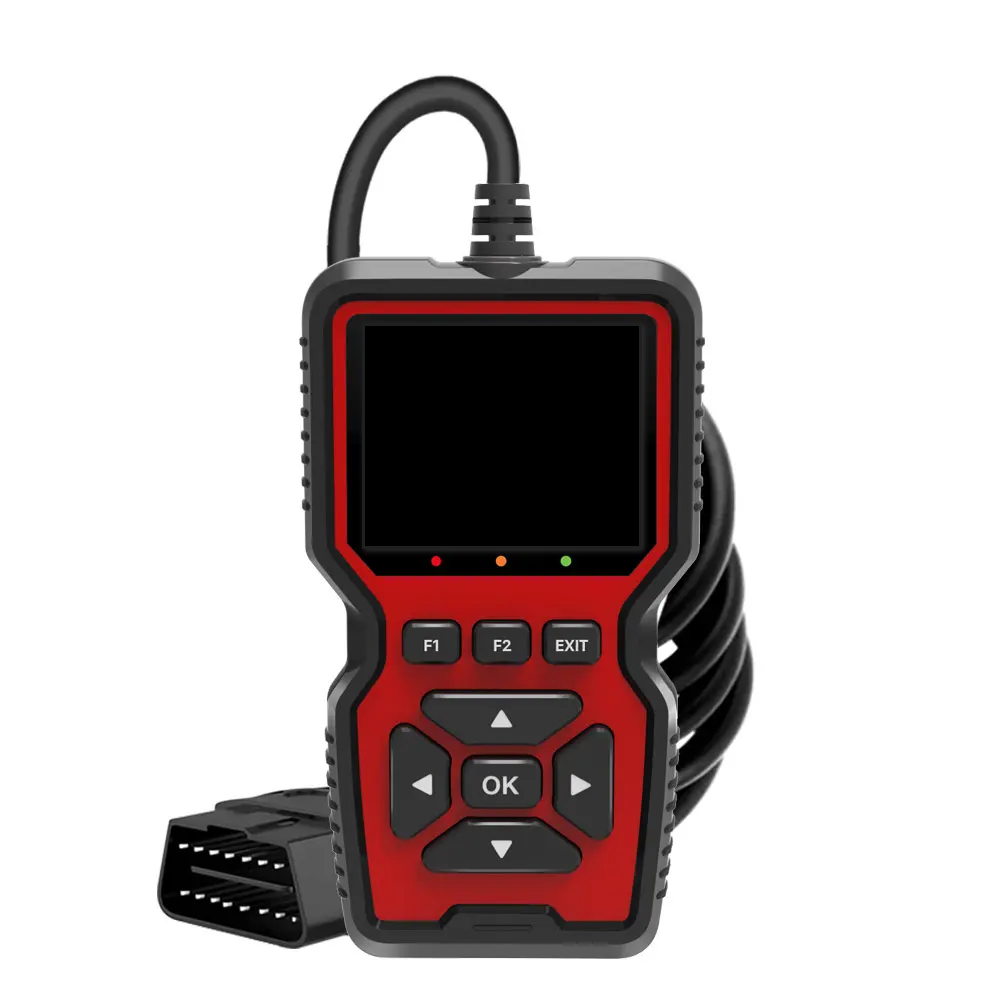
Diagnosis of B1416 requires a systematic approach using a digital multimeter (DMM), an OBD-II scan tool capable of reading BCM codes, and thorough visual inspection.
- Retrieve and Analyze DTCs and Freeze Frame Data: Use an advanced OBD-II scanner to read all stored DTCs from the BCM/IPM. Note any accompanying codes that might point to related electrical issues. Examine freeze frame data for insights into conditions present when B1416 was set (e.g., vehicle speed, engine RPM, time of occurrence), though these are less critical for window circuit issues.
- Visual Inspection of Wiring Harness: Begin by thoroughly inspecting the entire wiring harness for the Left Rear door. Pay critical attention to the flexible boot/grommet where the harness passes between the door frame and the door itself. Look for signs of chafing, pinching, cuts, or corrosion. Inspect wiring within the door panel, around the window regulator, and at the motor and switch connectors.
- Check Fuses: Locate and inspect the fuse(s) for the Left Rear power window circuit. If the fuse is blown, do not replace it immediately. A blown fuse confirms an overcurrent condition (a short), but the source must be found first. If the fuse is intact, the short may be intermittent or less severe.
- Isolate the Circuit – Disconnect Components:
- Disconnect the electrical connector from the Left Rear window motor.
- Disconnect the electrical connector from the Left Rear window switch.
- If applicable, disconnect the master window switch on the driver’s door to isolate it from the LR circuit.
This process helps narrow down whether the short is in the wiring, the motor, or the switch.
- Voltage Test for Short to Battery:
- With the ignition OFF, disconnect the negative battery terminal for safety if working with direct power wires. Reconnect for testing.
- With the ignition ON and the LR window motor and switch disconnected, use a DMM set to DC Volts.
- Probe the individual wires in the harness connectors (leading back to the BCM/IPM) that supply the LR window motor and switch. Specifically, identify the wires that are supposed to carry ground or controlled voltage from the BCM.
- A reading of approximately +12V on a wire that should be at 0V (ground) or a different control voltage confirms a short to battery within that wiring segment, or from the BCM/IPM itself. Wiggle the harness while testing to identify intermittent shorts.
- Test both power and ground wires for unintentional +12V.
- Continuity Test for Shorts to Ground (Secondary Check): While B1416 explicitly states “short to battery”, it’s good practice to also check for shorts to ground, which can cause similar symptoms or precede a short to battery. With the battery disconnected and all components isolated, use the DMM in continuity or resistance mode. Check for continuity between each wire in the harness (for the LR window) and chassis ground. There should be no continuity on power wires.
- Component Testing (Motor & Switch):
- Window Motor: With the motor disconnected from the vehicle harness, apply fused 12V directly from a known good battery to the motor’s power terminals. Reverse polarity to test both up and down operation. If the motor fails to operate, operates slowly, or draws excessive current (monitor with an amp clamp if available, typically 5-15A for a window motor), the motor is likely internally shorted or faulty.
- Window Switch: Using a wiring diagram, identify the power input and output pins on both the LR door switch and the master switch. With the switch disconnected, use the DMM in continuity mode to check for proper switching action when operated. Verify that no output pins show continuous continuity to the battery supply pin without switch activation.
- BCM/IPM Output Test (Advanced): If all external wiring, motor, and switches test good, the fault may lie within the BCM/IPM. This typically requires specialized diagnostic tools to command outputs and monitor feedback, or even oscilloscope analysis. Consult the manufacturer’s service manual for specific BCM pin-out tests.
Recommended Repairs and Solutions
Once the source of the short circuit has been precisely identified through the diagnostic steps, the following repairs and solutions can be implemented:
- Repair or Replace Damaged Wiring Harness: This is the most frequent repair for B1416. If damaged wiring is found, perform a professional splice using high-quality, heat-shrinkable butt connectors or solder and seal the connections. Ensure the repair is robust and the wiring is rerouted and secured to prevent future chafing or pinching. If the damage is extensive, consider replacing the entire door harness.
- Replace the Left Rear Window Motor Assembly: If the motor itself is confirmed to have an internal short, it must be replaced. It is often recommended to replace the motor and window regulator as a single assembly, as they are typically sold that way and ensures proper function.
- Replace the Faulty Window Switch: If either the local Left Rear door switch or the driver’s master control switch is found to be internally shorted, replace the affected switch assembly. Always use OEM or high-quality aftermarket replacements to ensure compatibility and reliability.
- Address Door Grommet/Boot Issues: If the door grommet/boot is damaged, replace it and ensure proper sealing to prevent water ingress and wire damage. Inspect the wiring inside the boot thoroughly for any hidden damage before reassembly.
- Body Control Module (BCM)/Integrated Power Module (IPM) Replacement: If all other components and wiring are definitively ruled out, and diagnostic tests point to an internal BCM/IPM fault, replacement may be necessary. This is often a complex and expensive repair, typically requiring programming or configuration after installation. Always confirm thoroughly before replacing the BCM.
- Clear DTCs and Verify Repair: After any repair, clear the B1416 code and all related DTCs using an OBD-II scanner. Operate the Left Rear power window multiple times through its full range of motion, checking for smooth operation and ensuring the code does not return. Test all other door functions to confirm no new issues were introduced.