What Does Code B1420 Mean?
DTC B1420 indicates a specific electrical fault within the passenger side power window motor circuit, signifying a “Short to Battery.” This means that the Body Control Module (BCM) or a dedicated Door Control Module (DCM) has detected an anomalous condition where a control wire or power supply line within the passenger power window circuit is continuously receiving or exhibiting full battery voltage (approximately 12V or higher when charging) at a point where it should not, particularly when the window motor is commanded off or in an unpowered state. The BCM/DCM actively monitors the voltage feedback from various points in the circuit. When it identifies persistent unregulated battery voltage on a line intended for switched power, ground, or a specific control signal, it registers this fault. This code points to an electrical integrity issue, often suggesting a direct unintended connection between a control or motor supply wire and a constant 12V power source.
Common Symptoms
- Passenger power window is inoperative (will not move up or down).
- Passenger power window is stuck in a specific position.
- Passenger power window operates erratically or intermittently.
- Vehicle battery drain, particularly if the short is consistent and allows current flow.
- Blown fuse for the power window circuit or related body electronics (though a short to battery may bypass or occur downstream of certain fuses).
- Clicking sounds from the window motor or control module.
What Causes the Code B1420?
- Damaged Wiring Harness: A chafed, cut, or pinched wire within the passenger power window circuit (e.g., in the door jamb, inside the door panel, or main harness) causing it to make unintended contact with a constant 12V power source.
- Faulty Passenger Power Window Motor: An internal short circuit within the motor assembly where the motor’s internal wiring or components have shorted directly to a positive voltage supply.
- Defective Passenger Power Window Switch: An internal short within the switch assembly, leading to it continuously supplying battery voltage to the motor control circuit even when not activated, or when activated incorrectly.
- Corrosion: Significant corrosion within electrical connectors, terminals, or wiring can create unintended conductive paths, effectively forming a short to battery.
- Faulty Body Control Module (BCM) or Door Control Module (DCM): Although less common, an internal malfunction within the control module responsible for the window operation could erroneously report or induce a short to battery condition.
- Improper Installation or Aftermarket Accessories: Incorrect wiring during repairs or the installation of aftermarket components (e.g., stereo, alarm system, window tinting) can damage existing harnesses and create shorts.
How to Diagnose and Troubleshoot
Diagnosis of B1420 requires systematic electrical testing and visual inspection:
- Visual Inspection:
- Begin with a thorough visual inspection of the wiring harness for the passenger power window system. Pay close attention to the harness section that passes through the door jamb (between the vehicle body and the door), inside the door panel, and around the window motor and switch. Look for any signs of chafing, pinching, cuts, melted insulation, or corrosion.
- Inspect all electrical connectors related to the passenger power window motor, switch, and associated control modules (BCM/DCM) for bent pins, corrosion, or loose connections.
- Check Fuses:
- Locate and inspect all fuses related to the passenger power window circuit and the overall body electrical system. A blown fuse might indicate a severe short, but a “short to battery” often implies a connection to constant power that may bypass or occur downstream of existing fuses. Replace any blown fuses, but be aware they may blow again if the underlying short is not resolved.
- Scan Tool Data Analysis:
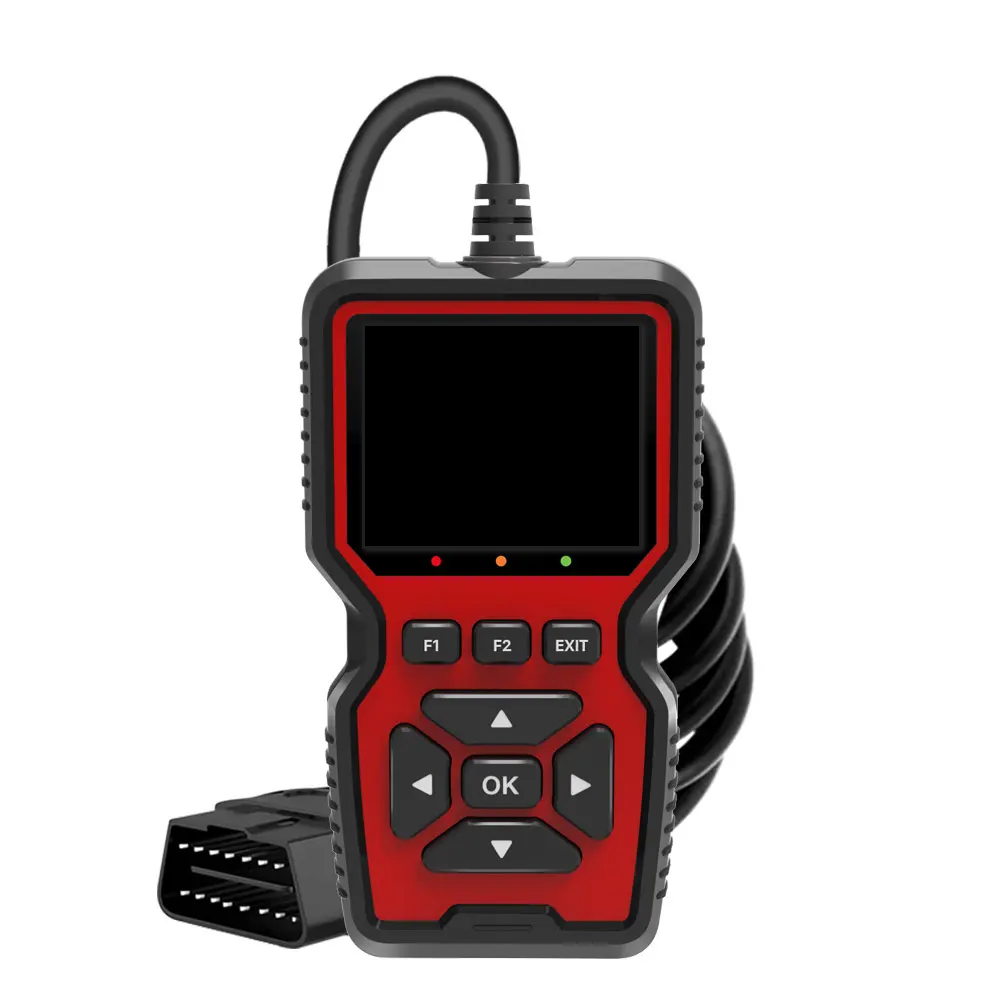
- Connect an advanced OBD-II scanner capable of accessing body control module data. Monitor live data parameters related to the passenger power window system, including switch inputs, motor outputs, and any relevant voltage readings. Look for any discrepancies between commanded states (e.g., window switch neutral) and actual voltage readings that indicate a persistent high voltage on a circuit that should be at ground or open. Check for additional BCM/DCM diagnostic trouble codes.
- Digital Multimeter (DMM) Testing:
- Isolate the Circuit: Disconnect the negative battery terminal. Then, disconnect the electrical connectors from the passenger power window motor and the passenger power window switch.
- Check for Short to Battery in Wiring: Reconnect the battery. With the DMM set to DC Volts, carefully probe the pins of the harness connector leading to the passenger power window motor and the passenger power window switch. Identify the wires that are designated for switched power or control signals according to the vehicle’s wiring diagram. You are looking for a continuous 12V reading on a wire that should be at 0V (ground) or a switched voltage, especially when the window switch is in the neutral position.
- Check Wiring Continuity/Resistance to B+: Disconnect the battery again. With the suspect circuit isolated (motor and switch disconnected), set the DMM to resistance (Ohms) mode. Isolate the suspected wire (e.g., a motor control wire). Then, check the resistance between this wire and a known constant B+ source (e.g., a disconnected main battery cable or another known constant 12V wire that is part of the vehicle’s harness). A very low resistance reading (close to 0 Ohms) on a wire that should not have constant power indicates a direct short to battery.
- Test the Window Switch: With the switch disconnected, use the DMM in continuity or resistance mode. Consult the wiring diagram for the switch’s internal contacts. Ensure that when the switch is in the neutral position, no output pin is shorted to an input power pin. Actuate the switch in both the “up” and “down” directions and verify it correctly switches power without any internal shorts to a constant 12V line when it shouldn’t.
- Test the Window Motor: While B1420 points to the supply circuit, an internal motor short can sometimes feed back. With the motor disconnected, inspect the motor’s connector pins. You can cautiously apply fused battery voltage directly to the motor leads (briefly) to confirm motor operation (up/down), but this specific test won’t confirm a “short to battery” in the control circuit. If the motor is suspect after ruling out wiring and switch, an internal short within the motor could still be the cause.
Recommended Repairs and Solutions
Once the root cause of the B1420 code is identified through comprehensive diagnosis, the following repairs and solutions are typically recommended:
- Repair or Replace Damaged Wiring: If the visual inspection or DMM testing reveals a damaged wire causing the short to battery, the wire must be professionally repaired. This involves using appropriate automotive-grade connectors, heat shrink tubing, and solder to ensure a durable and insulated connection, or replacing the entire affected section of the wiring harness. Ensure the repaired wires are properly routed and secured to prevent future damage.
- Replace Faulty Passenger Power Window Switch: If DMM testing confirms an internal short within the passenger power window switch assembly, replace the switch with a new OEM or high-quality aftermarket unit.
- Replace Faulty Passenger Power Window Motor: If testing (and ruling out wiring and switch issues) points to an internal fault within the motor assembly itself, replacement of the motor (often integrated with the window regulator) is necessary.
- Clean Corroded Connections: If corrosion is discovered at any electrical connector or terminal, thoroughly clean the affected components using electrical contact cleaner and an appropriate wire brush or terminal pick. Apply dielectric grease to the terminals before reassembly to prevent future corrosion.
- Address BCM/DCM Faults: If all other components (wiring, motor, switch) test good and diagnostic data consistently points to an internal module fault, the BCM or Door Control Module (DCM) may need further diagnosis, reprogramming, or replacement by a qualified technician. This is generally considered a last resort after thoroughly eliminating all other potential causes.
- Post-Repair Verification: After any repair, clear the DTCs using an OBD-II scanner. Operate the passenger power window repeatedly through its full range of motion (up and down) to verify proper function and ensure the B1420 code does not return. Monitor live data during operation for any anomalies.
Mechanics’ Tips:
- Always disconnect the battery negative terminal before performing any electrical repairs to prevent accidental shorts, component damage, or triggering airbags.
- When diagnosing intermittent shorts, gently wiggling the wiring harness while monitoring voltage with a DMM can sometimes reveal the exact location of the fault.
- Refer to the vehicle’s specific factory service manual wiring diagrams. These diagrams are indispensable for identifying correct wire colors, pin locations, expected voltage values, and ground points.
- Consider any recent work performed on the vehicle, as new electrical issues can often be linked to recent modifications or repairs if not executed properly.
- Be aware that some modern vehicles utilize “smart” window motors that incorporate an internal control module. A fault within this integrated module could also register as a B1420.