What Does Code B1421 Mean?
DTC B1421 indicates a specific electrical fault within the passenger side front power window motor circuit, signifying a “short to ground.” This diagnostic trouble code is typically registered by the vehicle’s Body Control Module (BCM), Integrated Power Distribution Module (IPDM), or a similar body-related control unit, rather than the Powertrain Control Module (PCM). The control module continuously monitors the electrical characteristics of the window motor circuit, including current draw and voltage levels. When a B1421 code is set, it means the module has detected an unintended low-resistance path between the positive voltage supply line to the passenger window motor and a chassis ground or another grounded conductor. This short circuit causes an abnormally high current draw, which can overload the circuit, potentially blowing the associated fuse, activating an internal protection circuit within the control module to disable the window motor, or, in severe cases, damaging the module’s driver circuitry. The immediate consequence is usually the loss of functionality for the passenger front power window.
Common Symptoms
- The passenger side front power window is completely inoperative.
- The passenger side front power window operates intermittently or very slowly.
- The fuse for the passenger power window circuit repeatedly blows immediately upon replacement or when the window switch is activated.
- An audible clicking sound may be heard from the fuse box or the BCM/IPDM when the window switch is pressed, indicating the module’s attempt to engage the circuit before detecting the fault.
- A distinct burning odor may emanate from the passenger door panel or fuse box area, indicating excessive heat from a persistent short circuit.
What Causes the Code B1421?
- Damaged Wiring Harness: The most common cause is frayed, pinched, or abraded wiring within the passenger door wiring harness, especially where it passes through the door jamb accordion boot, leading to direct contact with the metal door frame or chassis ground.
- Faulty Passenger Window Motor: An internal short circuit within the window motor itself, where the motor windings or commutator assembly makes unintended contact with the motor casing or another grounded component.
- Defective Passenger Window Switch: An internal short within the passenger power window switch assembly, where the internal contacts or wiring inadvertently create a short to ground when activated or even when idle.
- Corroded Electrical Connections: Excessive moisture ingress or prolonged exposure to humidity can lead to corrosion within the wiring connectors, the window motor, or the switch, creating conductive pathways to ground.
- Improper Aftermarket Accessory Installation: Incorrectly installed aftermarket components (e.g., audio equipment, lighting) that have tapped into the window motor circuit can introduce a short to ground.
How to Diagnose and Troubleshoot
Diagnosis of B1421 requires systematic electrical testing and visual inspection:
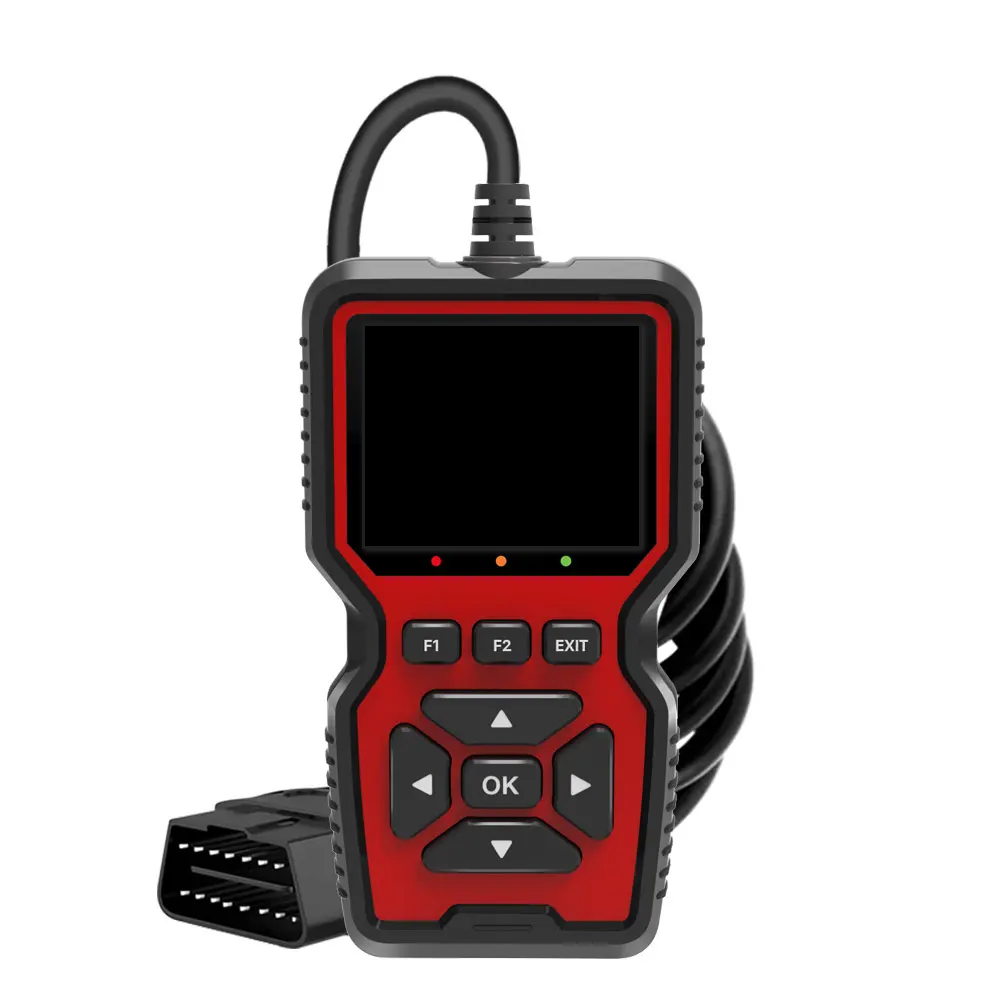
- Initial Scan and Visual Inspection: Use an advanced OBD-II scanner capable of communicating with the BCM/IPDM to confirm the presence of B1421 and check for any related or accompanying codes. Begin by visually inspecting the entire passenger door wiring harness. Pay particular attention to the wiring loom where it enters the door from the body through the rubber boot. Look for visible signs of pinching, chafing, cuts, or corrosion.
- Fuse Inspection: Locate and inspect the fuse(s) designated for the passenger power window circuit, typically found in the under-dash fuse box or the main under-hood fuse box. If the fuse is blown, replacement is only a temporary measure; the underlying short must be identified and rectified. Do NOT install a higher-amperage fuse, as this can lead to severe wiring damage or fire.
- Isolate the Motor: Disconnect the electrical connector from the passenger power window motor. Using a Digital Multimeter (DMM) set to resistance (ohms), measure the resistance between the motor’s power input terminal (or either the ‘up’ or ‘down’ signal wire, depending on the switch position) and a known good chassis ground. If a low resistance reading (near 0 ohms) is obtained with the motor disconnected, the short is likely in the wiring harness between the motor connector and the window switch/BCM.
- Test the Window Motor: With the motor connector still disconnected, apply fused battery voltage (12V) and ground directly to the motor’s power and ground terminals (often reversing polarity to test both ‘up’ and ‘down’ directions). If the motor does not operate or operates weakly, or if sparks or excessive current draw are noted (monitor with an amp clamp if available), the motor itself is internally shorted. Measure resistance across the motor’s internal windings (between the two main power terminals) and also from each terminal to the motor’s metal casing; any low resistance to the casing indicates an internal short to ground.
- Test the Window Switch: If the motor tests good and the short remains when the motor is disconnected, the next step is to isolate the switch. Disconnect the electrical connector from the passenger power window switch. Re-perform the resistance test from the window motor connector’s power wire to chassis ground. If the short circuit is no longer present after disconnecting the switch, the fault lies within the window switch assembly. You can further test the switch by checking for continuity between its input and output terminals as you press it in different directions; ensure no unintended continuity to ground.
- Wiring Integrity Check: If the short persists after disconnecting both the motor and the switch, the fault is definitively within the wiring harness itself, likely between the BCM/IPDM and the passenger door components. Carefully trace the entire harness, paying close attention to any areas of stress, vibration, or previous repairs. A “wiggle test” on sections of the harness while monitoring resistance or current flow with a DMM can help identify intermittent shorts.
Recommended Repairs and Solutions
Once the source of the short circuit has been accurately identified, the following repairs are typically recommended:
- Repair or Replace Damaged Wiring: If damaged wiring is located, it must be properly repaired. Cut out the damaged section and splice in a new segment of automotive-grade wire of the correct gauge, using solder and heat-shrink tubing for durable, weather-sealed connections. Ensure that the repaired wiring is rerouted and secured to prevent future chafing or pinching. If the damage is extensive, consider replacing the entire door harness.
- Replace Faulty Passenger Window Motor: If the window motor is diagnosed with an internal short, it must be replaced. Source an OEM-quality replacement motor to ensure proper fitment and long-term reliability. Ensure the new motor is correctly installed into the window regulator assembly and lubricate any moving parts as specified by the manufacturer.
- Replace Defective Passenger Window Switch: If the window switch is found to be internally shorted, replace the complete switch assembly. Verify that the new switch functions correctly in all directions immediately after installation.
- Clean Corroded Connections: For corrosion-related shorts, thoroughly clean all affected electrical connectors and terminals using specialized electrical contact cleaner and a non-abrasive brush. Apply a small amount of dielectric grease to the pins and seals of the connectors to prevent future moisture intrusion and corrosion.
- Review Aftermarket Installations: If aftermarket accessories are implicated, temporarily disconnect them. If the B1421 code clears and the window functions normally, the aftermarket wiring is the source of the issue. The accessory should be professionally re-wired or removed.
- Post-Repair Verification: After any repair, clear the B1421 code using an OBD-II scanner. Operate the passenger power window through its full range of motion multiple times to confirm proper functionality and ensure the code does not reappear. Verify smooth, consistent operation in both the ‘up’ and ‘down’ directions.